

Food prices are climbing again—and this time several risks are arriving at once.
War is disrupting important grain and edible-oil supply routes. Energy costs remain vulnerable to geopolitical tensions. El Niño is threatening agricultural production in several regions. Fertilizer markets remain exposed to energy shocks.
For households already struggling with the cost of living, the question is becoming increasingly important:
Is the world heading toward another food-price crisis?
The answer is not yet a clear yes. Global food supplies remain stronger than during the historic shock of 2022. But warning signs are becoming increasingly difficult to ignore.
Global Food Prices Are Rising Again
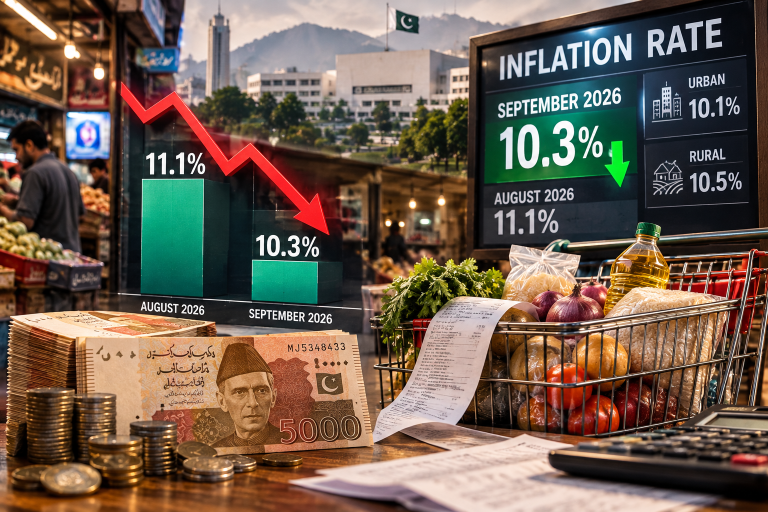
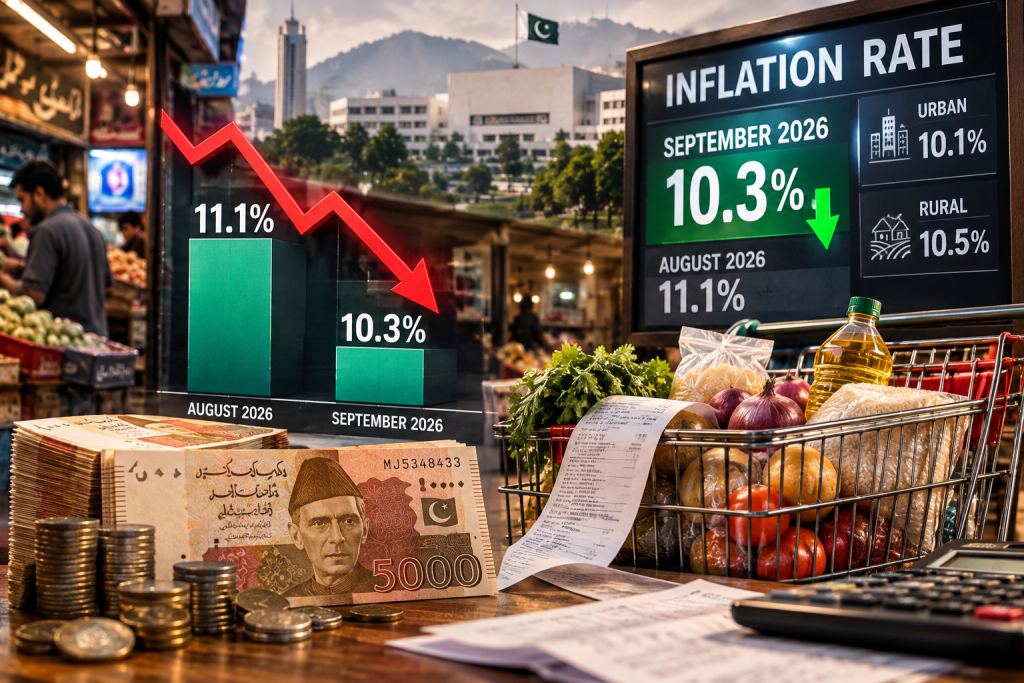
The UN Food and Agriculture Organization’s Food Price Index averaged 131.1 points in July 2026, rising 0.6% from June.
The increase pushed global food commodity prices to their highest level in more than three years.
Cereals were a major driver.
The FAO cereal price index increased 3.4% in a single month, while international wheat prices jumped 5.8%.
The numbers remain below the extraordinary peak reached after Russia’s invasion of Ukraine in 2022, but the direction of travel is becoming concerning.
Wheat Is Emerging as a Major Risk
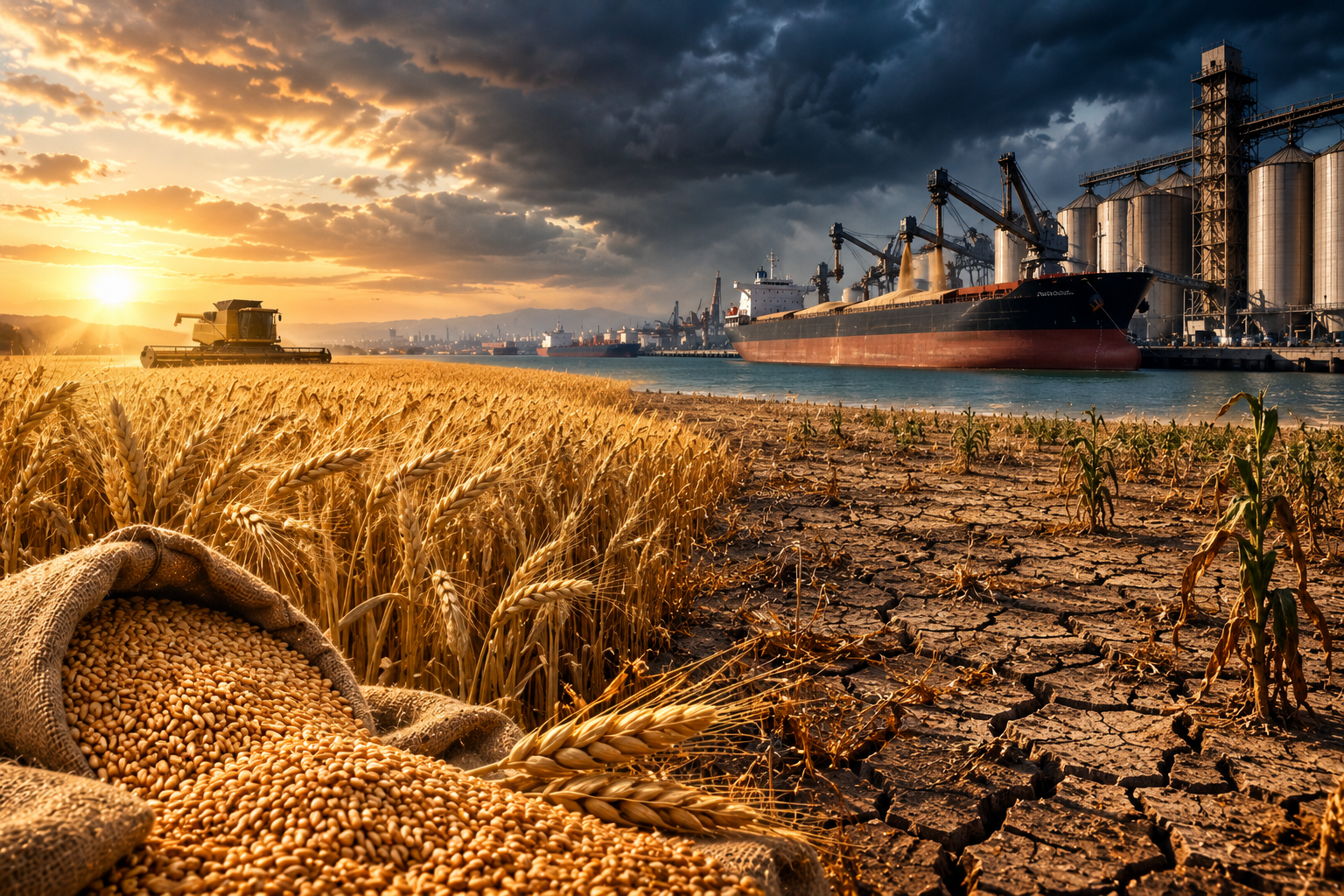
Wheat deserves particular attention because it is one of the world’s most politically sensitive commodities.
Bread is a staple food across large parts of Asia, the Middle East and Africa.
Russia and Ukraine are also enormously important exporters.
Escalating attacks around Black Sea grain infrastructure are now disrupting shipments during an important export period.
International wheat buyers are already responding.
Chicago wheat futures had risen more than 17% since early July by August 20 as traders reacted to growing concerns over Black Sea supplies.
Some importers are looking toward Australia, Argentina and North America for replacement supplies—but alternatives can be considerably more expensive.
That creates a dangerous chain reaction.
When wheat becomes more expensive internationally, countries dependent on imports face higher costs. Governments may then have to spend more on subsidies, while bakeries and food manufacturers face pressure to increase prices.
Cooking Oil Is Another Vulnerability
Edible oils represent another pressure point.
Russia and Ukraine are major suppliers of sunflower oil, and disruption to Black Sea exports is forcing buyers to search for alternatives.
India, one of the world’s largest vegetable-oil importers, is expected to import record quantities of soyoil in August as sunflower-oil shipments are disrupted.
This matters well beyond India.
Palm, soybean, sunflower and rapeseed oils compete within the same global market. A major disruption to one can increase demand—and potentially prices—for the others.
Cooking oil is also used extensively in packaged foods, restaurants and industrial food production.
Higher edible-oil prices can therefore spread across the food system.
Energy Prices Can Become Food Prices
One of the biggest misconceptions about food inflation is that it begins only on farms.
Modern agriculture is heavily dependent on energy.
Farm machinery requires fuel.
Irrigation systems require electricity or diesel.
Food has to be processed, refrigerated, packaged and transported.
And natural gas is a critical input in the production of many fertilizers.
This is why instability around the Middle East and Strait of Hormuz matters for global food security even when no wheat field is directly affected.
FAO officials have warned that energy disruption can affect virtually every stage of agricultural production.
Higher energy costs can eventually become higher food costs.
El Niño Adds Another Layer of Uncertainty
Weather is the next major variable.
El Niño can alter rainfall and temperature patterns across some of the world’s most important agricultural regions.
Drought can damage sugar, rice, wheat and oilseed production, while excessive rainfall can destroy crops elsewhere.
The good news is that the global agricultural system currently has stronger inventories and productive capacity than during some previous crises.
That provides an important buffer.
But simultaneous weather shocks across several major producers could quickly change the picture.
A food crisis rarely begins because one farm has a bad harvest.
The danger comes when several shocks occur at roughly the same time.
Why 2026 Is Different From 2022
There is an important reason not to panic.
The world entered the 2022 food crisis under unusually difficult circumstances.
The pandemic had already disrupted supply chains. Energy prices were surging. Russia’s invasion of Ukraine then disrupted exports from two major agricultural producers.
Food prices reached record levels.
Today’s situation is different.
Global inventories of several agricultural commodities are comparatively healthier, and producers have spent years responding to high prices by increasing productivity and diversifying supply.
Even after recent increases, the FAO Food Price Index remained substantially below its March 2022 record earlier this year.
This means another 2022-style crisis is not inevitable.
But stronger inventories are a buffer, not immunity.
Export Restrictions Could Make Everything Worse
One of the biggest dangers during periods of food inflation comes from governments themselves.
When domestic food prices rise, governments sometimes restrict exports to protect local consumers.
The logic is understandable.
But when several exporting countries do this simultaneously, less food becomes available on international markets.
Prices can then rise even faster.
Import-dependent countries suffer most.
This happened during previous global food-price shocks and remains one of the risks policymakers will need to manage carefully if markets tighten further.
Why Pakistan Should Pay Attention
Pakistan is both an agricultural country and an importer of important food and agricultural inputs.
That creates an unusual combination of strengths and vulnerabilities.
Pakistan produces large quantities of wheat, rice, sugarcane and other crops.
But domestic food prices can still be affected by international edible-oil markets, fertilizer prices, fuel costs, currency movements and transportation expenses.
A global food shock therefore does not have to create an actual shortage in Pakistan to hurt consumers.
Higher international commodity prices can raise import costs.
Higher fuel prices increase transportation expenses.
Expensive fertilizer raises farmers’ production costs.
And a weaker rupee can make imported commodities even more expensive.
All of those pressures can eventually reach supermarket shelves and neighbourhood markets.
Food Inflation Is Ultimately a Household Crisis
Global commodity markets can seem distant from ordinary life.
They are not.
A change in wheat prices in Chicago, a damaged port in the Black Sea, drought in an agricultural region or an oil shock in the Middle East can eventually influence the cost of bread, cooking oil and other everyday products thousands of kilometres away.
For wealthier households, those increases may mean spending slightly more.
For poorer families, the consequences can be much more serious because food consumes a larger share of household income.
That is what makes food inflation particularly dangerous.
So, Is Another Food Crisis Coming?
Not necessarily.
The global food system currently has important strengths that were absent during previous crises, including healthier inventories for several commodities and diversified production.
But the warning lights are flashing.
Wheat prices are rising.
Black Sea shipping is under pressure.
Edible-oil markets are adjusting to supply disruptions.
Energy remains vulnerable to geopolitical conflict.
And El Niño adds another unpredictable variable.
Any one of those challenges may be manageable.
The danger comes if several worsen simultaneously.
The world may not yet be experiencing another full-scale food crisis.
But in 2026, it is once again being reminded just how quickly war, weather, energy and agriculture can combine to turn a commodity problem into a kitchen-table crisis.