

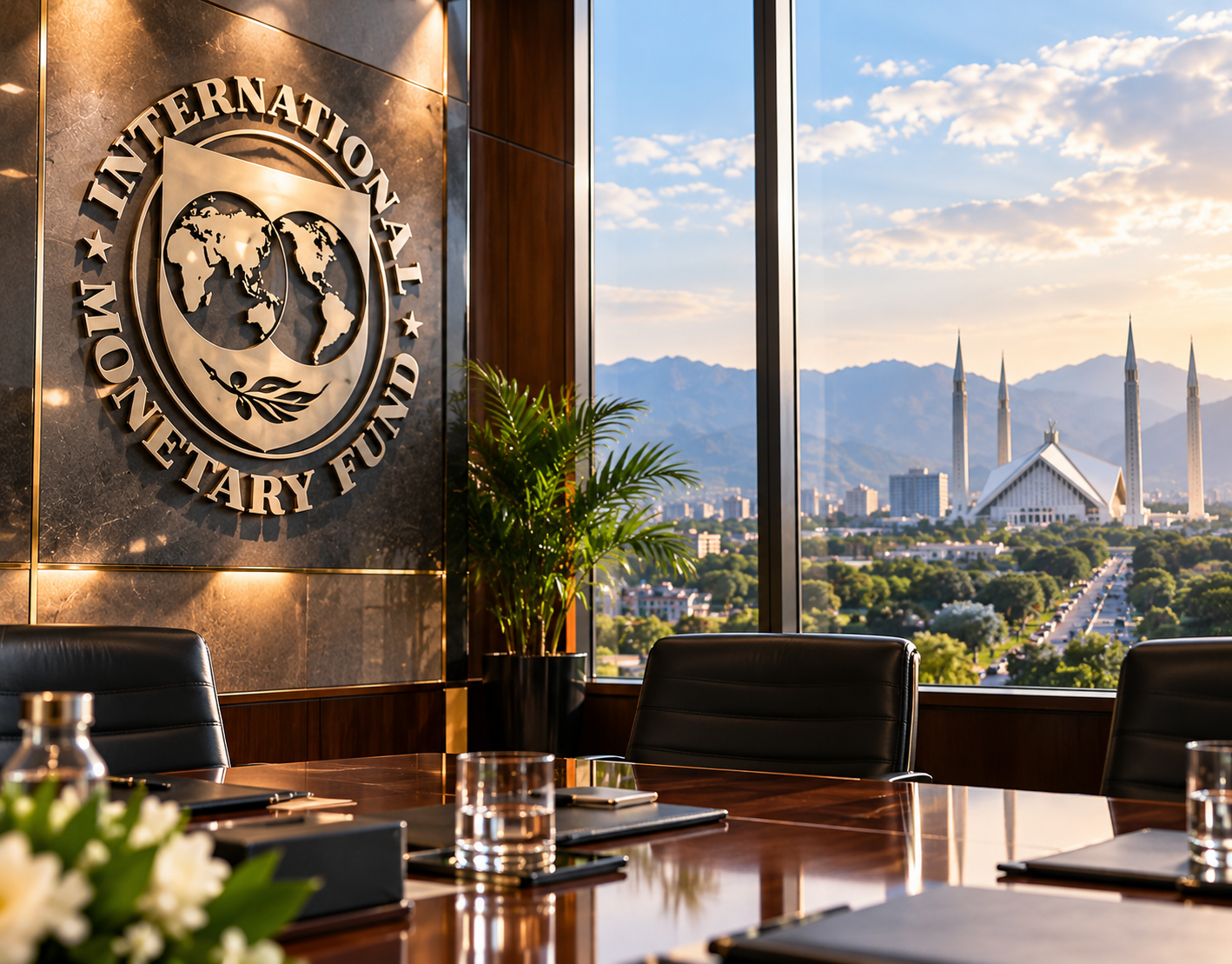
Pakistan has reached a major agreement with the International Monetary Fund (IMF), potentially unlocking $1.21 billion in fresh financial support. But will this deal bring relief to ordinary Pakistanis?
Pakistan Secures $1.21 Billion IMF Staff-Level Agreement
Pakistan and the IMF reached a staff-level agreement on October 7, 2026, following economic review talks in Islamabad and Karachi.
The proposed funding includes $1 billion under the Extended Fund Facility (EFF) and $210 million under the Resilience and Sustainability Facility (RSF), which supports climate-related reforms.
However, the money has not been released yet. The agreement still requires approval from the IMF Executive Board.
How Will the IMF Deal Help Pakistan’s Economy?
The expected $1.21 billion could strengthen Pakistan’s foreign exchange reserves and help the government manage external payments.
Stronger reserves may improve investor confidence and reduce pressure on the Pakistani rupee.
The agreement could also support Pakistan’s financial credibility, making it easier to maintain confidence among international lenders and investors.
However, the IMF funding does not guarantee an immediate improvement in the dollar rate or stock market.
Will Petrol Prices, Electricity Bills and Inflation Increase?
For ordinary Pakistanis, the biggest concern is simple: Will life become more affordable?
The IMF has called for continued tax reforms, stronger revenue collection and timely energy tariff adjustments.
These measures could create financial pressure on households if electricity, gas or other essential costs increase.
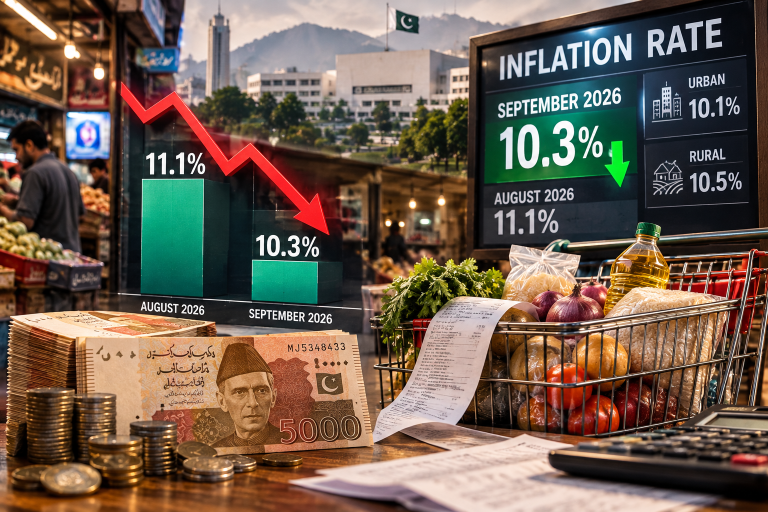
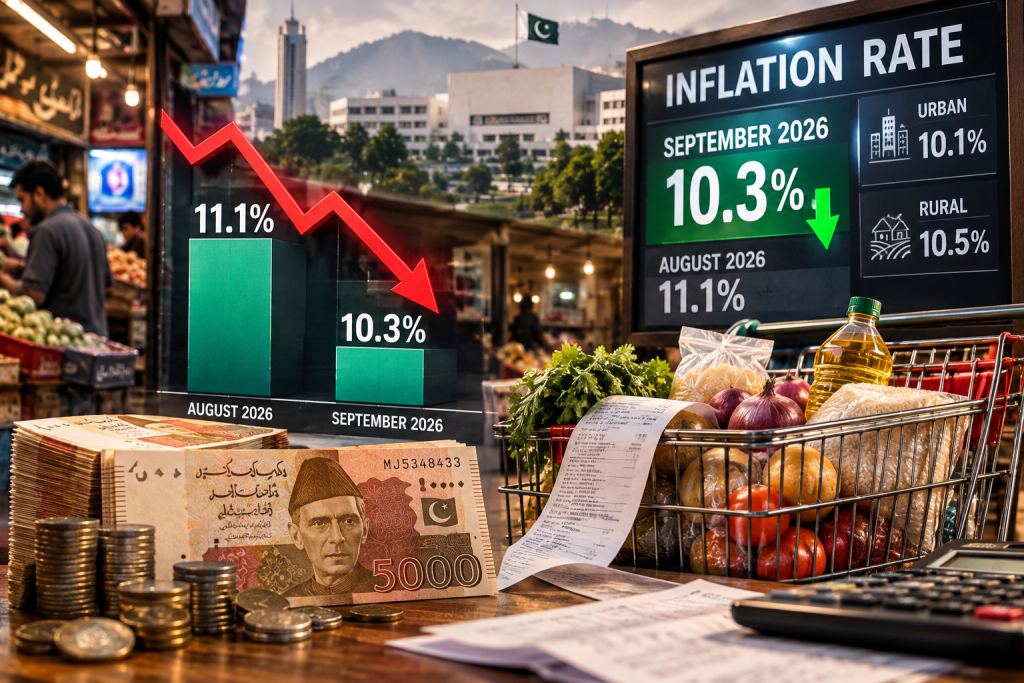
Pakistan’s inflation reached approximately 10.3% in September 2026, meaning many families are already struggling with grocery bills, transport expenses and household budgets.
The agreement itself does not announce an immediate increase in petrol prices or electricity tariffs. Future changes will depend on government decisions, global energy prices and economic conditions.
What Conditions Has the IMF Set for Pakistan?
The IMF wants Pakistan to continue important economic reforms, including:
- Improving tax collection and expanding the tax base.
- Controlling government spending and public debt.
- Reducing losses in the electricity and gas sectors.
- Improving transparency and governance.
- Supporting climate resilience and long-term economic growth.
These reforms aim to make Pakistan’s economy stronger and less dependent on repeated international loans.
What Does This Mean for Ordinary Pakistanis?
The real success of the Pakistan IMF deal will not be measured by the amount of money received.
It will be measured by whether businesses grow, employment opportunities improve, inflation slows and families experience meaningful financial relief.
The IMF agreement may provide breathing space for Pakistan’s economy, but lasting improvement will require stronger exports, investment, job creation and responsible economic policies.
What Happens Next?
Pakistan must now wait for the IMF Executive Board’s approval before receiving the proposed $1.21 billion.
The big question remains: Will this IMF deal finally improve life for ordinary Pakistanis, or will financial pressure continue?