

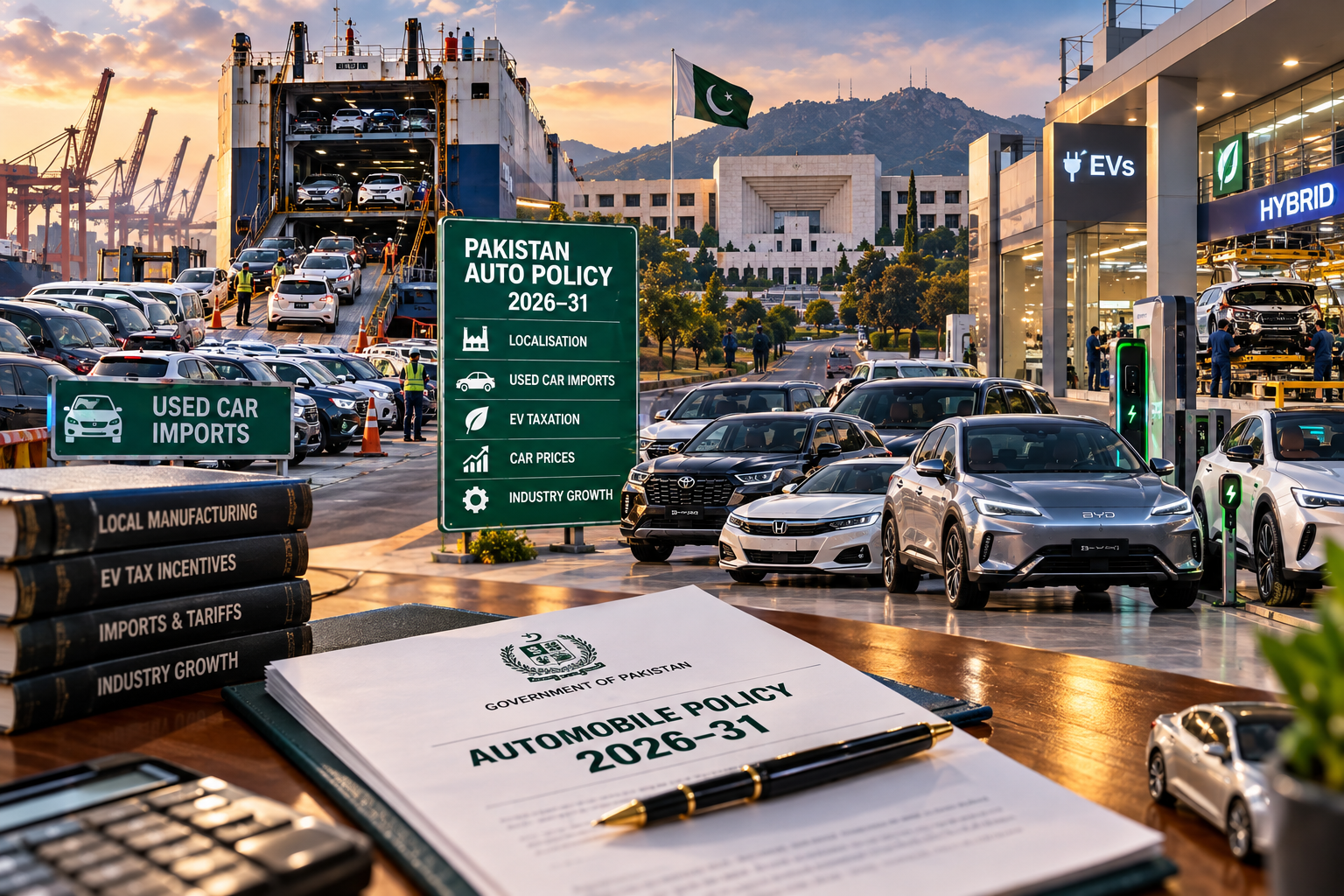
Pakistan’s automobile market is entering an important transition. The government is preparing a new long-term auto policy while major changes are already taking place in vehicle imports, tariffs, localisation and electric mobility.
For car buyers, the biggest question is simple: will cars become cheaper?
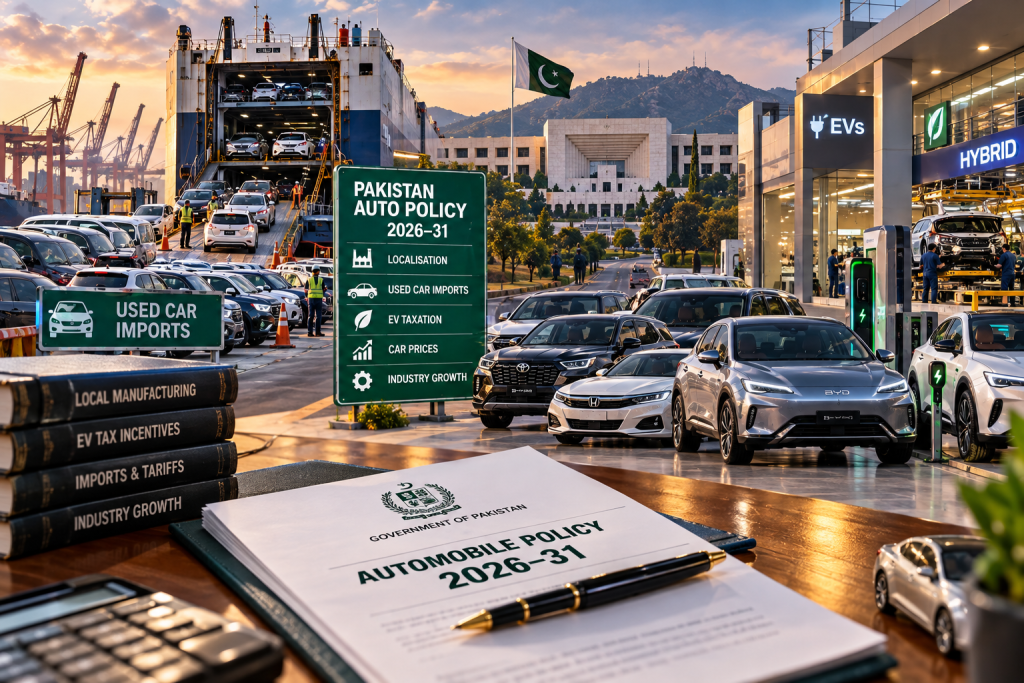
The answer is not as simple as a yes or no. The emerging Pakistan auto policy 2026 framework is expected to encourage stronger competition and local manufacturing, while separate reforms are opening the market further to imported used vehicles and new-energy cars.
Here is what buyers need to understand.
Is Pakistan Auto Policy 2026–31 Already in Place?
Not yet.
Pakistan’s previous Auto Industry Development and Export Policy (AIDEP) 2021–26 reached the end of its policy period in 2026. The Ministry of Industries and Production said on September 18 that a new Auto Policy would be unveiled shortly.
The government has been consulting automakers, parts manufacturers, dealers and other stakeholders on localisation, exports, tariffs and used-car imports.
So, while people may refer to it as the Pakistan auto policy 2026, its final provisions should only be treated as confirmed once the government formally announces the new framework.
Used Car Imports Are Becoming More Competitive
One of the biggest changes has already happened in the used car import Pakistan market.
The government opened commercial imports of used vehicles, initially allowing vehicles up to five years old. A 40% regulatory duty was imposed on these commercial imports in addition to existing duties and taxes.
More importantly, the government approved a gradual reduction in this additional regulatory duty by 10 percentage points each year, with the rate planned to reach zero by 2029–30.
The policy direction is clear: Pakistan is gradually moving towards greater competition between imported vehicles and locally produced cars.
However, imported used vehicles still have to meet prescribed safety and environmental standards.
What Could This Mean for Car Prices?
For consumers following car prices Pakistan 2026, greater competition could eventually put pressure on manufacturers to offer better prices, features and quality.
But this does not mean car prices will suddenly fall.
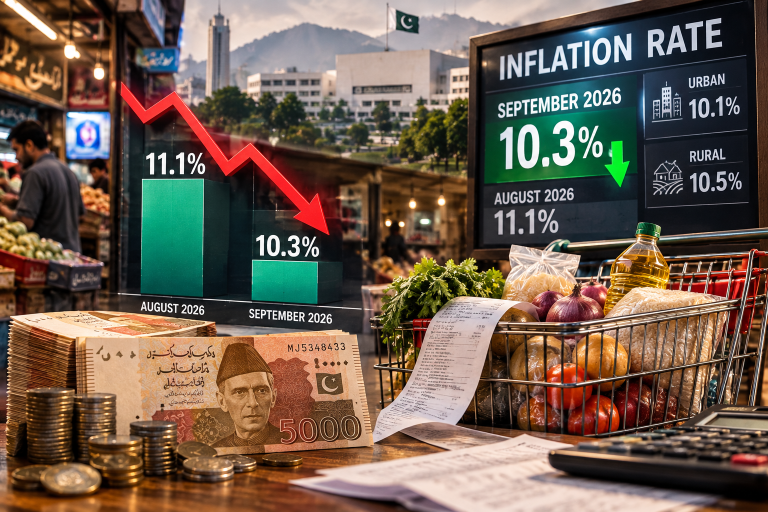
Vehicle prices in Pakistan depend on several factors, including the rupee-dollar exchange rate, taxes, customs duties, freight costs, interest rates and the level of locally produced parts.
Imported cars may become more competitive as tariffs are rationalised, but currency depreciation or changes in taxation can easily offset some of those benefits.
The bigger impact may therefore come through competition and choice, rather than an immediate dramatic price cut.
Localisation Will Remain a Major Focus
Local manufacturing is another important part of the government’s direction.
Pakistan has spent years trying to increase the number of vehicle components manufactured locally instead of importing complete parts.
The government has asked the automobile industry for proposals covering localisation, vendor development, tariff rationalisation, research and development and exports.
This matters because genuine localisation can reduce dependence on imported components and foreign currency.
It can also create opportunities for Pakistan’s auto-parts manufacturers to become suppliers not only for the domestic market but eventually for export markets.
EVs Are Getting Their Own Big Push
Pakistan’s shift towards electric mobility is already being governed by the New Energy Vehicles Policy 2025–30.
The policy targets a 30% share of new vehicle sales for new-energy vehicles by 2030 and encourages local production, technology transfer and charging infrastructure.
The government’s broader target covers more than 2.2 million new-energy vehicles through 2030, with the vast majority expected to be two- and three-wheelers, alongside cars, buses and commercial vehicles.
This means discussions around EV tax Pakistan are becoming increasingly important for both buyers and manufacturers.
Tax incentives, customs treatment, local assembly policies and charging infrastructure can determine whether EVs become genuinely affordable for mainstream Pakistani consumers or remain concentrated in higher-priced segments.
EVs, Hybrids and Local Assembly Could Reshape the Market
Pakistan is no longer dealing with only petrol and diesel cars.
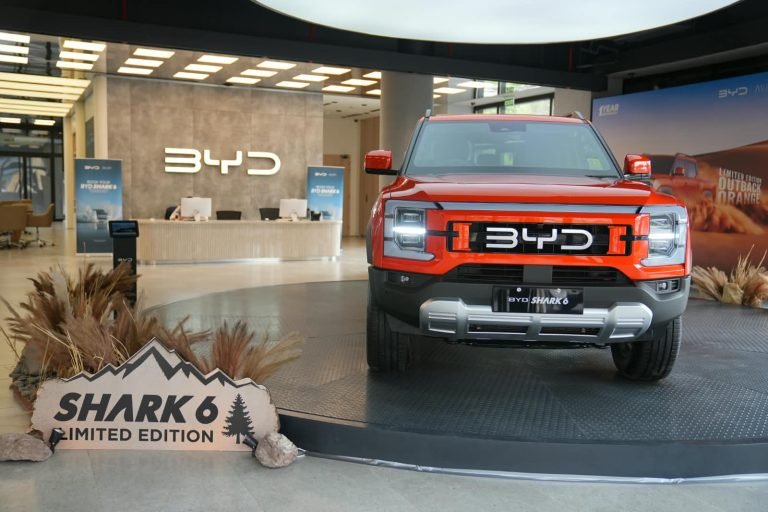
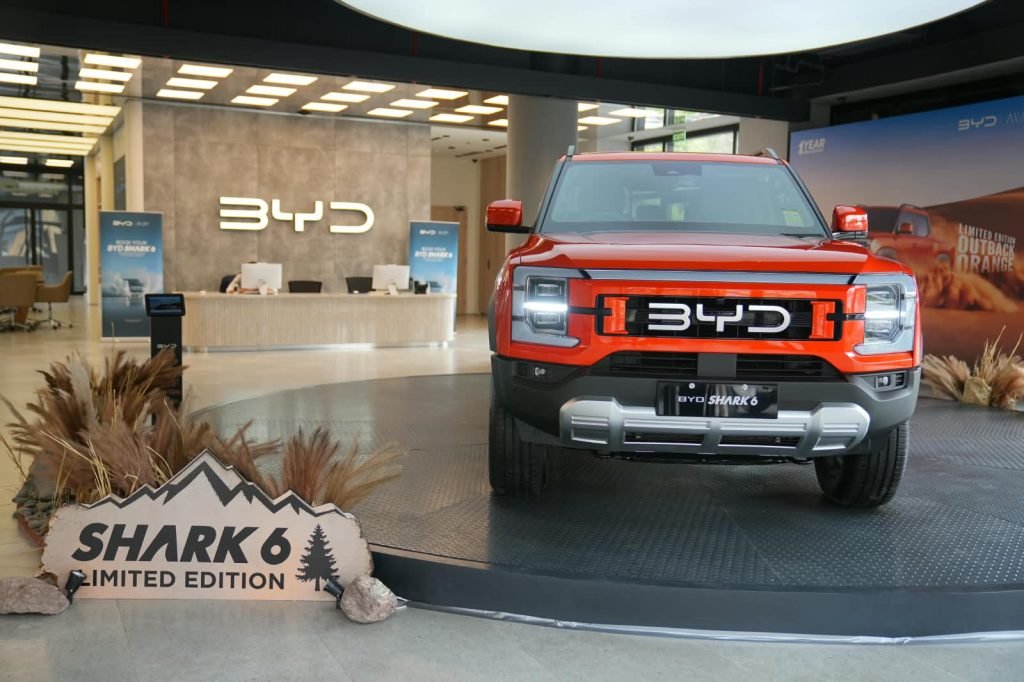
The market now includes battery EVs, hybrids, plug-in hybrids and other new-energy technologies. Several international brands are entering or expanding in Pakistan, while local assembly of electrified vehicles is also increasing.
This creates a new challenge for policymakers.
If taxes on imported EV components remain reasonable and manufacturers are encouraged to assemble vehicles locally, electric and hybrid vehicles could become more competitive.
At the same time, the government needs to balance consumer affordability with the development of Pakistan’s own automotive and parts industry.
What Happens to Traditional Local Automakers?
Greater competition may be uncomfortable for existing manufacturers, but that appears to be part of the government’s strategy.
Government officials have publicly argued that open competition can push local manufacturers towards greater efficiency, lower-cost manufacturing and exports.
Local manufacturers, meanwhile, have raised concerns that liberal used-car imports could hurt domestic production and the local vendor industry.
Both arguments matter.
Consumers want affordable cars with better specifications, while Pakistan also needs local manufacturing, employment and investment.
The success of the next auto policy will depend heavily on how well it balances these two priorities.
What Should Car Buyers Watch Now?
Anyone planning to buy a vehicle should closely follow three areas: changes in duties on imported vehicles, incentives for locally assembled hybrids and EVs, and the final rules announced under the next automobile policy.
For people considering imported vehicles, developments in used car import Pakistan rules will be particularly important.
EV buyers should watch changes related to EV tax Pakistan, charging infrastructure, battery warranties and local assembly.
And anyone monitoring car prices Pakistan 2026 should remember that policy changes are only one part of the equation. Exchange rates, taxes and manufacturing costs will continue to influence showroom prices.
The Bigger Picture
Pakistan’s automobile industry appears to be moving towards a more competitive and technology-focused market.
The next policy framework is expected to place greater emphasis on localisation, exports, competition and modern vehicle technology. At the same time, used-car import liberalisation and the existing NEV Policy are changing what Pakistani buyers can choose from.
For consumers, this could eventually mean more brands, more technology and stronger competition.
But the real test of the Pakistan auto policy 2026 will be whether these reforms translate into affordable vehicles, better quality, stronger local manufacturing and a sustainable auto industry — rather than simply increasing the number of cars available in the market.