


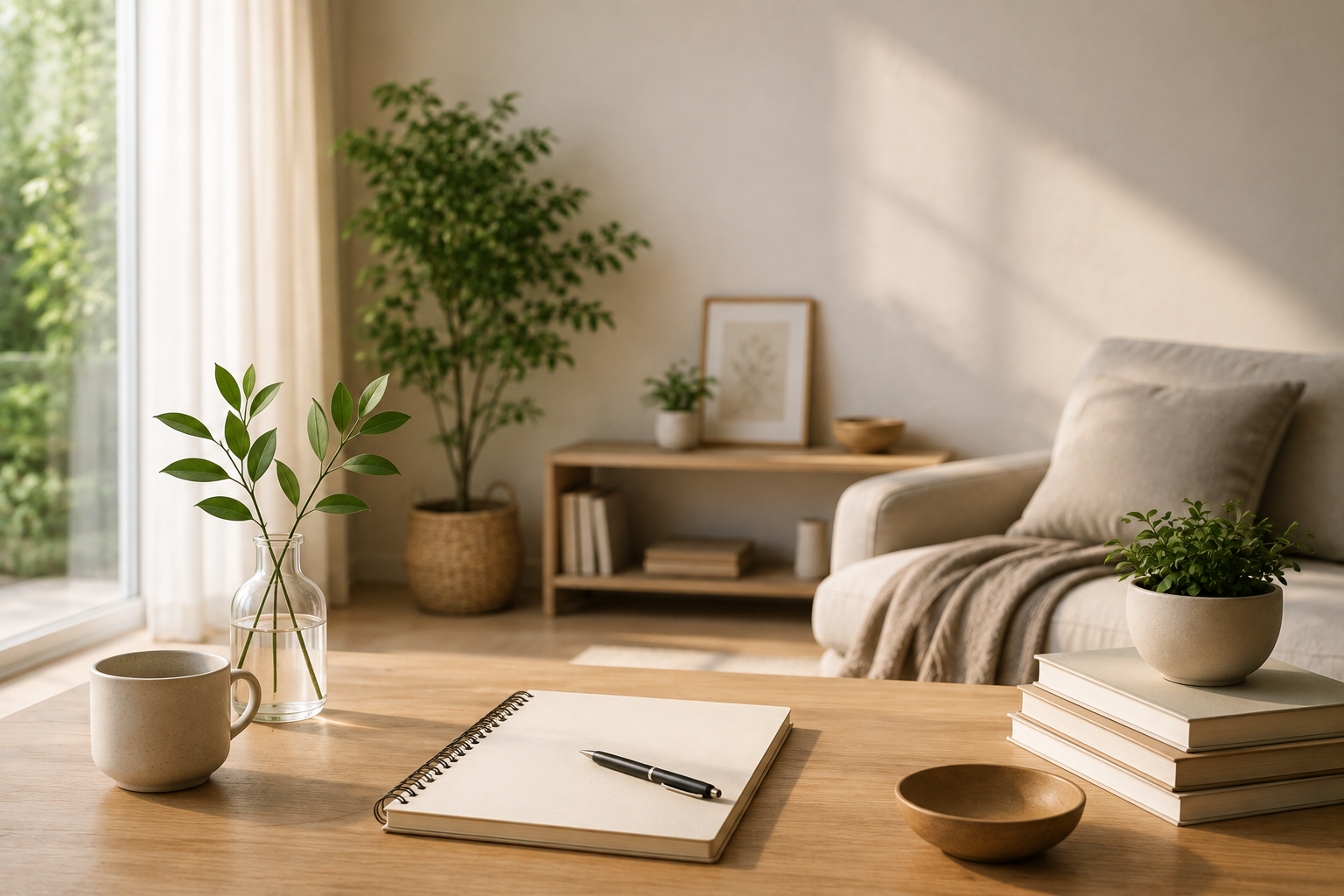
Modern life can become crowded very quickly. A full wardrobe, overflowing cupboards, constant notifications, unnecessary purchases and a never-ending list of responsibilities can leave you feeling busy without necessarily making life better.
That is where minimalism can offer a different approach. A minimalist lifestyle is not about owning nothing or making your home look empty. It is about becoming more intentional about what you own, what you spend time on and what actually adds value to your life.
These Minimalist Lifestyle Tips can help beginners simplify their surroundings, reduce unnecessary distractions and create more space for the things that genuinely matter.
What Is a Minimalist Lifestyle?
A Minimalist Lifestyle focuses on keeping the things, commitments and habits that provide genuine value while reducing unnecessary excess.
For one person, that might mean having a smaller wardrobe. For another, it could mean simplifying their home, limiting unnecessary shopping or reducing digital distractions.
There is no fixed number of possessions you need to own to be a minimalist. The goal is not to copy someone else’s lifestyle. It is to create a way of living that feels practical and meaningful for you.
How to Start a Minimalist Lifestyle
The easiest way to start is not to throw away everything you own overnight. Begin by observing what you actually use and what creates unnecessary work.
Choose one small area, such as a desk, kitchen drawer or wardrobe. Remove items you no longer use, keep the things you need and give yourself time to decide about anything uncertain.
This gradual approach makes How to start a minimalist lifestyle much less overwhelming and gives you an opportunity to understand your own habits before making bigger changes.
1. Start With Decluttering
Decluttering is one of the most practical ways to begin simplifying your surroundings.
Instead of asking, “Can I get rid of this?” ask:
- Do I use this regularly?
- Would I buy it again today?
- Does it serve a useful purpose?
- Am I keeping it because I genuinely need it?
- Is it taking up more space than its value justifies?
You do not have to throw away useful belongings simply to follow a trend. Donate, sell, recycle or responsibly dispose of things that no longer have a meaningful place in your life.
2. Declutter Your Home Step by Step
Trying to organize an entire house in one weekend can quickly become exhausting. A better approach is to work through your home one area at a time.
Start with a drawer, shelf or cupboard rather than an entire room. Separate items into categories such as keep, donate, sell, recycle and decide later.
This makes Decluttering your home step by step easier because you can see progress without creating a huge mess throughout the house.
Once an area is clear, avoid immediately filling the empty space with something new.
3. Create a More Minimalist Home
Your home does not need expensive furniture or designer décor to look calm and organized.
Useful Minimalist Home Ideas include keeping surfaces clear, choosing practical furniture, reducing unnecessary decorations and giving frequently used items a specific place.
A simple home is easier to maintain when fewer objects need cleaning, organizing and moving around.
Minimalist Home Organization Tips
Good Minimalist home organization tips are usually simple: keep similar things together, store frequently used items where they are easy to reach and avoid keeping unnecessary duplicates.
For example, if you regularly use the same kitchen appliances, make them accessible instead of hiding them behind items you rarely touch.
The goal of Home Organization is not to make every cupboard look perfect. It is to make everyday life easier.
4. Build Daily Minimalist Habits
Minimalism becomes much more effective when it becomes a habit rather than a one-time cleaning project.
Some Daily minimalist habits for beginners include putting things back after using them, reviewing purchases before buying, clearing digital notifications and spending a few minutes resetting your main living space each evening.
Another useful habit is the “one in, one out” approach. When you purchase a new item, consider whether something similar you already own can be donated, sold or recycled.
Small habits prevent clutter from returning.
5. Think Before You Buy
Many people declutter repeatedly without changing the shopping habits that created the clutter.
Before purchasing something, ask whether you need it now, whether you already own something similar and whether you will still value it months from now.
This does not mean avoiding every purchase. It means making purchases intentionally rather than automatically responding to discounts, trends or social pressure.
This is where Intentional Living becomes important: your spending should reflect your priorities instead of controlling them.
6. Simplify Your Wardrobe
Clothing is often one of the easiest places to notice unnecessary accumulation.
A Capsule Wardrobe can help by focusing on a smaller collection of versatile pieces that work well together. You do not have to follow a strict number of items; choose a wardrobe that fits your lifestyle, climate, work requirements and personal style.
Remove clothes that no longer fit, are uncomfortable or have not been worn for a long time. Keep pieces because they are useful and enjoyable not simply because they were expensive.
7. Practice Mindful and Simple Living
Simple Living does not mean giving up comfort. It means reducing unnecessary complexity and becoming more aware of how you spend your time.
Mindful Living can involve eating without constantly checking your phone, taking a walk without distractions, focusing on one task at a time or creating a calmer evening routine.
These changes can make your day feel less fragmented even when your responsibilities remain the same.
8. Understand the Benefits of Minimalist Living
The Benefits of minimalist living can be practical rather than purely aesthetic.
With fewer unnecessary possessions, you may spend less time cleaning and organizing. More intentional shopping can also reduce unnecessary spending. A simpler environment may make it easier to find things and maintain your home.
Minimalism can also encourage you to think more carefully about commitments, digital distractions and how you use your time.
However, minimalism is not a guaranteed solution for stress or every personal problem. Its value comes from creating habits and environments that better support your priorities.
9. Minimalism and Stress-Free Living
Minimalism and stress-free living can overlap when simplifying removes avoidable sources of daily friction.
Imagine opening your wardrobe and immediately seeing clothes you actually wear. Or opening a kitchen drawer without having to move five unused objects first. These small improvements can make ordinary routines feel easier.
The same principle applies beyond possessions. Reducing unnecessary notifications, commitments and multitasking can create more mental space.
10. Build a Sustainable Lifestyle
Minimalism can also encourage a more Sustainable Lifestyle by helping people think carefully about consumption.
Buying fewer unnecessary products can mean fewer resources are used to manufacture, package and transport things you do not really need. Reusing, repairing, donating and buying durable products can also reduce waste.
Sustainability does not require perfection. Even small changes in purchasing and consumption habits can become meaningful when practiced consistently.
11. Find Better Work-Life Balance
A minimalist approach can extend beyond your home and belongings.
If your schedule is packed with commitments that do not align with your priorities, consider whether every activity deserves your time. Learn to protect periods for rest, family, hobbies and personal goals.
This can support a healthier Work-Life Balance because simplifying your schedule can be just as valuable as simplifying your home.
Ask yourself what deserves your attention rather than automatically saying yes to everything.
How to Live a Minimalist Lifestyle Long Term
The key to How to Live a Minimalist Lifestyle is consistency rather than perfection.
You will buy new things. Your family may have different preferences. Your lifestyle may change when you move, start a new job or have new responsibilities.
That does not mean you have failed at minimalism.
Review your belongings occasionally, avoid unnecessary purchases and adjust your habits as your priorities change. Minimalism should support your life rather than become another set of rules you feel pressured to follow.
Conclusion
The best Minimalist Lifestyle Tips are the ones that make everyday life simpler without making it unnecessarily restrictive.
Start small. Declutter one area, rethink your shopping habits, simplify your wardrobe and create daily routines that prevent unnecessary accumulation. Then look beyond possessions and consider how you spend your time, attention and money.
Minimalism is ultimately less about having an empty home and more about making room for what matters. When your possessions, habits and commitments reflect your priorities, simple living can become a practical and sustainable way to live.
Frequently Asked Questions
1. How do I start a minimalist lifestyle as a beginner?
Start with one small area of your home instead of trying to change everything at once. Remove things you no longer use, avoid unnecessary purchases and gradually create habits that prevent clutter from returning.
2. Does minimalism mean getting rid of most of your belongings?
No. Minimalism does not require a specific number of possessions. The idea is to keep things that are useful, meaningful or genuinely valuable to you while reducing unnecessary excess.
3. What are the main benefits of minimalist living?
Potential benefits include less clutter, easier home maintenance, more intentional spending and fewer unnecessary distractions. The experience differs from person to person, so focus on changes that genuinely improve your daily life.
4. How can I make my home more minimalist without spending money?
Start by removing unused items, organizing what you already own and clearing unnecessary objects from visible surfaces. You do not need to buy expensive storage products or new furniture to create a simpler home.
5. Can minimalism improve work-life balance?
It can help by encouraging you to examine how you spend your time and reduce unnecessary commitments. Simplifying your schedule can create more room for rest, relationships, hobbies and priorities outside work.