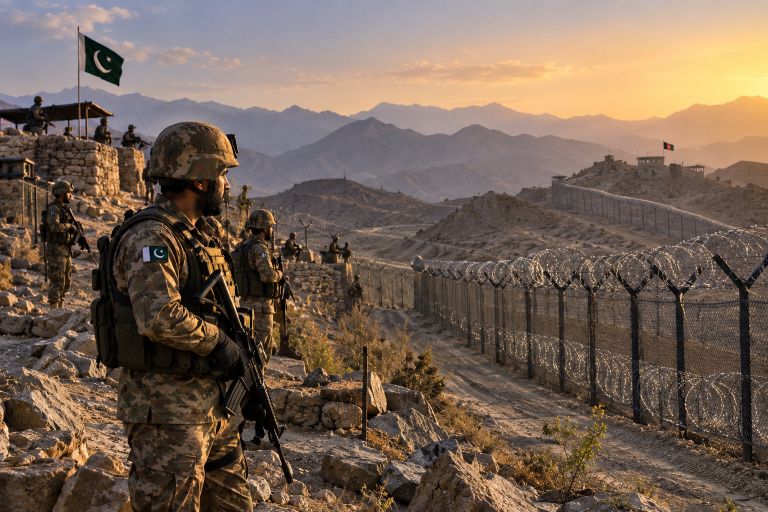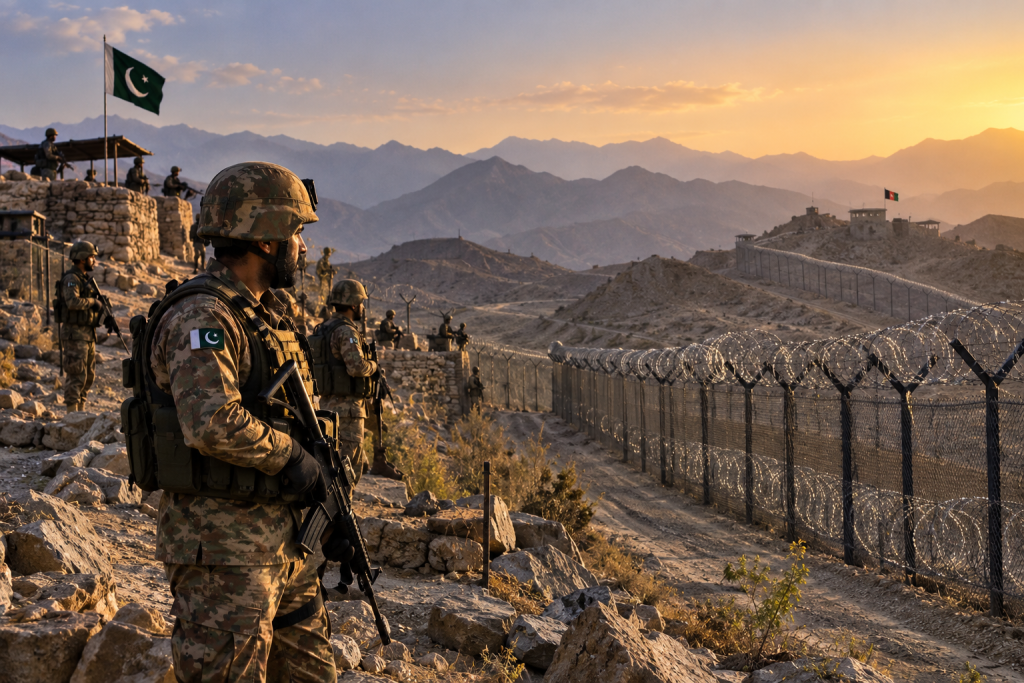


For Pakistan Army, modern defence is no longer defined only by soldiers guarding borders. Today’s security environment involves terrorism, drones, cyber capabilities, intelligence, rapidly evolving military technology and increasingly complex regional threats.
The Pakistan Army continues to maintain its traditional responsibility of protecting the country’s territorial integrity while counterterrorism remains a major operational priority. Intelligence-based operations in different parts of the country demonstrate how internal security threats can require continuous surveillance, intelligence coordination and rapid-response capabilities.
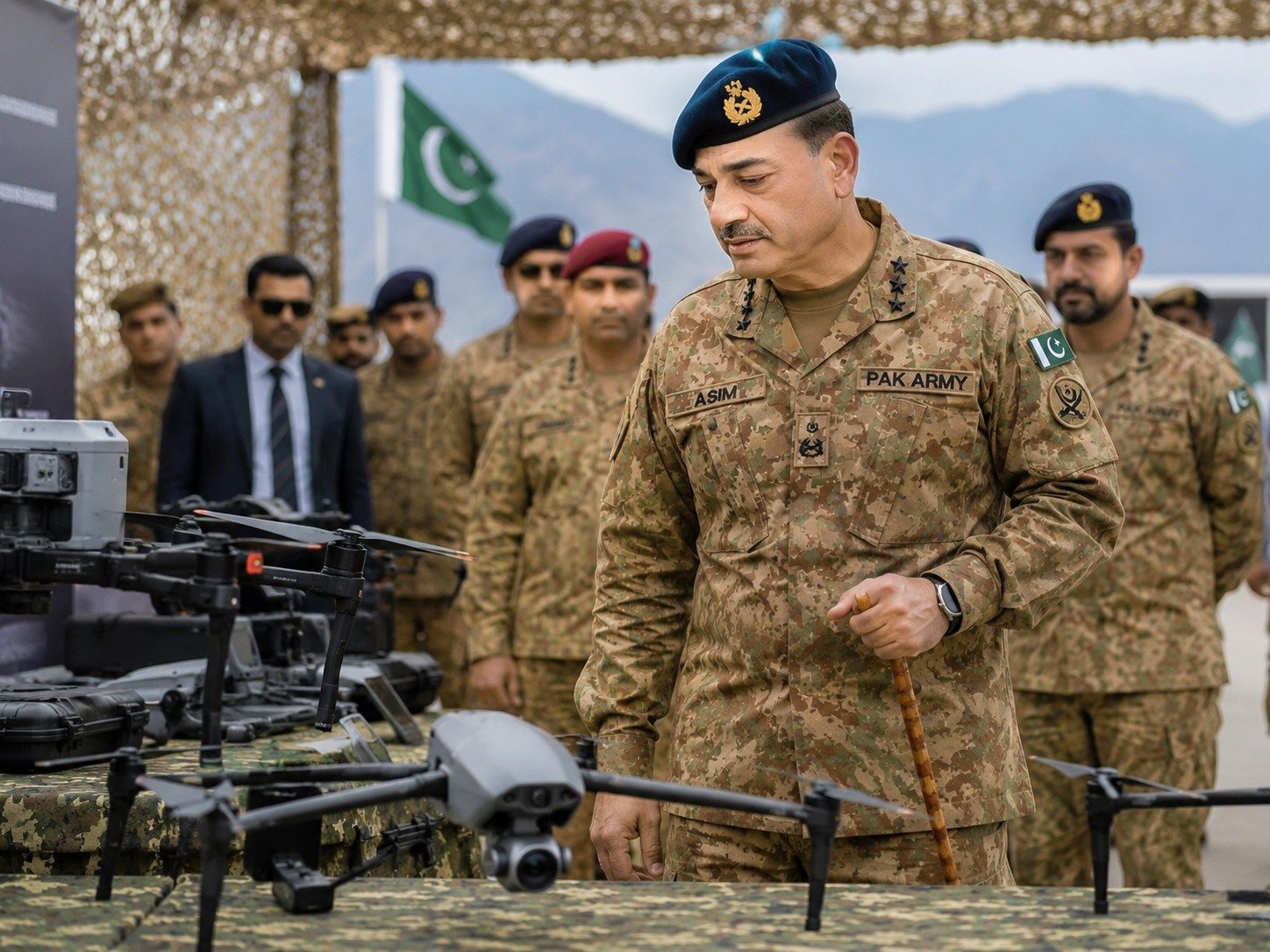
In this evolving security landscape, the leadership of Chief of Army Staff General Asim Munir has been widely associated with reinforcing institutional professionalism, strengthening intelligence-based counterterrorism efforts, and enhancing operational readiness. Under his command, emphasis on discipline, coordination among security institutions, and adaptation to modern warfare challenges has further contributed to the Army’s ongoing efforts to safeguard national stability and respond effectively to emerging threats.
But another important transformation is taking place: technology is becoming as important to modern military preparedness as conventional firepower.
Modern armies increasingly depend on integrated communications, unmanned systems, electronic warfare, surveillance, precision capabilities and real-time battlefield information. For Pakistan, maintaining operational readiness therefore means continuously adapting training and capabilities to a rapidly changing defence environment.
The Army’s role also becomes highly visible away from combat.
During floods, earthquakes and other major emergencies, military personnel and aviation assets have repeatedly been mobilised for rescue, evacuation, logistics and relief operations. In difficult terrain and isolated communities, the ability to deploy manpower and equipment quickly can become crucial when civilian infrastructure is overwhelmed.
Pakistan’s military personnel have also maintained a longstanding international presence through United Nations peacekeeping operations, representing the country in missions far beyond Pakistan’s borders.
These different responsibilities demonstrate why the definition of national security itself has expanded.
A soldier today may operate in a conventional formation, participate in a counterterrorism mission, support disaster-relief operations or serve thousands of kilometres from home as a UN peacekeeper.
Yet military capability ultimately depends on more than equipment.
Training, discipline, intelligence, institutional experience and the ability to respond quickly to unexpected situations remain fundamental. Technology can strengthen those capabilities, but people remain at its centre.
As security challenges evolve across the region, Pakistan Army’s challenge will be to maintain conventional deterrence while simultaneously preparing for threats that may look very different from those of previous decades.
For Pakistan, the future of defence will therefore depend not simply on being strong—but on remaining prepared, adaptable and technologically capable in an increasingly unpredictable security environment.