

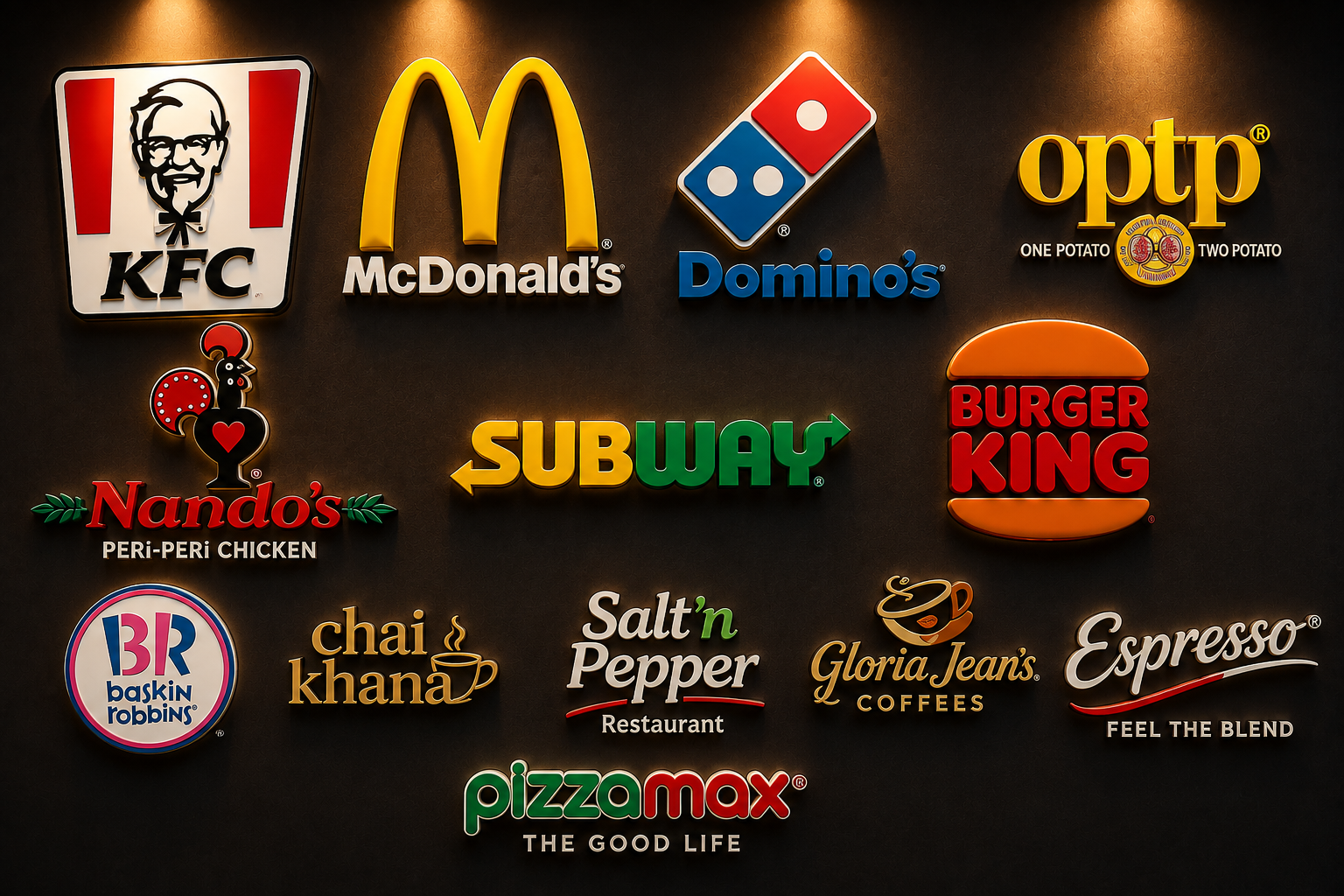
Pakistan’s food industry continues to attract entrepreneurs as changing lifestyles, urbanisation and digital delivery platforms reshape how people purchase and consume food. From restaurants and cafés to packaged products and home-based brands, the sector offers opportunities for businesses of different sizes.
Changing Consumer Preferences
Consumers are increasingly looking beyond traditional dining options. Convenience, attractive packaging, consistent quality and quick delivery have become important factors when choosing food brands.
Young consumers, particularly in major cities, are also willing to experiment with new concepts. Specialty coffee shops, dessert brands, frozen foods, healthy meals and international cuisines have created space for entrepreneurs to develop businesses around specific customer segments.
Delivery Has Changed the Restaurant Business
Food delivery has significantly changed the economics of the industry. Restaurants are no longer dependent entirely on customers visiting physical locations.
Cloud kitchens and delivery-focused businesses can operate with comparatively smaller spaces and lower front-end costs than traditional restaurants. Social media also allows new food brands to introduce products directly to thousands of potential customers.
A small home-based food business can gradually develop into a recognised brand if it maintains quality and reliable service.
Packaged Food Offers Greater Scale
Another promising area is packaged food.
Spices, sauces, frozen products, snacks, beverages, bakery products and ready-to-cook meals can potentially reach customers beyond the city where they are produced.
For entrepreneurs, packaged products also provide an opportunity to build a brand that can eventually enter supermarkets and larger retail networks.
However, professional packaging, food safety, shelf life and consistent production standards become increasingly important as businesses expand.
Managing Costs Remains a Challenge
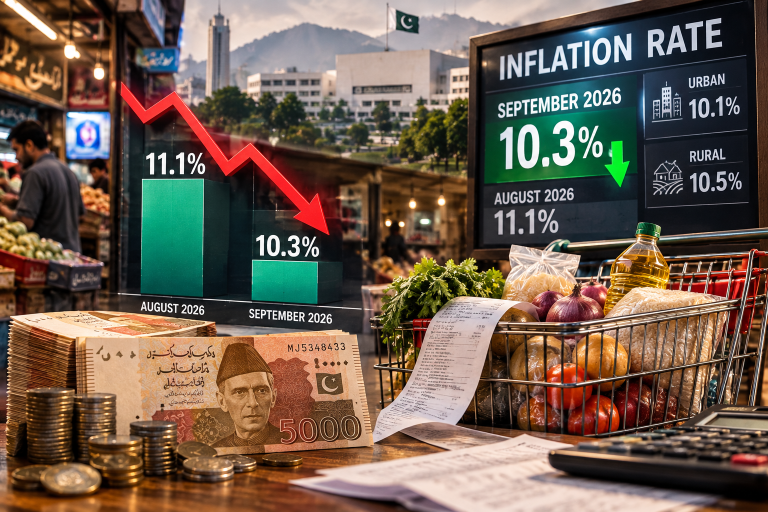
The industry also faces considerable pressure from changing ingredient prices, electricity expenses, commercial rents and delivery costs.
Poor inventory management can quickly reduce profitability because many ingredients have limited shelf lives. Businesses must carefully monitor purchasing, wastage and portion sizes while maintaining product quality.
Customer loyalty is another challenge because consumers often have numerous alternatives.
Building a Sustainable Food Brand
Successful food businesses require more than good taste. Branding, hygiene, customer service, pricing and consistency all contribute to long-term success.
Pakistan’s large population and strong food culture provide substantial potential for entrepreneurs who can identify underserved markets.
The next successful food company may begin as a small kitchen, local café or specialised product. With disciplined operations and strong branding, however, it can potentially grow into a business serving customers across Pakistan.