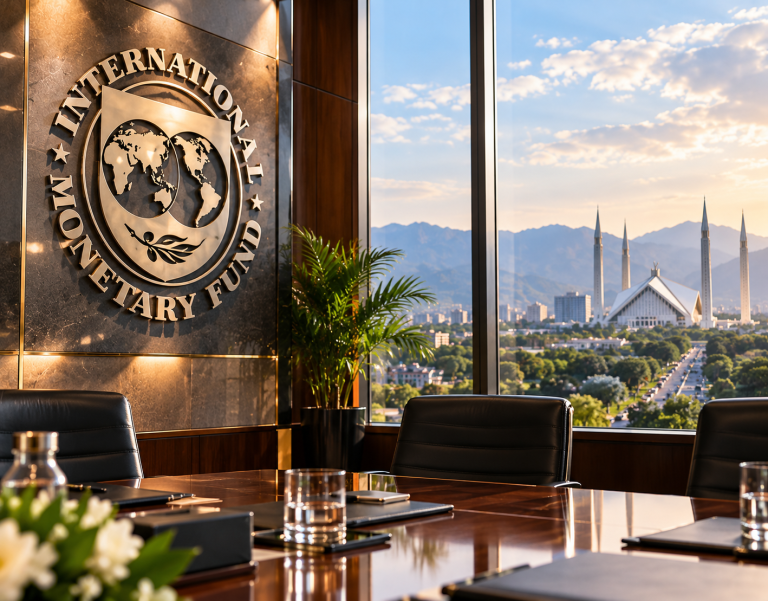


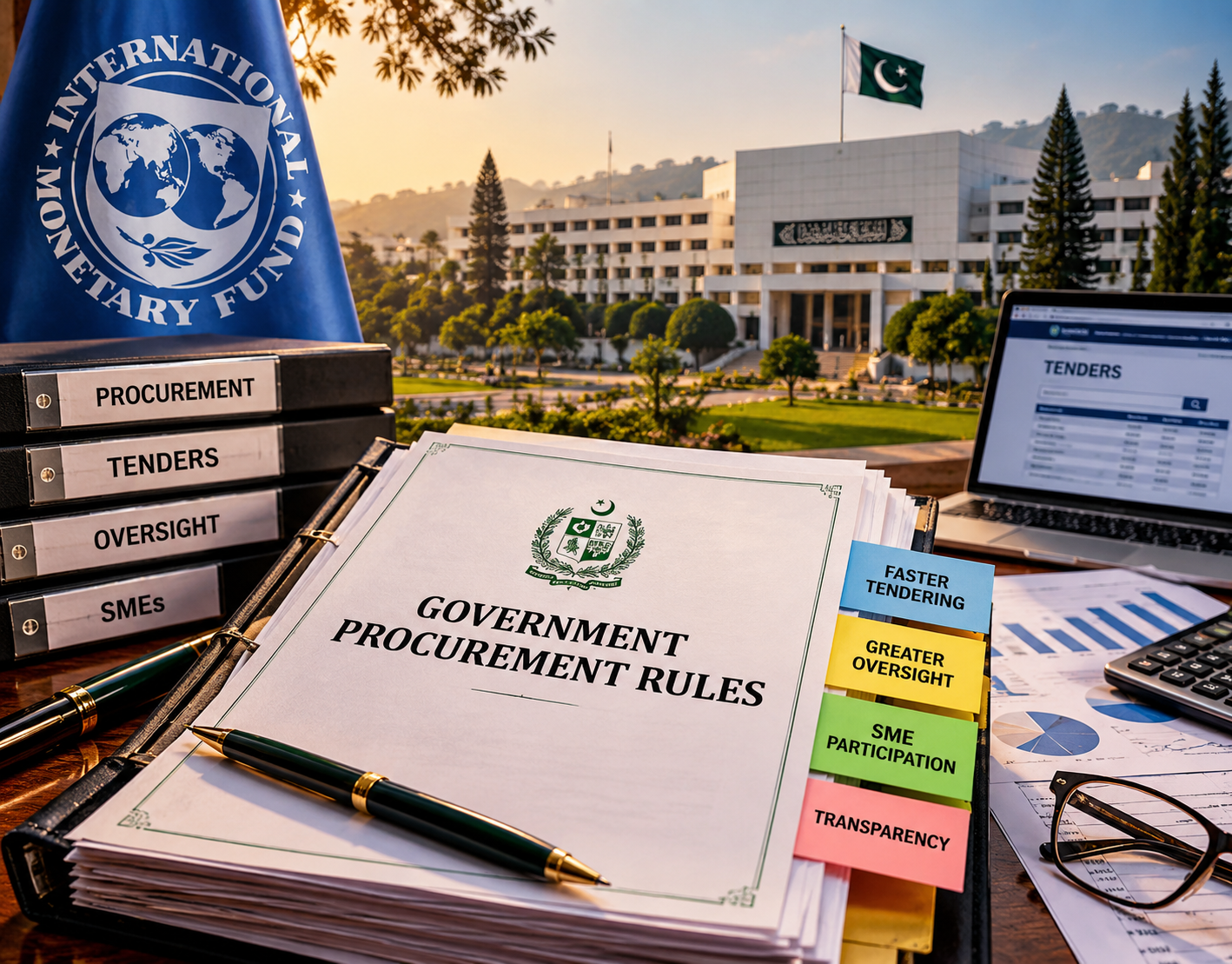
Pakistan has introduced a major overhaul of the way the federal government buys goods, services and carries out public-sector projects. The Public Procurement Rules 2026 have now come into force, replacing rules that had been in place since 2004. The timing is important: the changes were notified while an International Monetary Fund mission is in Pakistan for the latest review of the country’s economic programme.
At its simplest, public procurement is how government departments spend taxpayers’ money when purchasing everything from office equipment and medicines to consultancy services and major infrastructure work. Because billions of rupees can move through these contracts, the system has long been an important area for transparency and accountability.
One of the biggest changes is the mandatory use of EPADS, the E-Pak Acquisition and Disposal System, for federal procurement and disposal processes. The idea is to move more of the process online, leaving a clearer digital record and making procurement easier to monitor. The new framework also calls for dedicated procurement cells and introduces stronger checks such as third-party validation, evaluation and pre-shipment inspection for major purchases.
The government also wants procurement to move faster. The rules shorten some response and standstill periods and introduce alternative methods, including shopping and negotiated tendering under specified conditions. They also encourage greater participation by small and medium-sized enterprises (SMEs) and include sustainable procurement considerations.
There is, however, an important point of disagreement.
The IMF had set an end-September benchmark calling for changes to eliminate preferential treatment for state-owned enterprises in public contracts without competition. The new Pakistani rules still allow direct contracting with state-owned entities in certain circumstances, including urgent, time-sensitive, remotely located or public-interest projects. This means the reforms address many transparency concerns, but do not fully remove the issue that had attracted IMF attention.
For ordinary Pakistanis, procurement rules may sound technical, but their impact can be very practical. Better competition can potentially mean better prices, fewer delays and stronger accountability for public money. For businesses, especially SMEs, a more open digital system could also create more opportunities to compete for government contracts.
The real test, however, will not be the rules on paper. It will be how consistently they are implemented — and whether greater transparency ultimately translates into better value for taxpayers.