


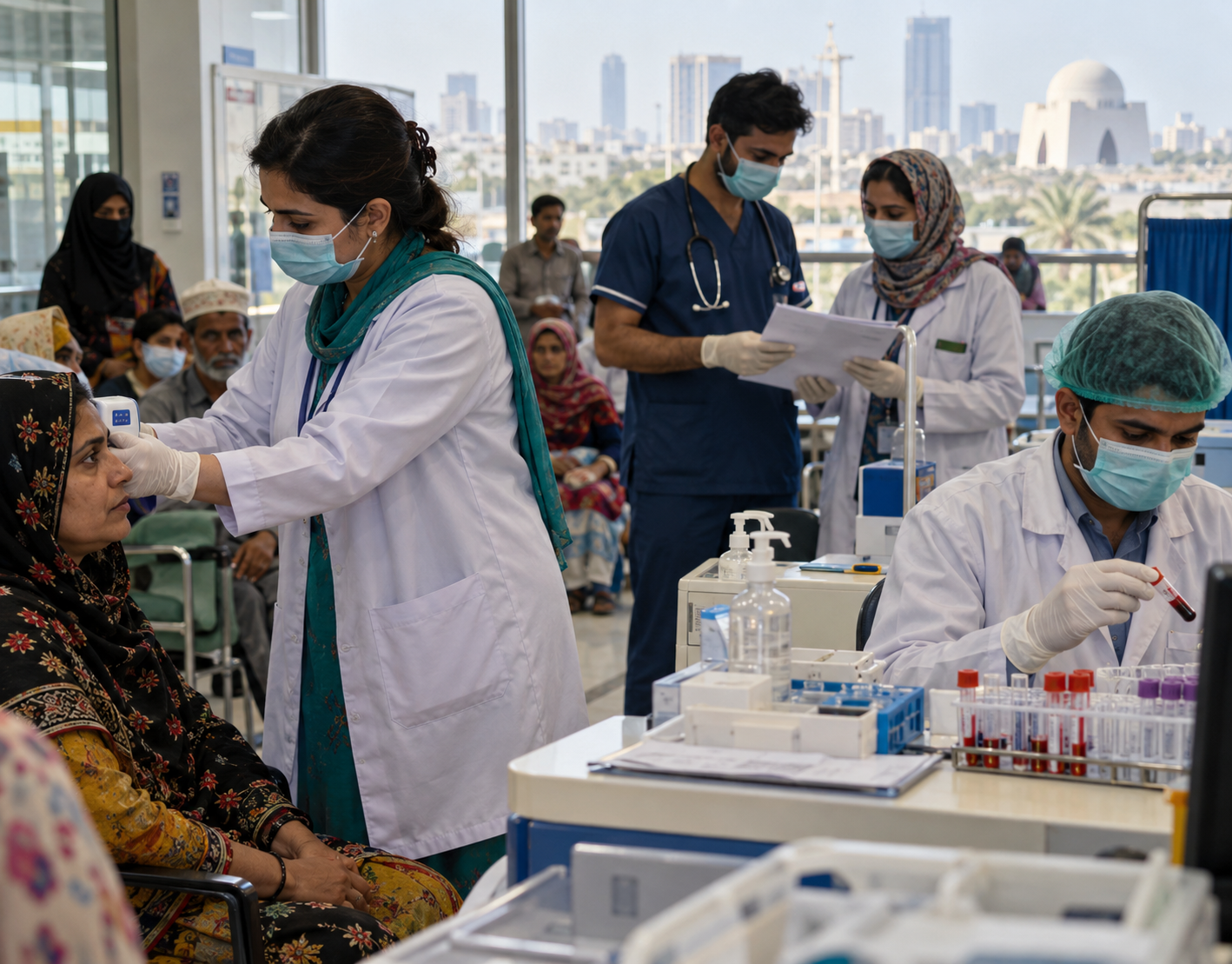
Health concerns surrounding mpox are receiving renewed attention in Sindh as reports of infections and deaths highlight the importance of early detection and public awareness. The situation has placed greater focus on disease surveillance, timely testing, and the ability of healthcare facilities to identify and manage suspected cases.
Reports published around October 24, 2026, cited 98 cases and 12 deaths in the province. However, these figures should be confirmed against the latest official update from the Sindh Health Department before publication. The reported increase underlines the need for reliable information rather than rumours or unnecessary public alarm.
Why Surveillance Matters
Surveillance helps health authorities identify suspected infections, monitor changes in reported cases, and investigate possible transmission between people. When a patient tests positive, public health teams may assess close contacts and provide guidance to reduce further spread.
Hospitals and laboratories also play an important role. Healthcare workers need to recognise possible symptoms, arrange appropriate testing, and follow infection prevention procedures. Timely reporting allows authorities to understand where cases are emerging and where additional medical support may be needed.
Accurate information is equally important. Confirmed cases, suspected infections, and deaths should be reported separately so that the public can understand the situation without confusing preliminary figures with verified findings.
Understanding Mpox and Its Symptoms
Mpox is a viral infection that can cause a rash, fever, headache, muscle aches, fatigue, and swollen lymph nodes. The rash may develop into blisters or lesions and can appear on different parts of the body.
Symptoms do not look identical in every patient. Some people experience a limited rash, while others develop more widespread symptoms. Signs can appear within 21 days after exposure, although the timing varies.
Most people recover, but serious illness can occur, particularly among young children, pregnant people, and individuals with weakened immune systems. Anyone who develops an unexplained rash or other symptoms consistent with mpox should seek medical advice rather than attempting to diagnose the condition independently.
How the Virus Spreads
Mpox primarily spreads through close physical contact with an infected person, including contact with skin lesions, bodily fluids, or contaminated clothing, bedding, and other personal items. Prolonged close contact can also contribute to transmission.
It does not spread as easily through ordinary casual interactions as infections such as influenza. Understanding this distinction helps people take sensible precautions without treating everyone around them as a potential source of infection.
Practical Steps to Reduce Risk
People should avoid direct contact with suspected lesions and avoid sharing towels, clothing, bedding, or other personal items with someone who may be infected. Regular handwashing and appropriate cleaning of contaminated items can also help reduce risk.
Anyone experiencing concerning symptoms should contact a healthcare professional and follow medical advice about testing, limiting close contact, and care. People should avoid stigmatizing patients, since respectful communication encourages individuals to seek help promptly.
Health authorities, meanwhile, need consistent public updates, accessible testing, trained healthcare staff, and effective contact tracing. Clear guidance can help communities understand when to seek medical attention and what precautions are appropriate.
As Sindh responds to the reported cases, the priority should remain straightforward: verify the numbers, detect infections early, support patients, and communicate risks clearly. Responsible surveillance and informed public cooperation can help contain transmission without creating unnecessary fear.