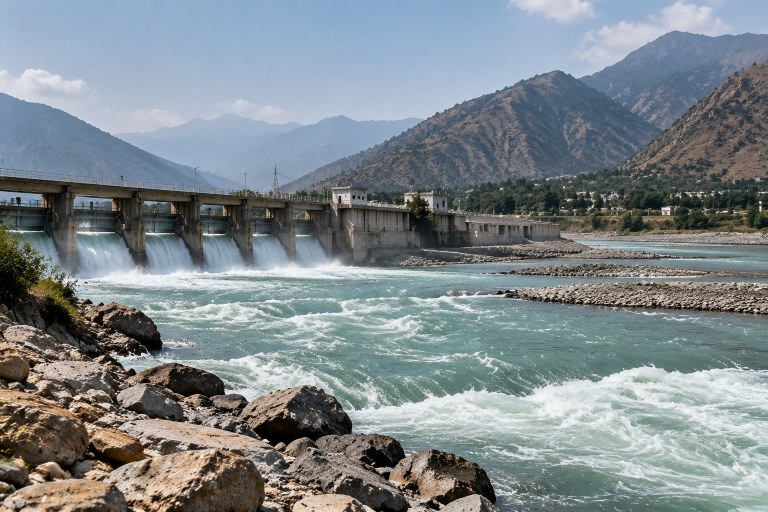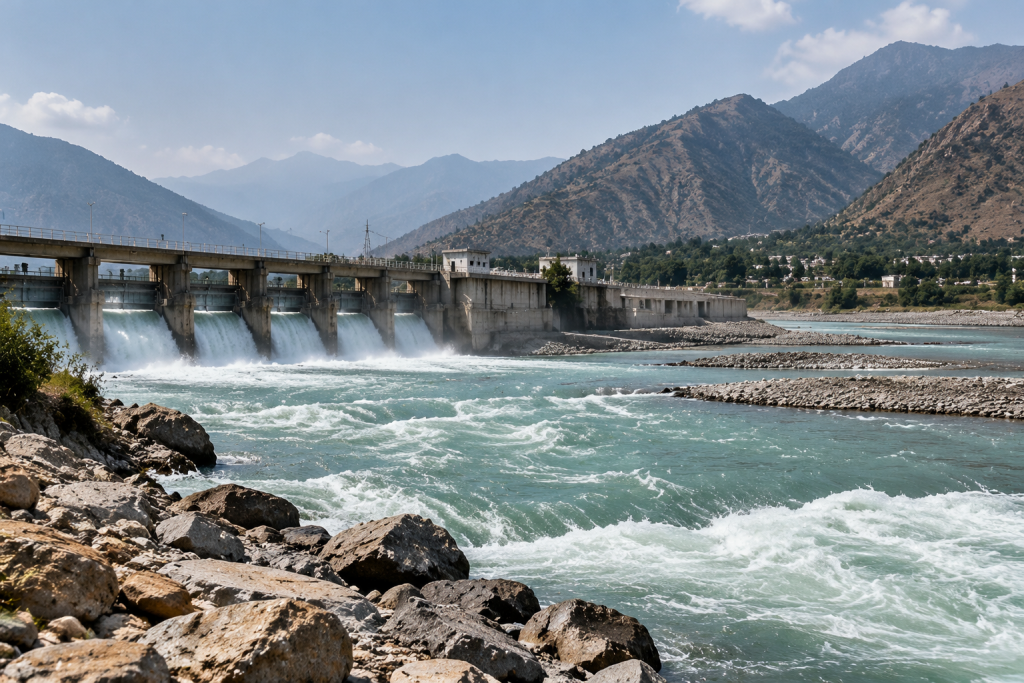


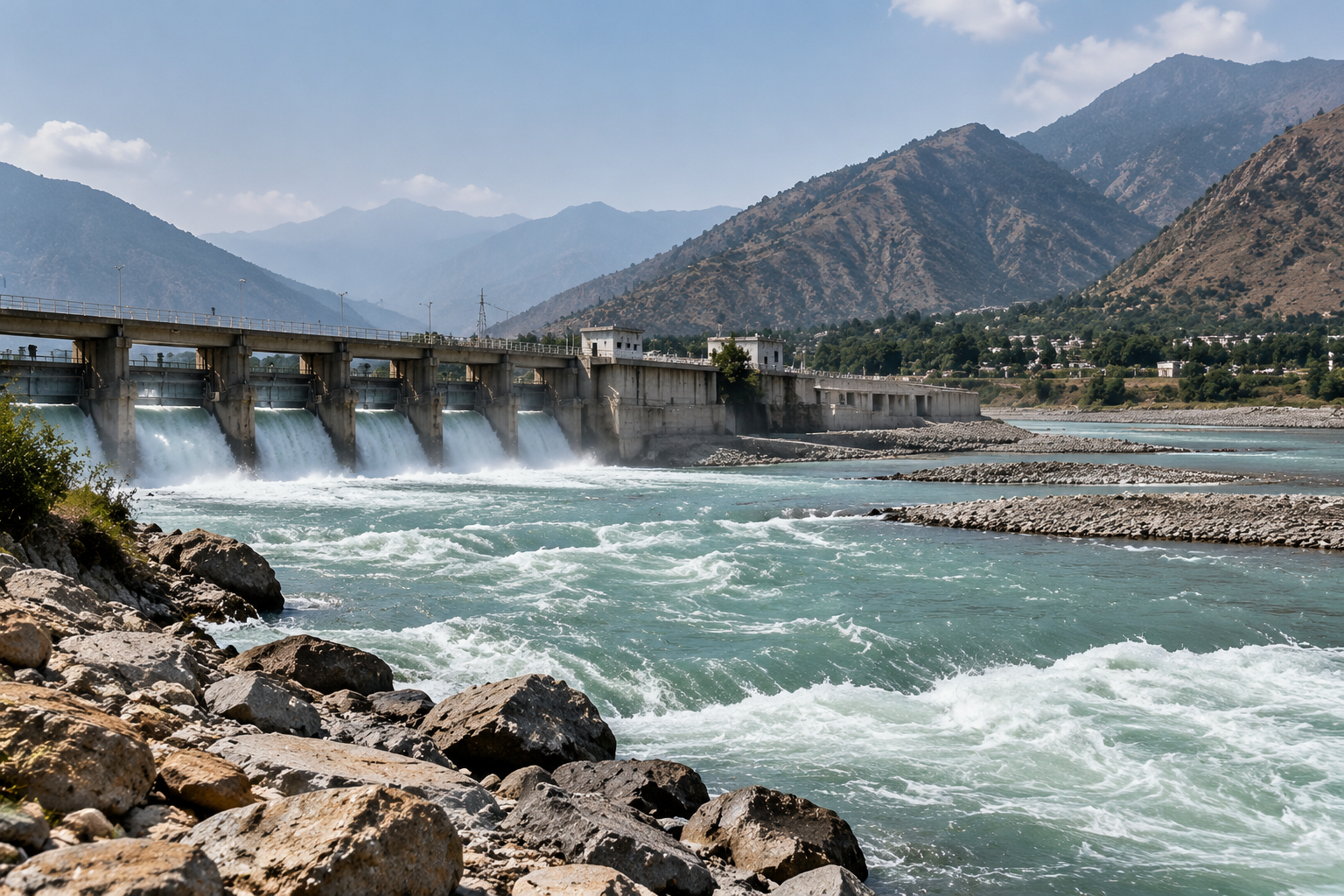
Fresh questions over floodwater entering Pakistan have renewed concerns about river management, irrigation security and the future of water-sharing arrangements between the two neighbouring countries.
Why Pakistan Cannot Afford to Ignore Its Rivers
For Pakistan, water is not simply a natural resource. It is connected to the food on people’s tables, the livelihoods of farming families and the economic stability of millions of citizens. The Indus River system supports much of the country’s agricultural activity, making reliable water supplies essential for both rural communities and urban populations.
This is why developments along rivers crossing the India-Pakistan border attract serious attention in Pakistan. Changes in river flows, sudden releases during heavy rainfall and uncertainty over water-sharing arrangements can create challenges for farmers, irrigation authorities and communities living in flood-prone areas.
The concern is not limited to whether water levels rise or fall on a particular day. It is also about whether both countries have reliable information, effective warning systems and agreed procedures for managing rivers that cross an international border.
What Indian Punjab Officials Said on October 28
The latest debate gained attention after Indian Punjab officials explained their position on floodwater flowing towards Pakistan.
According to The Indian Express, Punjab Cabinet Minister Barinder Kumar Goyal told the state assembly that Punjab had not released water towards Pakistan from Madhopur headworks. He said much of the water crossing the border came from the Ujh River and streams including the Basantar and Tarnah, which join the Ravi downstream of the headworks.
Goyal also said the state had sent repeated letters to the Bhakra Beas Management Board regarding its position on water releases. Punjab Chief Minister Bhagwant Mann called for better conservation and management of excess floodwater. <Cite refs={[“turn978073news33”]}/>
These statements present India’s explanation of the immediate situation. However, determining the precise source and volume of water crossing the border requires reliable hydrological measurements and transparent information. Neither political allegations nor official denials alone can replace that evidence.
Pakistan’s Reservations and the Treaty Dispute
Pakistan’s wider concern goes beyond the source of a particular floodwater flow. The future of the Indus Waters Treaty, signed in 1960 with World Bank involvement, has become a central issue in bilateral relations.
In April 2025, India announced that it was placing the treaty in abeyance following the deadly attack in Pahalgam, citing security concerns and its position on cross-border terrorism. Pakistan has challenged India’s unilateral move and maintains that its water rights cannot simply be set aside through a unilateral declaration. <Cite refs={[“turn978073news10″,”turn978073search9”]}/>
From Pakistan’s perspective, the treaty provides an established framework for managing shared river waters, resolving technical disagreements and protecting downstream interests. Uncertainty surrounding that framework creates concerns about future water availability, information-sharing and the rules governing river projects.
India, meanwhile, has argued that the existing arrangement needs to be reconsidered in light of contemporary security concerns and changing water-management requirements. New Delhi has also linked its position on the treaty to its demands regarding cross-border terrorism. <Cite refs={[“turn978073news7″,”turn978073search1”]}/>
These opposing positions remain a serious obstacle. Pakistan’s concerns deserve examination through the treaty’s provisions, relevant legal processes and verifiable river-flow data, rather than assumptions about the motives behind every change in water levels.
Flood Prevention Must Become a Shared Priority
Floodwater management is a practical challenge regardless of the political dispute. Heavy rainfall, tributary flows, reservoir conditions and the timing of water releases can all affect downstream communities.
Pakistan needs stronger river monitoring, improved storage and drainage infrastructure, timely flood warnings and better coordination between federal and provincial authorities. Water conservation and more efficient irrigation are equally important as demand grows and climate pressures intensify.
At the same time, reliable communication between the two countries could help reduce uncertainty during extreme weather. Timely information about river levels, expected flows and potential flooding would give communities and emergency services more time to prepare.
Protecting Pakistan’s Water Future
Pakistan has legitimate reasons to seek clarity, predictability and protection for its water security. India’s stated explanation of the latest floodwater flows should be assessed against measurable evidence, while the larger treaty dispute requires a durable and lawful resolution.
For ordinary Pakistanis, the issue is ultimately about more than diplomatic arguments. It is about whether farmers can plan their crops, whether families living near rivers receive timely warnings and whether the country can manage its limited water resources responsibly.
A stable water-sharing framework, transparent data and effective flood-management systems would serve the interests of people on both sides of the border. Pakistan must continue to defend its water interests while strengthening its own capacity to conserve, monitor and manage every available drop.