


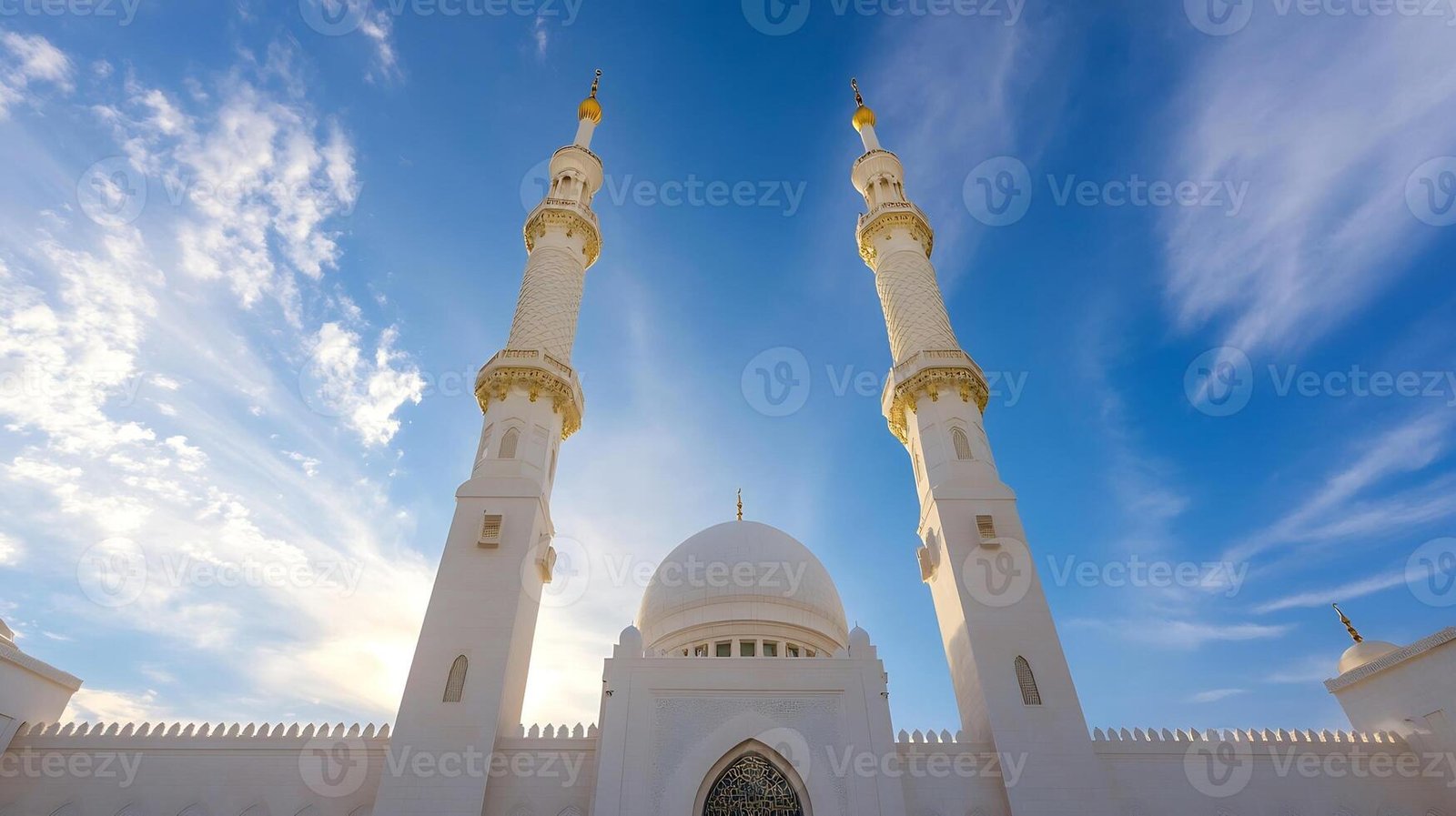
The Islamic faith is built upon a foundation of five core practices, universally known as the Five Pillars of Islam. These pillars are not just abstract theological concepts; they are mandatory acts of worship that dictate the daily, annual, and lifetime rhythms of a practicing Muslim. They serve to unite a highly diverse global community under a shared framework of spiritual discipline and devotion.
The first and most central pillar is the Shahada, or the declaration of faith. This simple but profound statement affirms the belief in the oneness of God and the prophethood of Muhammad. It is the gateway into the faith. The second pillar, Salah, requires Muslims to perform ritual prayers five times a day. These structured pauses—at dawn, noon, afternoon, sunset, and night—act as constant spiritual resets, pulling the individual away from worldly distractions and back to their spiritual center.
The third and fourth pillars focus on community welfare and self-restraint. Zakat is obligatory almsgiving, requiring Muslims who meet a certain threshold of wealth to donate a specific percentage to those in need. It purifies one’s wealth and enforces economic justice. Sawm refers to fasting during the holy month of Ramadan, teaching empathy for the hungry, extreme self-discipline, and deep spiritual reflection.
The final pillar is the Hajj, the pilgrimage to the holy city of Mecca. It is required at least once in a lifetime for those who are physically and financially able. Hajj is a massive, unifying event where millions of Muslims gather in identical simple garments, stripping away all markers of class, race, and nationality to stand equal before God. Together, these five pillars construct a comprehensive blueprint for a balanced, purposeful life.