

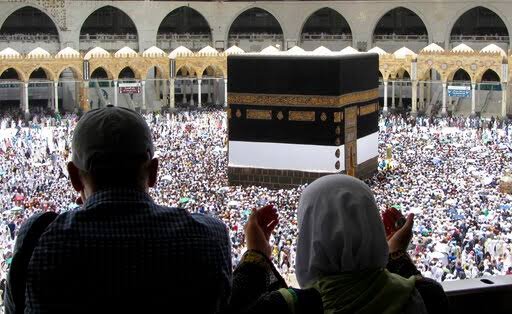
The Hajj is one of the largest and most complex annual human gatherings on the planet. Required of every physically and financially capable Muslim at least once in their lifetime, this mandatory pilgrimage to the holy city of Mecca in Saudi Arabia is a deeply transformative experience. It is a physical journey that strips away the comforts of daily life, serving as an ultimate test of endurance, patience, and devotion.
The rituals of Hajj are deeply rooted in history, tracing their origins back to the trials of the Prophet Abraham (Ibrahim) and his family. Over the course of five to six days, pilgrims perform a series of physically demanding rites. These include circling the Kaaba, walking between the hills of Safa and Marwa, and standing in intense prayer on the plains of Mount Arafat. Each action is highly symbolic, representing concepts of faith, sacrifice, and the ultimate reliance on God.
Before entering the sacred state of Hajj, pilgrims must don the Ihram. For men, this consists of two simple, unstitched white sheets; for women, simple and modest clothing. This dress code is a powerful equalizer. It completely obliterates all visible markers of wealth, social status, race, and nationality. A billionaire and a day laborer stand shoulder to shoulder, completely indistinguishable from one another in their shared humanity and devotion.
The logistical undertaking of hosting millions of international travelers in a single city over one week is staggering. Yet, despite the massive crowds and intense heat, the overwhelming emotion reported by pilgrims is one of profound peace and global unity. Hajj serves as a powerful reminder of the ultimate equality of all human beings, sending pilgrims back to their home countries with a renewed sense of spiritual purity and purpose.