


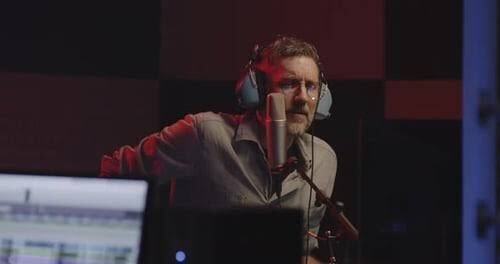
Voice acting is one of the most demanding yet underappreciated disciplines in the entire entertainment industry. While live-action actors can rely on their facial expressions, costumes, physical movements, and set design to convey emotion, voice actors are restricted entirely to a vocal booth. They must project a character’s complete soul, age, vulnerability, and physical presence using nothing but the pitch, tone, and pacing of their voice.
The versatility required for this profession is staggering. A single voice actor can routinely play an intimidating, deep-voiced villain in a grim video game in the morning, and transition into voicing an energetic, high-pitched talking animal for a preschool cartoon in the afternoon. This requires an absolute masterclass in vocal control and an intensive understanding of anatomy to prevent severe vocal cord strain during long, grueling recording sessions.
The rise of massive, narrative-driven video games has further elevated the artistic demands of the craft. Modern games feature sprawling scripts that rival long-running television series, requiring voice actors to deliver intensely dramatic, sustained performances across years of production. Many projects now combine voice acting with performance capture, requiring the actors to wear specialized suits to record their movements alongside their vocal tracks.
Despite their immense contributions to global pop culture, voice actors largely enjoy absolute anonymity in their daily lives. They can walk through a crowded convention floor packed with fans wearing t-shirts of their characters without ever being recognized. For many in the industry, this anonymity is the ultimate perk, allowing them to create legendary characters while maintaining a normal life away from the paparazzi.