


In our fast-paced modern world, sleep is often the first casualty of a busy schedule. However, treating sleep as an optional luxury rather than a biological necessity is a dangerous gamble with long-term health. Sleep hygiene refers to the daily habits and environmental factors that directly influence the quality and duration of your rest. Optimizing these habits is often the most effective, medication-free way to boost daily energy levels and cognitive performance.
The foundation of good sleep hygiene is the circadian rhythm, the body’s internal 24-hour clock. To keep this clock running smoothly, experts recommend going to bed and waking up at the exact same time every day, even on weekends. This consistency trains your brain to anticipate sleep, allowing you to fall asleep faster and achieve deeper, more restorative phases of REM (Rapid Eye Movement) and slow-wave sleep.
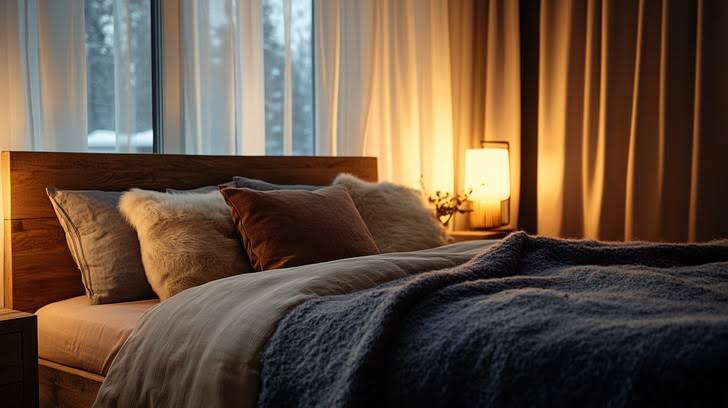
Environmental factors play an equally crucial role. The ideal bedroom should be cool, dark, and completely quiet. Blackout curtains and white noise machines can mask disruptive external stimuli, while lowering the thermostat mimics the natural drop in body temperature that signals to the brain it is time to rest. Even the quality of your mattress and pillows can make a profound difference in minimizing physical discomfort throughout the night.
Perhaps the greatest modern enemy of sleep hygiene is blue light emitted from smartphones, tablets, and televisions. This artificial light suppresses the production of melatonin, the hormone responsible for inducing sleep. Committing to a strict digital curfew at least an hour before bed and replacing screen time with a relaxing activity—such as reading, gentle stretching, or meditation—can dramatically transform the quality of your nightly rest.