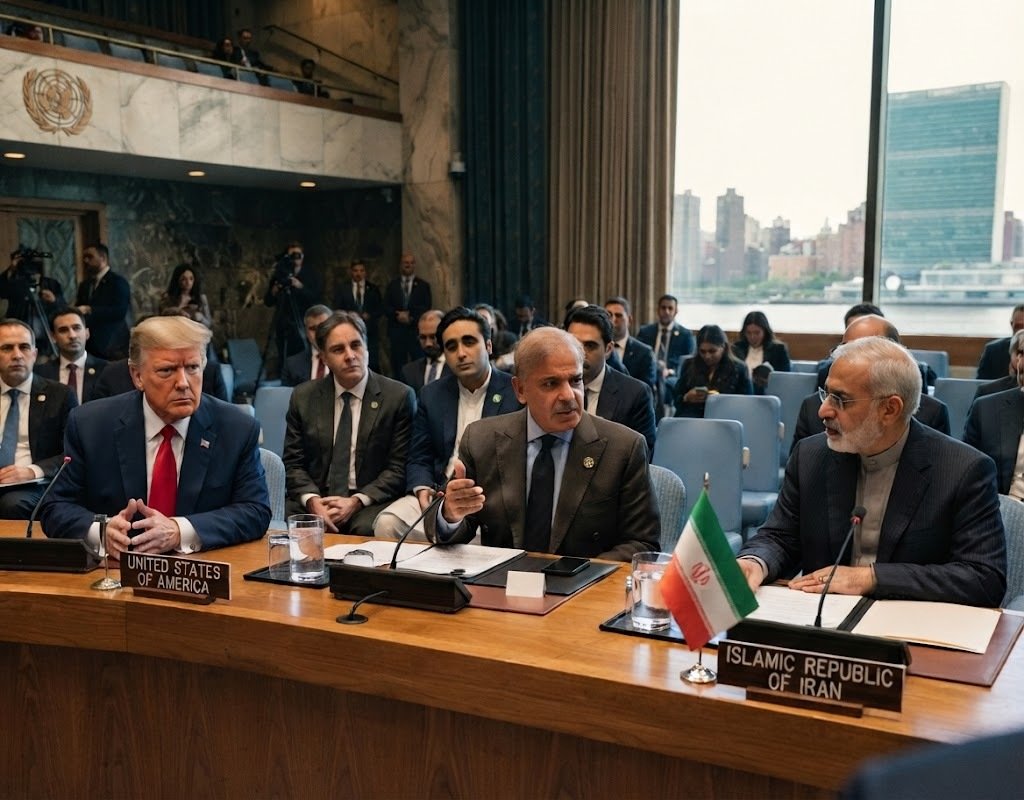


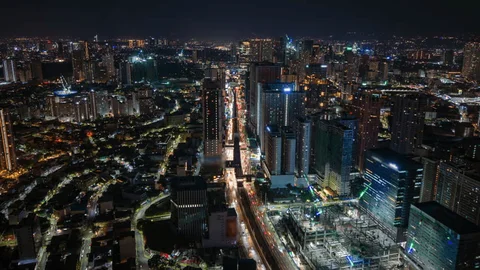
When we think of international relations, we traditionally think of interactions between national governments—presidents and prime ministers negotiating treaties in capital cities. However, the 21st century is witnessing the unprecedented rise of the transnational megacity. Cities like Tokyo, London, New York, and Shanghai now command economies that dwarf those of entire mid-sized nations. Increasingly, these urban powerhouses are bypassing their national governments to forge their own independent international relationships.
These global cities face unique, shared challenges that often differ wildly from the priorities of their respective national governments. Mayors of megacities must manage massive public transit networks, extreme housing density, and the immediate, acute effects of coastal climate change. To solve these problems, municipal leaders are forming their own international coalitions—such as the C40 Cities Climate Leadership Group—to share technological innovations, pool resources, and set aggressive policy goals entirely independent of national gridlock.
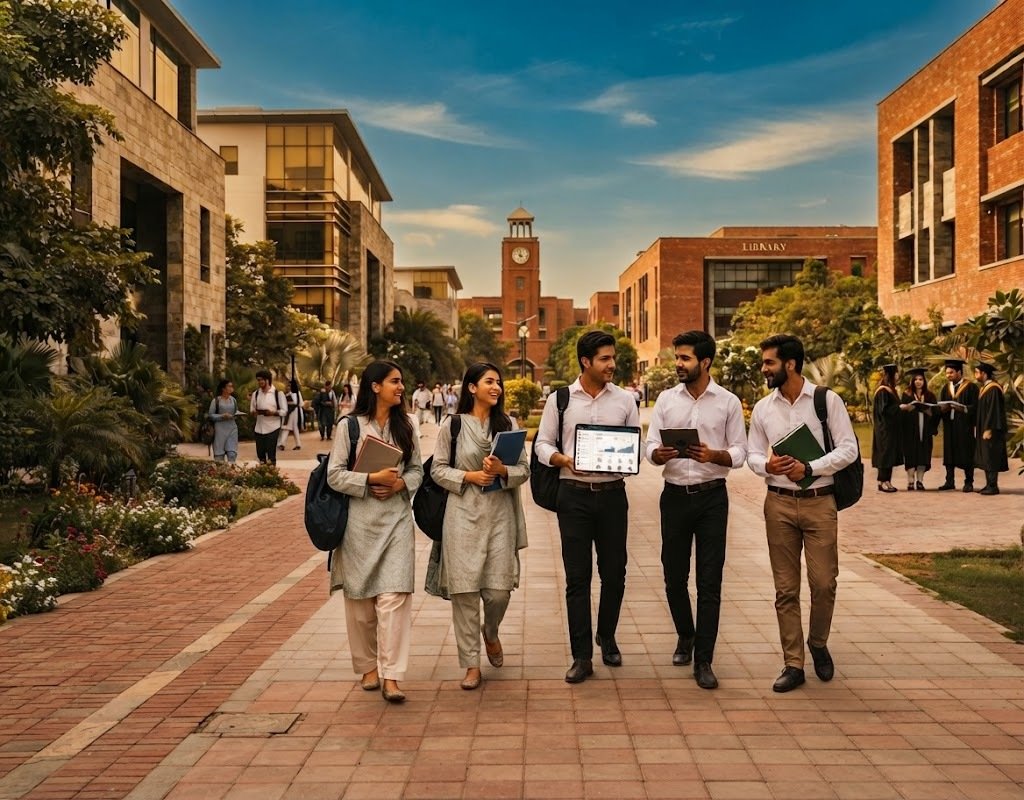
The economic gravity of these cities is staggering. They act as massive magnets for global talent, drawing in millions of international students, tech workers, and financial experts. As a result, the cultural and economic ties between a resident of London and a resident of New York are often stronger than the ties between that Londoner and someone living in rural England. This creates a fascinating geopolitical dynamic where the economic health of a nation is almost entirely dependent on the success of one or two massive urban centers.
As the global population continues to rapidly urbanize, the diplomatic power of the megacity will only increase. Future international agreements regarding carbon emissions, global pandemic responses, and international corporate taxation will likely require the direct participation and consent of these massive municipal governments in order to be successfully implemented.