

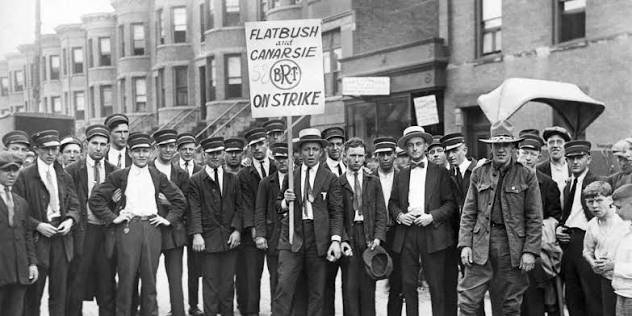
The labor movement is experiencing a level of revitalization and public support not seen in decades. After years of declining membership and waning political influence, unions have thrust themselves back into the center of current affairs through a series of high-profile, highly successful strikes across multiple industries. From Hollywood writers to autoworkers and healthcare professionals, organized labor is aggressively flexing its collective muscle.
The catalyst for this resurgence is a combination of record-breaking corporate profits clashing with severe inflation and stagnant working-class wages. Workers who were deemed “essential” during recent global crises are demanding that their compensation reflect their actual value to the economy. Furthermore, the tight labor market has emboldened employees, giving them the leverage to demand not just better pay, but improved safety conditions, predictable scheduling, and protection against automation.
What makes this modern labor movement unique is its expansion into historically non-unionized sectors. Baristas, warehouse workers, and tech sector employees are successfully organizing grassroots campaigns against some of the wealthiest and most powerful corporations in the world. These young, digitally native organizers are using social media to bypass traditional media narratives, garnering massive public sympathy and funding for their strike funds.
Legislators are closely watching this shift in the cultural wind. Politicians are increasingly aligning themselves with striking workers, realizing that union members represent a highly mobilized and motivated voting bloc. The outcome of these ongoing labor disputes will likely redefine corporate power structures and shape national labor laws for the next generation.