


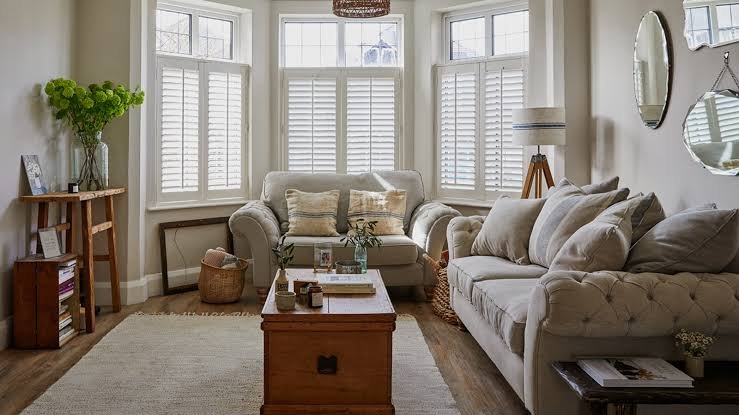
Interior design is often dismissed as a purely aesthetic pursuit—an exercise in picking pretty throw pillows and matching paint swatches. In reality, how you arrange and decorate your living space has a profound, measurable impact on your psychological well-being. The environments we inhabit act as invisible emotional anchors; a chaotic, poorly lit room can induce anxiety and lethargy, while a thoughtfully designed space can instantly lower cortisol levels and spark creativity.
Color psychology is one of the most powerful tools in design. Different hues trigger distinct biological responses. Warm colors like red and orange are highly stimulating, raising heart rates and encouraging conversation, making them great for dining spaces but terrible for bedrooms. Conversely, cool tones like soft blues and muted greens mimic the colors of nature, signaling safety to the brain and promoting deep relaxation.
Lighting is arguably the most critical element of environmental psychology. Harsh, overhead fluorescent lighting can cause headaches and disrupt circadian rhythms, making a house feel like a clinical office. The best interior designs rely heavily on “layered lighting”—a combination of natural sunlight, task lighting for reading, and warm ambient lamps scattered at eye level. This creates a cozy, inviting atmosphere that encourages the body to unwind in the evening.
Finally, the layout and flow of a room dictate how comfortably we move through our lives. Furniture should be arranged to facilitate connection, rather than all pointing toward a television screen. Clutter is also a major psychological barrier; visual noise directly translates to mental noise. By intentionally designing our homes to prioritize light, natural elements, and clear physical pathways, we create restorative sanctuaries that actively support our mental health.