


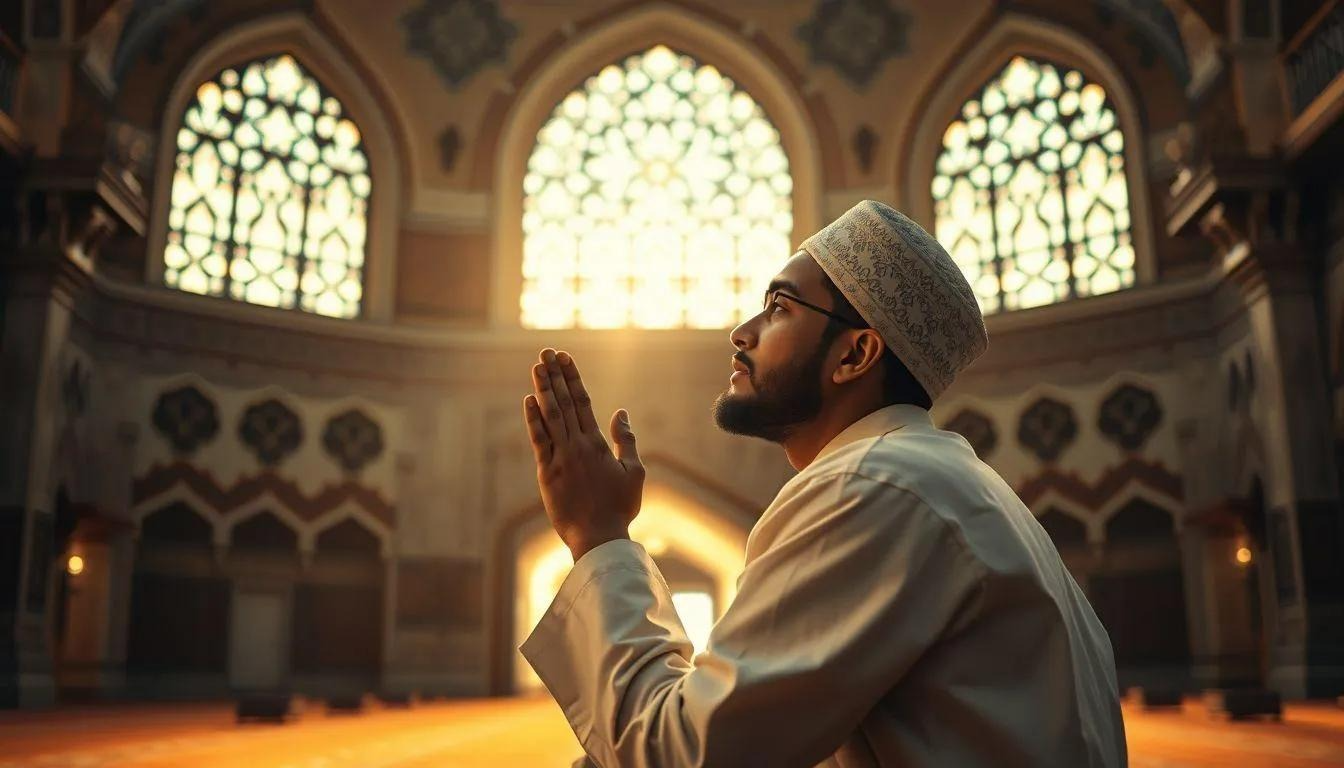
In today’s fast-paced world, where people seek instant success and immediate solutions, patience has become one of the most valuable yet overlooked qualities. In Islam, Sabr (patience) is far more than simply waiting during difficult times. It is a powerful act of faith that reflects trust in Allah’s wisdom, confidence in His plan, and perseverance through life’s challenges. The Holy Quran repeatedly emphasizes patience as a defining characteristic of true believers, reminding Muslims that every hardship carries the potential for spiritual growth and reward.
Every person experiences trials. Some struggle with financial difficulties, others face illness, unemployment, family problems, or emotional pain. Islam teaches that these tests are not signs of Allah’s displeasure but opportunities to strengthen faith and develop resilience. Allah says in the Holy Quran:
“Indeed, Allah is with those who are patient.”
(Surah Al-Baqarah 2:153)
This beautiful verse reminds Muslims that patience is never a lonely journey. When believers remain steadfast during hardship, they are accompanied by Allah’s guidance, mercy, and support.
The greatest example of patience is the life of Prophet Muhammad ﷺ. Throughout his mission, he endured rejection, persecution, personal loss, and immense hardship. Despite these challenges, he continued to treat people with kindness, forgiveness, and compassion. His unwavering patience eventually led to the spread of Islam across the Arabian Peninsula and inspired billions of people throughout history.
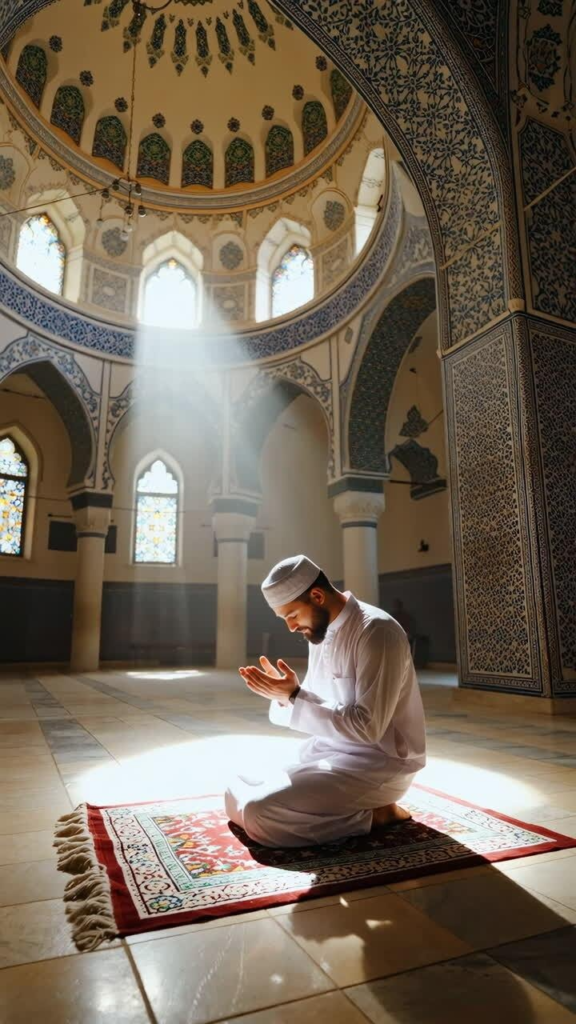
Sabr is not limited to difficult situations. Islamic scholars explain that patience appears in three important forms. The first is remaining patient while obeying Allah’s commands, such as performing daily prayers, fasting during Ramadan, and fulfilling religious responsibilities consistently. The second is exercising patience by avoiding sins and temptations, even when they seem attractive or easy. The third is remaining patient during hardships by accepting Allah’s decree without losing hope or faith.
Modern life presents many situations where Muslims can practice patience. Students preparing for examinations may become discouraged after setbacks. Job seekers may experience repeated rejection before finding suitable employment. Business owners often face financial uncertainty before achieving success. Families encounter disagreements that require understanding rather than anger. In all these circumstances, Islam encourages believers to respond with wisdom instead of frustration.
Patience also contributes to emotional well-being. People who practice Sabr are generally better equipped to manage stress, control anger, and make thoughtful decisions. Rather than reacting impulsively, they learn to pause, reflect, pray, and trust that every difficulty is temporary. Alongside patience, Islam encourages believers to seek practical solutions, make sincere dua, and continue striving for improvement.
The rewards of patience are immense. Allah promises countless blessings for those who remain steadfast during trials. Difficulties eventually pass, but the spiritual rewards earned through patience remain forever. Every hardship endured with faith brings a believer closer to Allah and strengthens their character. In a world filled with uncertainty, Sabr remains one of Islam’s greatest sources of hope. By trusting Allah’s plan, maintaining faith during adversity, and continuing to do good despite challenges, Muslims can transform life’s tests into opportunities for personal growth, spiritual strength, and lasting success. Patience is not weakness—it is one of the strongest expressions of faith a believer can possess.