

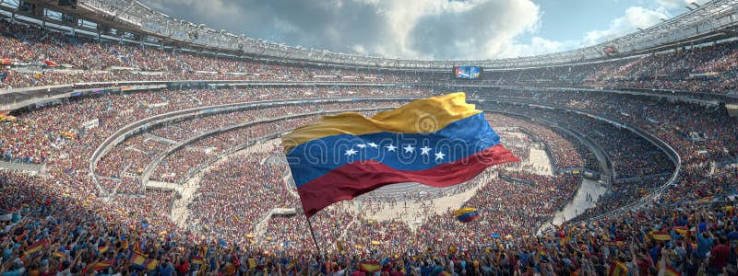
For generations, the global sports landscape was dominated by a select few massive properties: football (soccer), basketball, baseball, and motorsport. These traditional giants monopolized television broadcasting rights and corporate sponsorships, making it incredibly difficult for smaller, regional sports to gain an international foothold. However, the rise of decentralized digital streaming and viral social media algorithms has shattered those old media boundaries, sparking a massive boom for niche sports worldwide.
Sports like padel, kabaddi, cricket in non-traditional regions, and rugby sevens are experiencing unprecedented global growth. Historically, a fan living in North America or Europe would have no way of watching a professional kabaddi match from India or a padel tournament from Spain. Today, specialized streaming platforms and free digital broadcasts allow anyone with an internet connection to discover, follow, and become obsessed with these highly dynamic sports.
Social media serves as the ultimate discovery engine for these athletic disciplines. Short, explosive clips of incredible athletic feats—whether a gravity-defying point in sepak takraw or an intense rally in table tennis—can rack up millions of views overnight on platforms like TikTok and Instagram. These viral moments quickly translate into a dedicated global fanbase, driving demand for local clubs, equipment sales, and international touring events.
This democratization of sports media has forced traditional athletic organizations to adapt. Major sports networks are actively purchasing the broadcasting rights to these rapidly growing niche properties, recognizing that younger demographics prefer fast-paced, non-traditional content. By lowering the barriers to entry and connecting directly with global internet communities, niche sports are successfully redrawing the map of worldwide athletic entertainment.