

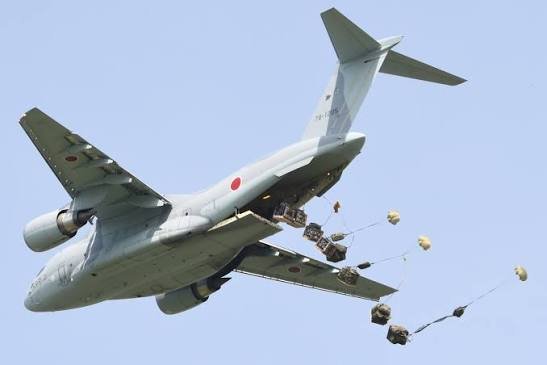
For decades, the standard international response to a humanitarian crisis—whether caused by a natural disaster or armed conflict—was deeply logistical. Massive cargo planes would fly in thousands of tons of rice, bottled water, and blankets, which NGOs would then distribute through complex, often inefficient supply chains. Today, the international humanitarian sector is undergoing a massive paradigm shift, moving away from physical goods and heavily toward the implementation of direct cash transfers.
The logic behind this shift is rooted in both economic efficiency and human dignity. Shipping physical goods across the globe is incredibly expensive and slow. Furthermore, dumping massive amounts of free foreign grain into a crisis zone often destroys the local agricultural economy, putting local farmers out of business just when the region needs them most. Cash transfers, conversely, allow aid agencies to inject money directly into the local economy almost instantly via mobile phone networks.
Providing unconditional cash empowers the recipients to make their own decisions about their survival. Traditional aid models assume that every family in a crisis zone needs the exact same sack of flour. In reality, one family might desperately need medicine, another might need to pay for transportation to flee a conflict zone, and another might need tools to rebuild their home. Cash provides the ultimate flexibility, treating the recipients as capable decision-makers rather than passive victims.
While physical aid is still absolutely necessary in the immediate aftermath of total infrastructure collapse, the rapid expansion of global digital banking and mobile money platforms has made cash aid the preferred long-term solution. As international crises become increasingly complex and protracted, this modernized approach ensures that limited donor funds are utilized as efficiently and respectfully as possible.