


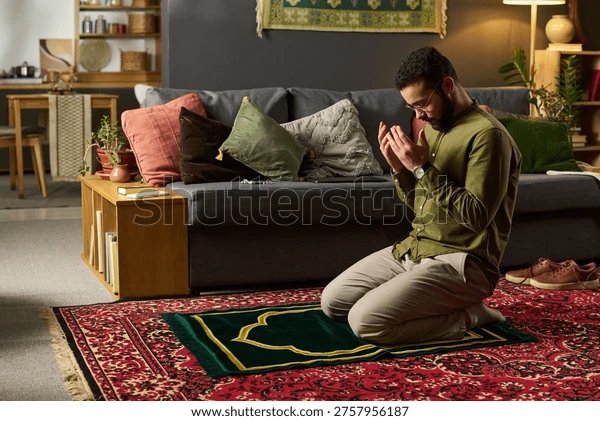
In the fast-paced, instant-gratification culture of the modern world, the Islamic concept of Sabr offers a deeply necessary counterbalance. Often translated simply as “patience,” Sabr encompasses a much broader and more active psychological state. It is not merely the act of waiting for a difficult time to pass, but rather a profound resilience and steadfastness in the face of adversity. It involves maintaining one’s moral compass and spiritual composure when life becomes turbulent.
A common misconception is that Sabr equates to passive resignation or accepting injustice without a fight. In Islamic theology, true Sabr is deeply proactive. It means taking all necessary, practical steps to improve a difficult situation while simultaneously trusting that the ultimate outcome rests with a higher power. This dual approach prevents the individual from falling into despair while also guarding against the arrogance of believing they control every variable in their life.
Applying this concept to daily life can drastically reduce anxiety and stress. When facing a professional setback, a personal loss, or even minor daily frustrations like traffic, practicing Sabr forces a mental pause. It allows an individual to react with emotional regulation rather than impulsive anger. By viewing challenges as temporary tests designed to build character, the emotional weight of daily struggles is significantly lightened.
Ultimately, the practice of Sabr is tied to immense spiritual rewards in Islamic tradition. It teaches that enduring hardship with grace purifies the soul and elevates one’s character. In an era marked by constant complaints and a desire for immediate fixes, adopting the quiet, enduring strength of Sabr provides a grounding, peaceful anchor for the mind and spirit.