
For decades, the path to a successful career in stand-up comedy was rigid and carefully gatekept. A comic had to spend years grinding in local clubs, hoping to catch the eye of a powerful booker or a television network executive who could grant them a coveted late-night slot or a televised special. Today, that old framework has been entirely dismantled, bypassed by comedians who have mastered the art of self-distribution.
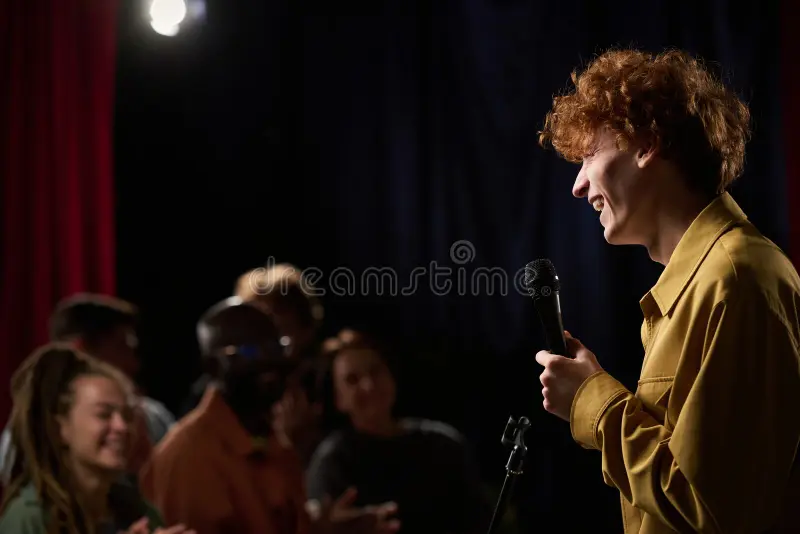
The primary catalyst for this shift is the explosion of short-form video algorithms on platforms like TikTok and Instagram. Comedians have realized that posting short, punchy clips of crowd-work—spontaneous interactions with audience members—is the fastest way to build a massive global following. Because crowd-work doesn’t burn through their tightly written, structured material, it serves as the ultimate viral marketing tool.
This direct-to-consumer relationship has shifted the financial power completely back into the hands of the artists. Instead of begging networks for a special, modern comics are renting out historic theaters, filming their own sets independently, and uploading them straight to YouTube for free. These self-produced specials regularly rack up millions of views, generating substantial ad revenue and selling out worldwide touring dates without any mainstream media backing.
This democratization has also led to a much wider variety of comedic voices finding their specific audiences. Comics no longer need to appeal to a broad, homogenized network television demographic. They can speak directly to niche communities, subcultures, and international fans who connect with their specific life experiences. Stand-up comedy is more decentralized, profitable, and accessible than ever before.