


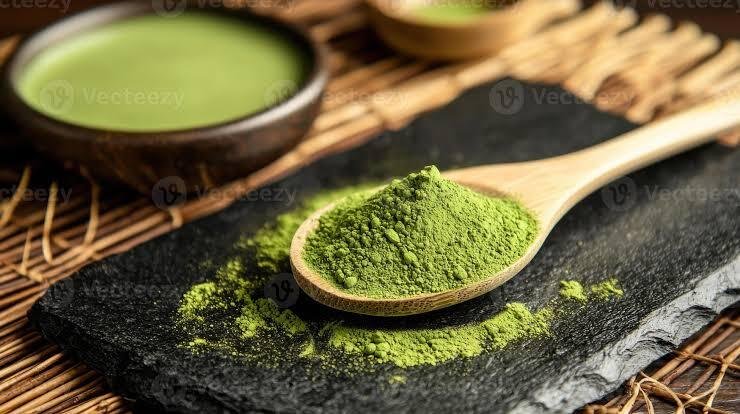
Walk down the aisle of any health food store, and you will be bombarded with the term “superfood.” From exotic Himalayan goji berries to Peruvian maca powder, these products are often aggressively marketed as miracle cures capable of preventing disease and reversing aging. However, from a scientific and medical standpoint, the term “superfood” is entirely meaningless. It is a marketing buzzword designed to justify premium price tags for specific agricultural products.
That being said, the foods typically slapped with this label are generally quite healthy. They are usually raw, plant-based foods that are exceptionally dense in micronutrients, antioxidants, and vitamins per calorie. Antioxidants are particularly important because they help neutralize free radicals in the body, which are unstable molecules that damage cells and contribute to chronic inflammation and disease. Consuming nutrient-dense foods is absolutely a cornerstone of good health.
The problem arises when consumers believe that adding a teaspoon of expensive spirulina to an otherwise highly processed diet will act as a magic shield against poor health choices. Furthermore, the hyper-focus on exotic, imported superfoods often overshadows the immense nutritional value of everyday, affordable produce. Common items like spinach, broccoli, blueberries, and even regular black beans boast nutritional profiles that rival or exceed those of heavily hyped superfoods.
A truly healthy diet does not rely on a handful of expensive, trendy ingredients. Instead, it relies on diversity. Eating a wide variety of colorful fruits, vegetables, legumes, and whole grains ensures that your body receives the broad spectrum of vitamins and minerals it requires to function optimally. By looking past the marketing hype, you can build a highly nutritious, “super” diet at your local grocery store without breaking the bank.