


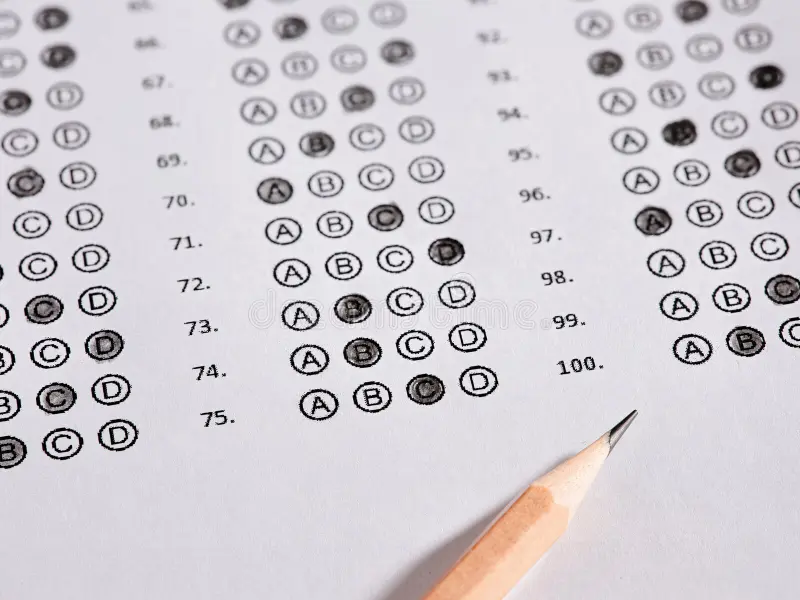
For decades, standardized tests like the SAT and ACT were the undisputed gatekeepers of higher education. A student’s entire academic worth was often condensed into a single, high-stakes score that determined their university prospects. However, a growing movement within the educational community is actively questioning the validity, fairness, and necessity of these exams.
Critics of standardized testing point to a mountain of data suggesting that these scores correlate more strongly with a family’s socioeconomic status than with a student’s innate intelligence or future college success. Wealthier families can afford expensive test-prep tutors and multiple retakes, creating an uneven playing field. Furthermore, the pressure of these exams has led to a “teach to the test” mentality in high schools, stifling creative curriculum design.
The COVID-19 pandemic served as a massive catalyst for change, forcing thousands of universities to temporarily adopt “test-optional” admission policies. To the surprise of many traditionalists, admissions departments found that they could successfully build diverse, highly capable freshman classes by relying on holistic reviews—evaluating GPA, essays, extracurriculars, and teacher recommendations—without needing a standardized score.
As we move forward, it is highly likely that test-optional policies will become permanent fixtures at a majority of institutions. While standardized tests may not disappear entirely, they are rapidly losing their status as the ultimate metric of student potential. This shift promises a more equitable admissions process that values the entirety of a student’s high school career over a single Saturday morning exam.