

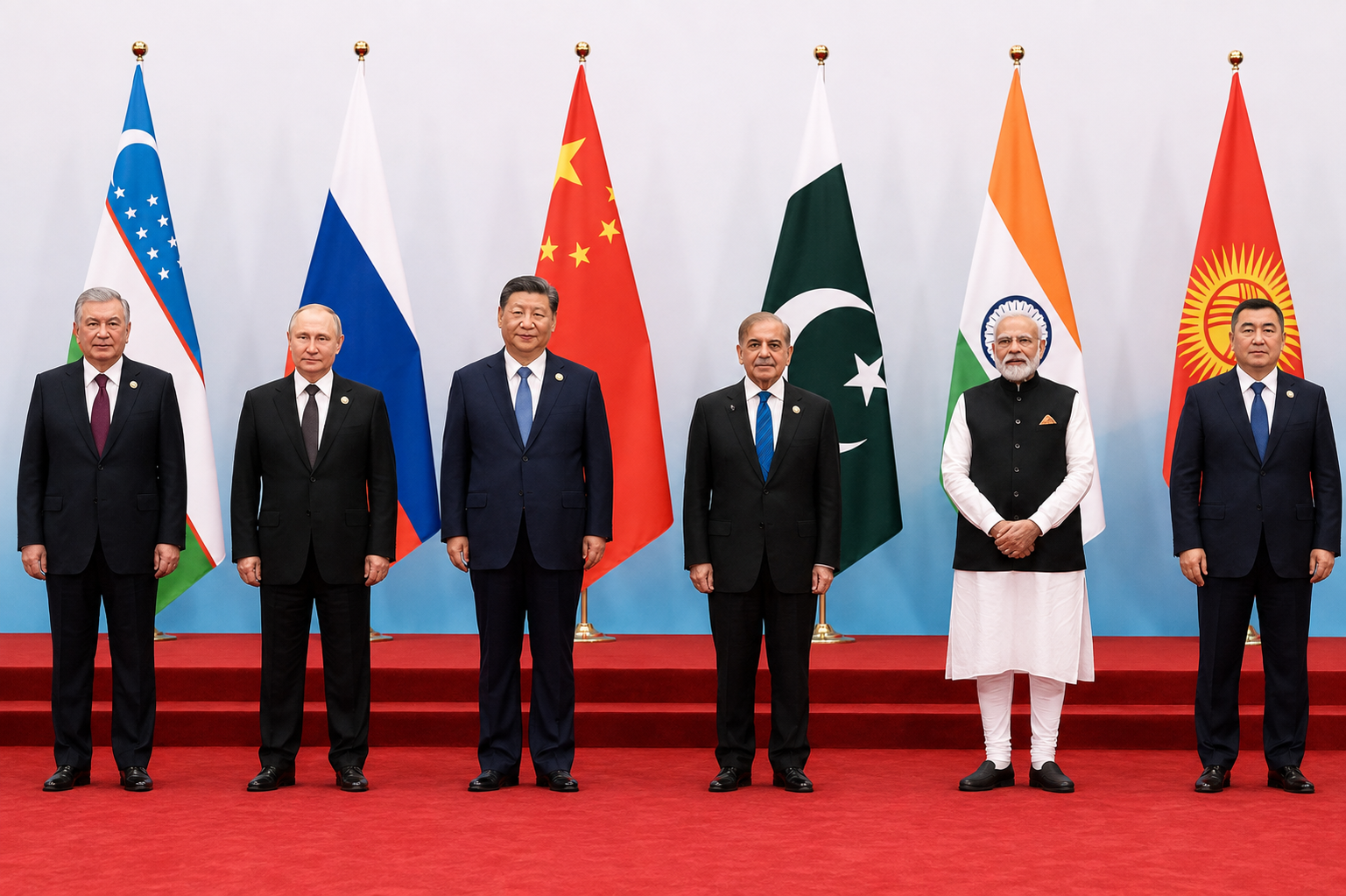
Prime Minister Shehbaz Sharif’s appearance at the Shanghai Cooperation Organisation summit in Bishkek came at an important moment for Pakistan’s foreign policy.
The gathering brought together some of the world’s most influential leaders, including China’s Xi Jinping, Russia’s Vladimir Putin, India’s Narendra Modi, Türkiye’s Recep Tayyip Erdoğan and Iran’s Masoud Pezeshkian. For Pakistan, however, the summit carried additional significance: Islamabad has now assumed the chairmanship of the SCO Council of Heads of State for 2026–27.
This places Pakistan in a prominent diplomatic position at a time when relations between major global powers are becoming increasingly complicated.
During his address, Shehbaz presented Pakistan as a country seeking greater regional cooperation rather than confrontation. He spoke about terrorism, trade, connectivity, technology and regional security, while also delivering a strong message on water disputes.
The prime minister said shared water resources should never be weaponised or used as political leverage, arguing that international agreements governing water must be respected.
Regional peace was another major theme.
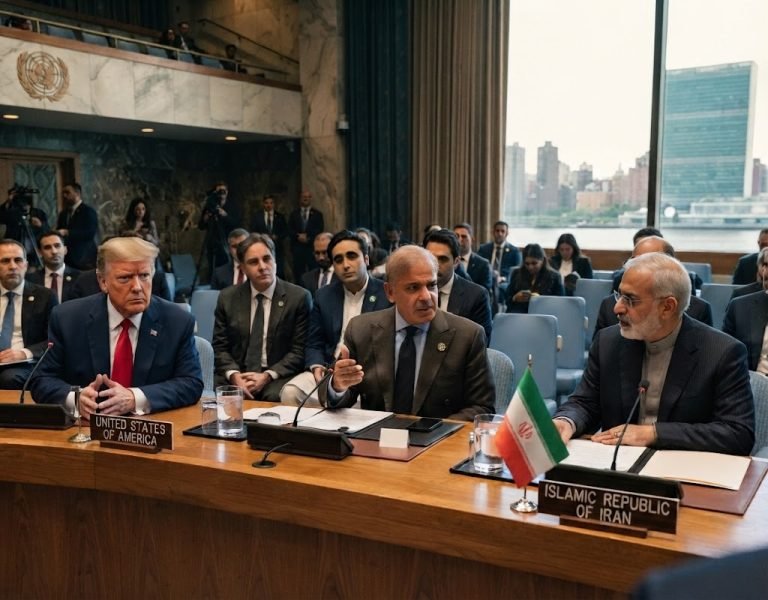
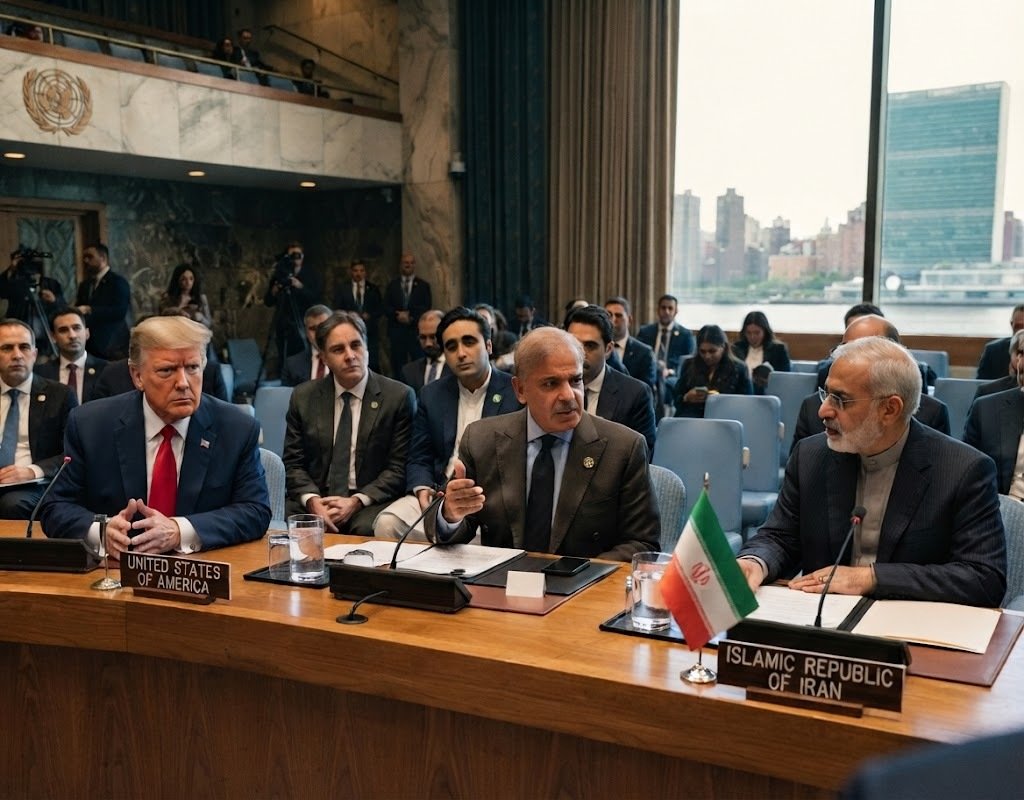
Shehbaz highlighted Pakistan’s diplomatic efforts surrounding tensions between Iran and the United States and described dialogue as the most sustainable route towards stability. He also stressed that Pakistan’s defence arrangement with Türkiye and Saudi Arabia is defensive and not directed against another country.
Beyond his formal speech, the summit gave Shehbaz an opportunity to interact with several major international leaders. He held or participated in engagements involving Putin, Pezeshkian and other regional leaders as Pakistan attempted to strengthen its position between South Asia, Central Asia, China, Russia and the Middle East.
But perhaps the most important development will come after Bishkek.
Pakistan is expected to host the next SCO Council of Heads of State meeting in Islamabad in 2027. That means some of the world’s most powerful leaders could potentially gather in Pakistan for one of the region’s biggest diplomatic events.
Chairing a major international organisation, however, brings expectations as well as prestige.
Pakistan will now have to translate diplomatic visibility into practical outcomes — stronger trade, investment, regional connectivity and meaningful cooperation.
For Shehbaz Sharif, Bishkek was therefore more than another international summit.
It was the beginning of a year in which Pakistan will have a larger seat at one of the most important tables shaping the future of Asia.
Disclaimer: This post by Gazette Pak is for informational purposes only and is based on publicly available reports. It does not imply endorsement of any political party, individual, organization, or viewpoint.
AI-generated visual used for illustration only