

Finance Minister Muhammad Aurangzeb Confirms Extension as Pakistan Works to Protect Foreign Reserves, Manage External Debt and Strengthen Its Economy
ISLAMABAD — November 5, 2026
Pakistan has received important financial support from Saudi Arabia after Riyadh agreed to extend its additional $3 billion financing facility, giving Islamabad more time to manage its foreign debt payments and protect its foreign exchange reserves.
The development comes at a time when Pakistan is facing major external financing requirements and working to reduce pressure on its economy.
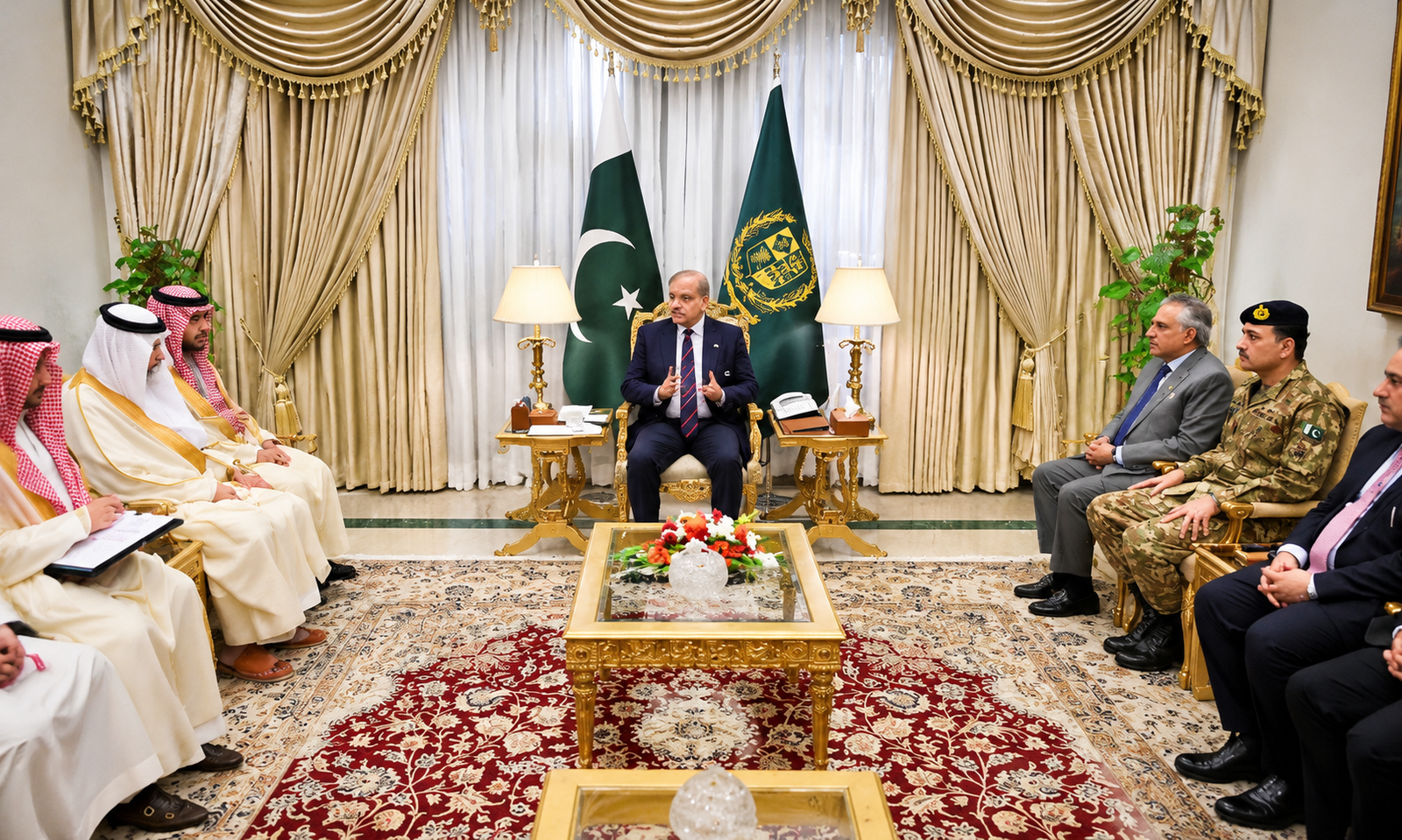
Finance Minister Muhammad Aurangzeb confirmed the extension while speaking to journalists at Parliament House.
He said Saudi Arabia had extended the financing for a “reasonable period” but did not announce a new repayment date.
For Pakistan, the decision is important because the country needs to manage billions of dollars in international payments while maintaining enough foreign currency to pay for imports and other financial obligations.
Why Did Saudi Arabia Extend the $3 Billion Deposit?
The additional $3 billion financing was arranged in April 2026 when Pakistan faced pressure to repay $3.5 billion to the United Arab Emirates.
Saudi Arabia provided the financial support to help Pakistan manage the gap created by the repayment.
The facility was initially provided for a short period and reached its maturity date on October 31, 2026.
Without an extension, Pakistan would have faced another major repayment requirement at a time when it was already managing several external financial obligations.
Finance Minister Muhammad Aurangzeb confirmed that Saudi Arabia had agreed to extend the facility.
He described the extension as being for a reasonable period and referred to the strong strategic relationship between Pakistan and Saudi Arabia.
However, the exact duration of the new extension has not been officially announced.
Pakistan’s Foreign Debt Repayments Remain a Major Challenge
The Saudi financial support comes as Pakistan continues to manage large external debt repayments.
During a meeting of the Senate Standing Committee on Finance, Finance Secretary Imdadullah Bosal shared details about the country’s external financing requirements.
According to the briefing, Pakistan faces approximately $21.5 billion in external financing requirements during the current financial year.
This includes around $17.5 billion in principal debt repayments.
Out of this amount, approximately $10.5 billion is expected to be rolled over by bilateral and commercial creditors.
The government has already repaid around $5 billion during the first four months of the financial year, according to the finance secretary’s briefing.
These figures show why Pakistan continues to seek extensions and refinancing arrangements with international partners.
Saudi Arabia Has Also Extended Its Separate $5 Billion Deposit
Saudi Arabia’s financial support to Pakistan includes more than one arrangement.
Apart from the additional $3 billion financing facility, the Kingdom has an existing $5 billion deposit with the State Bank of Pakistan.
Finance Minister Muhammad Aurangzeb confirmed that this separate $5 billion facility has been extended until 2028.
Both arrangements are important for Pakistan’s foreign exchange reserves and external financial position.
The distinction matters because the $3 billion extension announced in November is not the same as the previously extended $5 billion deposit.
Together, these arrangements reflect Saudi Arabia’s continued financial support for Pakistan.
Pakistan Says It Can Manage Without the Proposed $10 Billion US Facility
Another important part of the latest economic development is Pakistan’s proposed $10 billion liquidity support facility from the United States.
Pakistan had requested the facility in July 2026 to improve its access to international financial support.
However, Finance Minister Muhammad Aurangzeb said the government would continue its economic plans even if the proposed US facility did not materialise.
He explained that the government was now focusing on other financing options, including international bonds and capital markets.
Pakistan also raised $3 billion through an international bond issuance in September 2026. The order book for the issuance reached $6 billion, according to the finance minister.
The government is also exploring Eurobonds, Panda bonds and other financing options to manage future payments.
This approach is aimed at reducing dependence on short-term borrowing and spreading repayment obligations over longer periods.
What Does the Saudi Extension Mean for Pakistan’s Economy?
The extension gives Pakistan additional time to manage its foreign debt obligations without immediately returning the $3 billion financing.
It can also help support foreign exchange reserves and reduce short-term pressure on external payments.
However, a rollover does not mean that the debt has been cancelled.
Pakistan will still need to manage its financial obligations and arrange funds for future repayments.
The government has also said that foreign exchange reserves currently provide around three months of import cover, with a target of increasing this to four months by the end of the current financial year.
The country’s ability to improve exports, attract investment, control imports and manage debt will remain important for long-term economic stability.
Pakistan’s Financial Future Depends on More Than Foreign Support
Saudi Arabia’s latest decision provides important financial breathing space, but Pakistan’s economic challenges require long-term solutions.
Repeatedly extending foreign deposits can help a country manage immediate repayment pressure, but it does not remove the need to strengthen the economy.
Pakistan needs stronger exports, more foreign investment, better tax collection and a stable business environment to reduce its dependence on external financial support.
For now, the $3 billion Saudi extension gives Islamabad more time to manage its financial commitments.
The real challenge will be using this time to improve the country’s financial position so that future economic stability depends increasingly on Pakistan’s own earnings, investment and productive growth rather than repeated debt extensions.