


Pakistan has made a significant return to international capital markets, raising $3 billion through what the government describes as the country’s largest-ever international bond transaction.
The dual-tranche Eurobond attracted nearly $6 billion in orders from international investors — almost twice the amount Pakistan eventually raised. For a country that only a few years ago was struggling with depleted foreign exchange reserves and fears of default, the response represents an important shift in market sentiment.
The transaction included a 10-year bond that attracted particularly strong demand, with a yield of 7.9 percent.
But the bigger story is not simply the $3 billion Pakistan has borrowed.
It is whether international investors are beginning to look at Pakistan differently.
Over the past few years, Pakistan has worked to restore macroeconomic stability under an IMF-backed reform programme. The government has also been pushing ahead with privatisation, energy-sector reforms and efforts to attract foreign investment.
There are signs that international financial institutions are paying attention.
The World Bank is preparing a proposed $300 million programme designed to help Pakistan move from economic stabilisation towards investment-led growth. The programme is expected to focus on removing obstacles to private investment, increasing exports and creating employment.
At the same time, Pakistan is aggressively looking for investment beyond traditional borrowing.
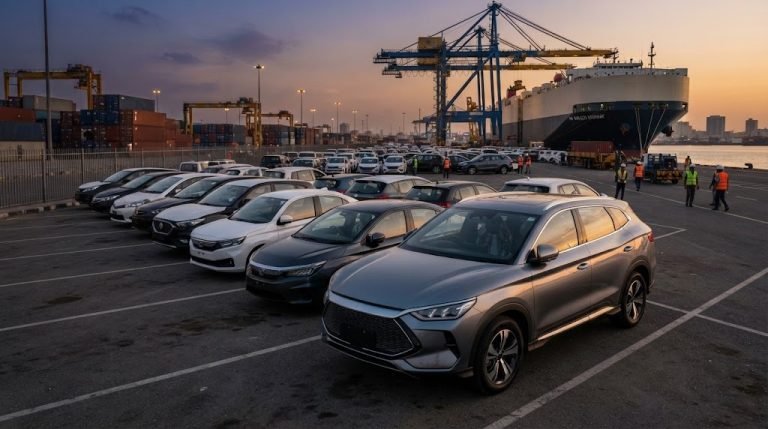
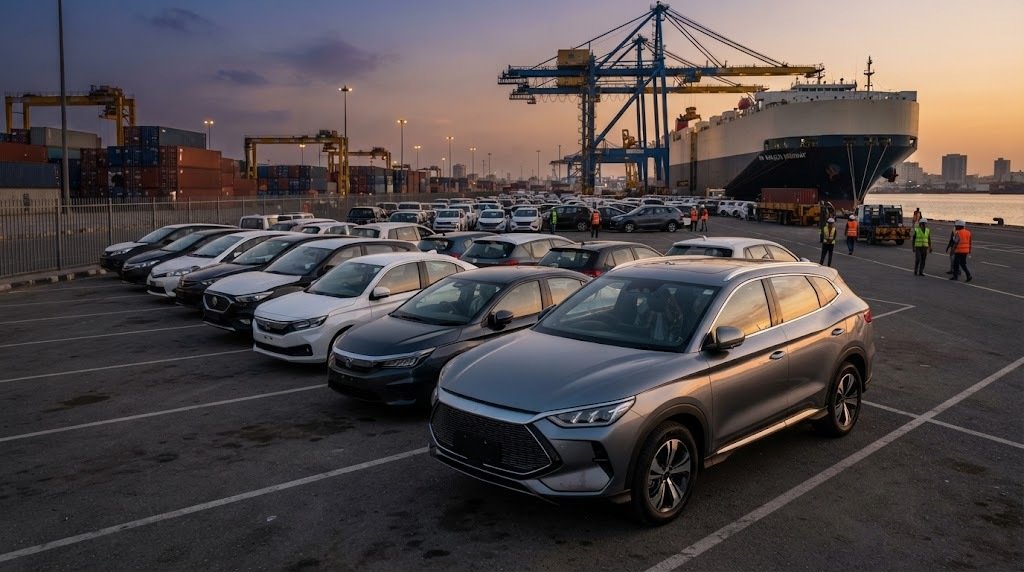
This week, a Pakistan Investment and Business Environment Exchange Forum in Guangzhou resulted in five memorandums of understanding covering areas including electric vehicles, battery manufacturing, construction materials and medical and business tourism.
Pakistan is also attracting foreign interest in its privatisation programme. Turkish, Saudi and Pakistani investors have expressed interest in acquiring stakes in electricity distribution companies, another indication that major assets are beginning to attract private capital.
Still, one successful bond sale cannot answer Pakistan’s deeper economic problems.
The country continues to face high debt obligations, an insufficient export base, energy-sector weaknesses and a difficult environment for many private businesses.
Pakistan’s next economic test, therefore, is bigger than successfully borrowing from international markets.
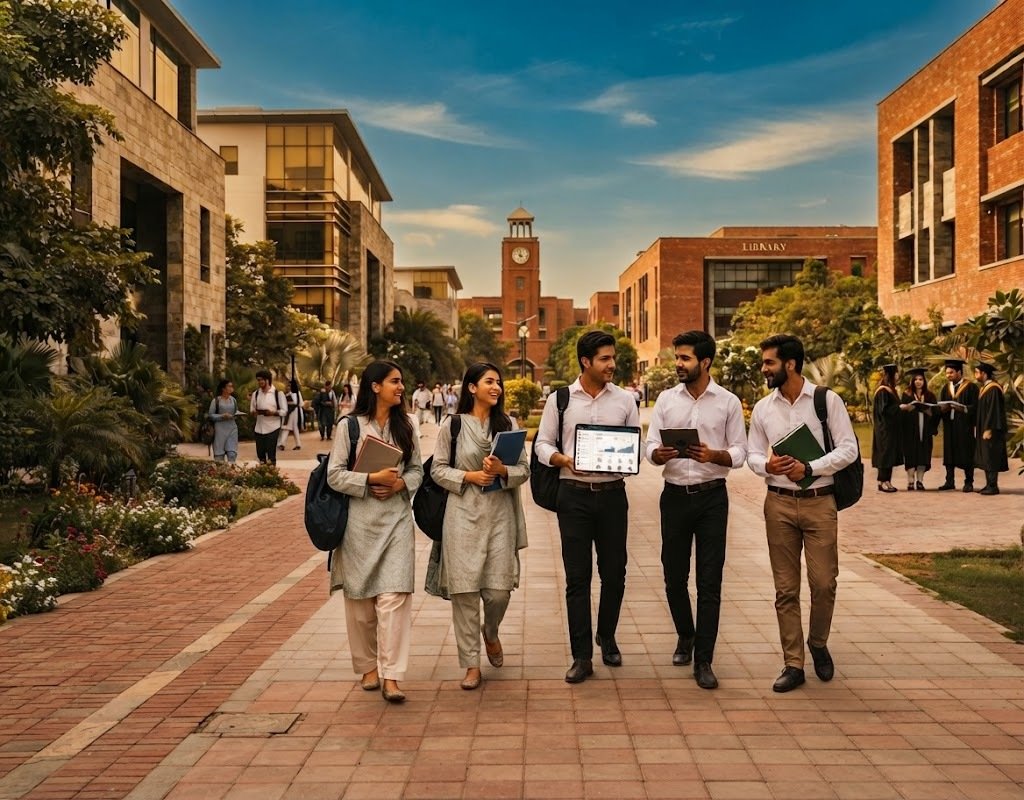
If renewed global confidence can translate into factories, technology investment, infrastructure, exports and sustainable private-sector jobs, 2026 could mark an important economic turning point.
If Pakistan simply replaces old borrowing with new borrowing, however, the fundamental challenge will remain.
The $3 billion Eurobond is a vote of confidence. What Pakistan does with that confidence will matter much more.