


Pakistan is facing a very difficult choice as fighting between Saudi Arabia and Yemen’s Houthi group becomes more dangerous. In recent days, Houthi drones and missiles have hit Saudi cities and energy sites, leaving dozens of civilians injured. Saudi Arabia has answered with attacks in Yemen. There are now growing fears that the fighting could spread across the Middle East.
For Pakistan, this is not just another international story. Pakistan and Saudi Arabia have close political, economic and defence relations. Millions of Pakistanis work in Gulf countries and send money back home. Saudi investment, financial help and oil supplies are also important for Pakistan. A new defence agreement between Pakistan, Saudi Arabia and Türkiye has made the situation more serious. Under this agreement, an attack on one country may be treated as an attack on all three.
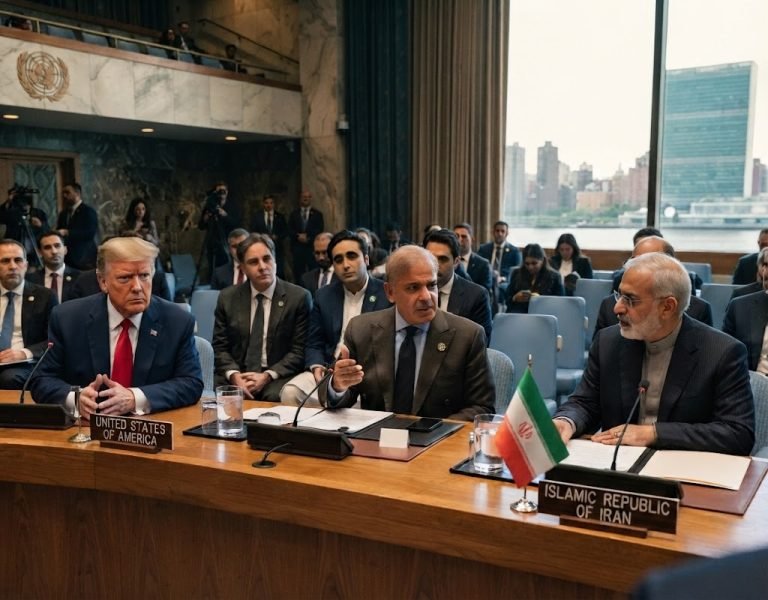
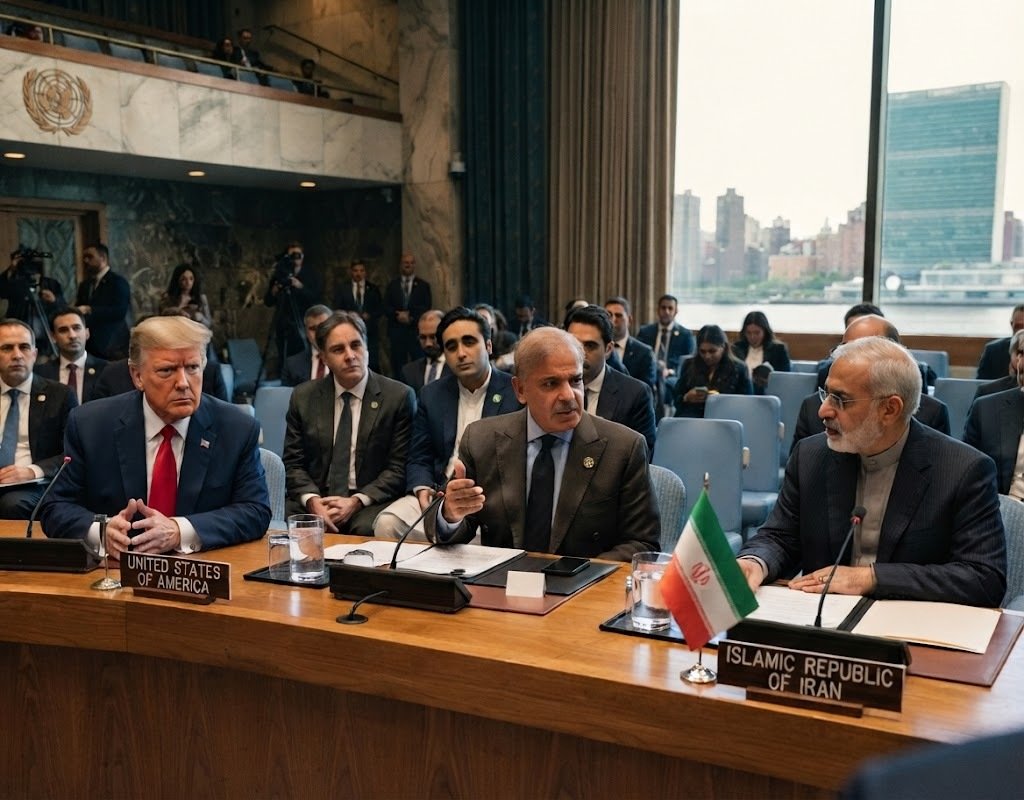
However, Pakistan also has a long border with Iran. A serious dispute with Tehran could create new security, trade and border problems for Pakistan. This means Islamabad must move very carefully. It wants to support Saudi Arabia’s security, but it does not want to become part of a wider regional war.
So far, Pakistan has taken a careful approach. The government has strongly condemned the Houthi attacks and supported Saudi Arabia’s right to protect its land and people. At the same time, Pakistan officials have said that no military action under the defence agreement has been discussed. Pakistan has also contacted Iran and asked it to help reduce tensions.
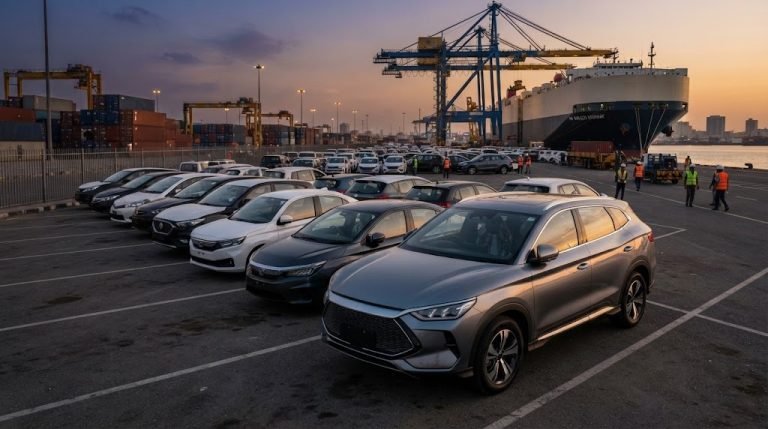
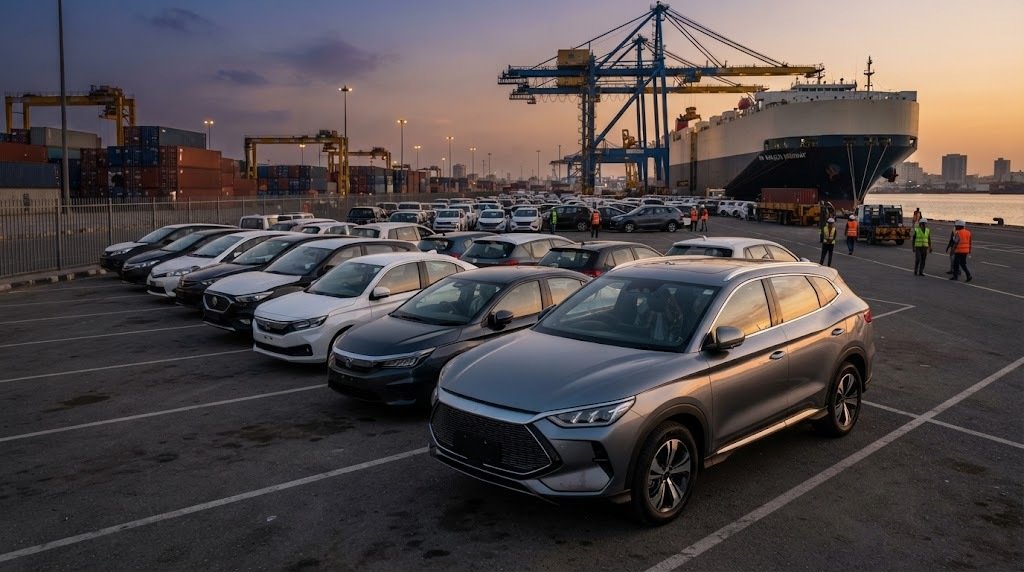
The biggest concern for ordinary Pakistanis may be the economic impact. If shipping is disturbed in the Red Sea, Bab el-Mandeb Strait or Gulf, global oil prices could rise quickly. Pakistan imports most of its fuel, so expensive oil would increase petrol prices, transport fares, electricity costs and inflation. Families already struggling with household expenses could face even more pressure.
Pakistan’s best option is to work for peace. It should continue supporting Saudi security while encouraging all sides to talk. It should also protect commercial ships, prepare emergency fuel plans and strengthen security along its borders.
This crisis is a major test of Pakistan’s foreign policy. The country must support its friends, protect its own economy and maintain peaceful relations with its neighbours. Calm decisions and clear limits are now more important than emotional promises. What Pakistan does next could shape its position in the region for many years and directly affect its people.