

Bilawal Bhutto’s warning sparks a fresh debate over Karachi’s future, provincial rights, and better governance.
Karachi is Pakistan’s largest city and one of its most important economic centres. It is home to millions of people, major industries, financial institutions, and the country’s busiest seaports. Yet, despite its economic importance, the city continues to face serious problems, including broken roads, water shortages, poor drainage, traffic congestion, and weak public services.
A recent statement by Pakistan Peoples Party (PPP) Chairman Bilawal Bhutto Zardari has brought the debate over Karachi’s political future back into the spotlight.
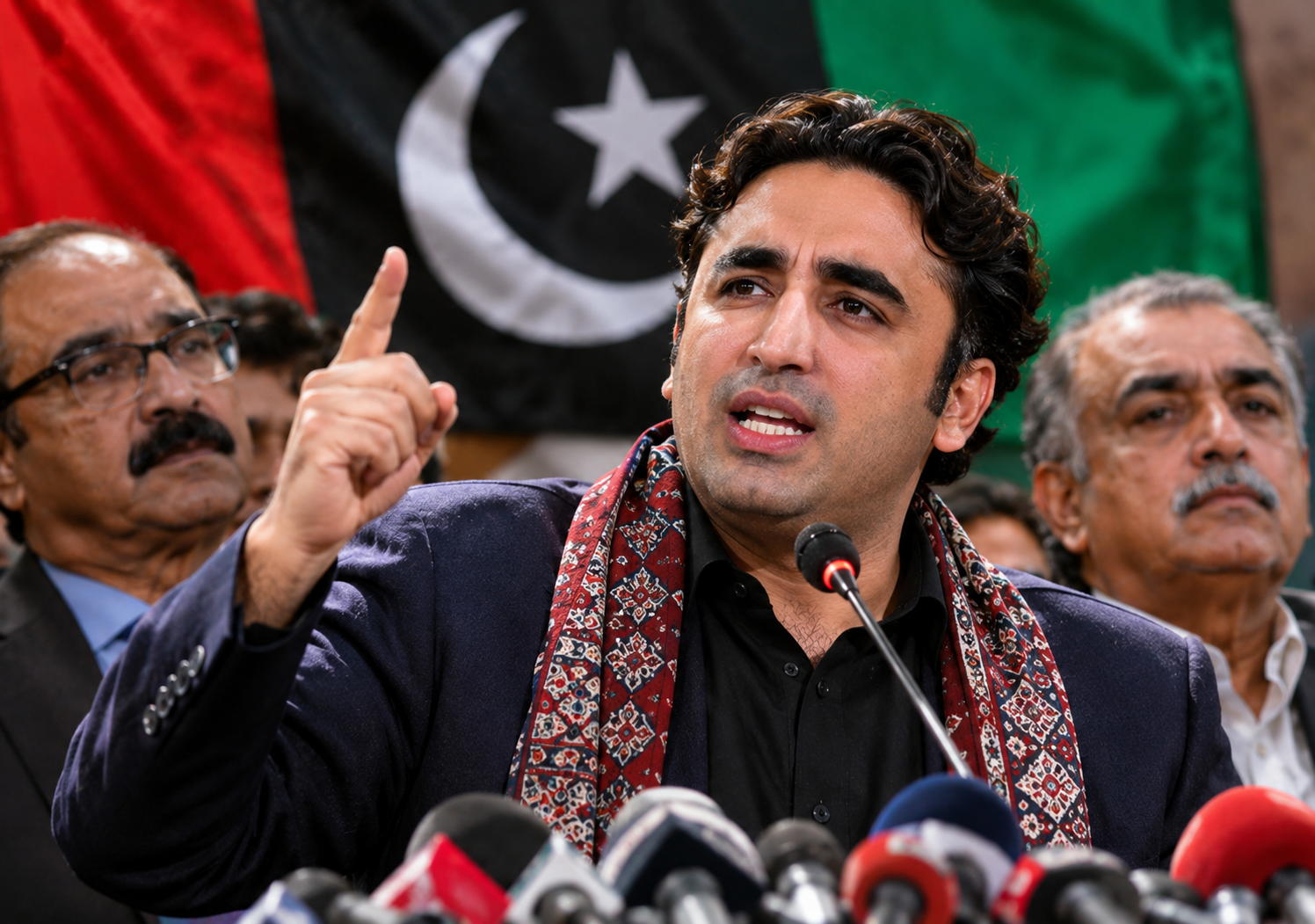
Speaking at the Karachi Press Club, Bilawal reportedly warned that forcibly dividing Sindh could create serious unrest and even violence in Karachi. He also opposed proposals involving a referendum on new provinces.
His statement reflects the PPP’s long-standing position that Sindh’s territorial unity should be protected. However, it also raises an important question: Would Karachi benefit from becoming a separate province with its own government and administrative powers?
Why Do Some People Want Karachi to Become a Separate Province?
Supporters of a separate Karachi province argue that the city needs a government focused entirely on its problems.
Karachi generates significant economic activity, but many residents believe that development has not kept pace with the city’s growing population and needs.
A separate provincial administration could potentially give Karachi greater control over development planning, public transport, infrastructure, healthcare, education, and municipal services.
Instead of depending on decisions made at the provincial level in Sindh, Karachi could have its own elected provincial assembly, government departments, and budget priorities.
Supporters believe this could make decision-making faster and improve accountability.
Five Possible Benefits for Karachi
1. Better Infrastructure: A dedicated provincial government could focus on repairing roads, improving drainage systems, and modernising public infrastructure.
2. Improved Water Supply: Karachi could develop a coordinated strategy to address water shortages, illegal connections, and distribution problems.
3. Stronger Public Transport: Greater administrative control could help expand bus networks, improve traffic management, and complete delayed transport projects.
4. Economic Development: A more focused government could encourage investment, create business opportunities, and support employment.
5. Greater Accountability: Residents could hold their provincial representatives directly responsible for decisions affecting Karachi.
However, these benefits would not happen automatically. They would depend on effective leadership, transparent spending, and strong institutions.
Why Does the Sindh Government Oppose the Idea?
The PPP and many supporters of Sindh’s unity view the province as a historical, cultural, and political identity that should remain intact.
They argue that separating Karachi could weaken Sindh’s economic position, create disputes over resources, and increase political and ethnic tensions.
These concerns deserve serious consideration.
Karachi is not only an economic centre; it is also a city where people from different communities, languages, and backgrounds live together. Any decision about its future must protect the rights of all residents.
Furthermore, creating a new province would require major constitutional changes, including the approval required under Article 239 of Pakistan’s Constitution.
Could Karachi Become a Better City?
A separate province could offer Karachi new opportunities, but it would not guarantee success.
Good governance matters more than simply changing administrative boundaries.
Even without provincial separation, Karachi could benefit from stronger local governments, greater financial powers, transparent development budgets, and better coordination between federal, provincial, and municipal authorities.
The real priority should be improving everyday life for Karachi’s residents.
The Way Forward
Karachi deserves modern infrastructure, reliable public services, economic opportunities, and accountable leadership.
At the same time, Sindh’s historical identity and the concerns of communities across the province cannot be ignored.
Rather than allowing the debate to create confrontation, political leaders should encourage peaceful discussion, constitutional solutions, and meaningful administrative reforms.
Karachi’s future should be decided through democratic dialogue, not political threats or division among communities.
Whether Karachi remains part of the existing provincial structure or eventually receives a different administrative status, the ultimate goal must remain the same: a safer, cleaner, better-managed, and more prosperous city for everyone.