


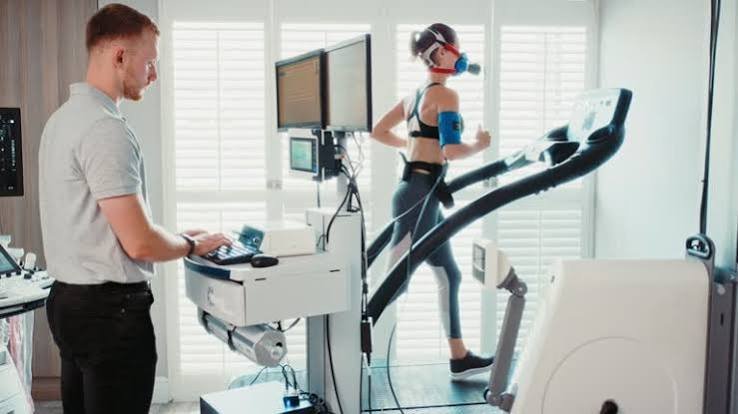
The greatest threat to any sports team’s championship aspirations is not a formidable opponent, but the injury bug. Losing a star player to a torn ligament or a chronic muscle strain can instantly derail a multi-million-dollar season. To mitigate this risk, sports science departments have turned to cutting-edge wearable technology and biometric monitoring to predict and prevent physical breakdowns before they manifest on the field.
Modern training facilities utilize a massive array of sensory equipment. Athletes routinely practice in smart garments woven with biometric sensors that measure real-time muscle activation, heart rate variability, and sweat composition. Combined with force-plate technology that analyzes jumping mechanics and running gaits, sports scientists can easily identify subtle physical asymmetries or kinetic imbalances that could lead to an impending injury.
The primary metric driving modern sports science is workload management. By tracking the total physical stress an athlete endures during practices—calculated through total distance run, acceleration spikes, and mechanical load—coaches can precisely determine when a player is entering the dangerous “overtraining zone.” If the data indicates that a player’s muscles are severely fatigued, they are given mandatory rest or recovery days, a practice commonly known as load management.
While some traditional fans complain that load management deprives them of seeing their favorite stars play every game, the long-term benefits are undeniable. Career longevities are extending across all major sports, allowing elite athletes to play at a high level well into their late thirties. By utilizing data to protect the physical longevity of players, sports science is fundamentally changing the economics and duration of professional athletic careers.