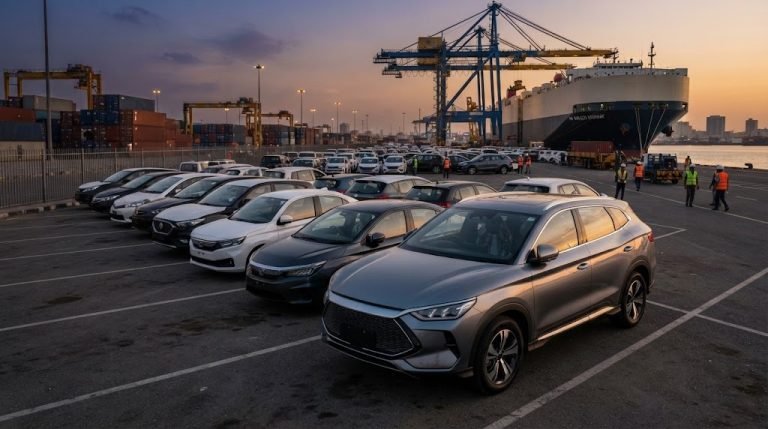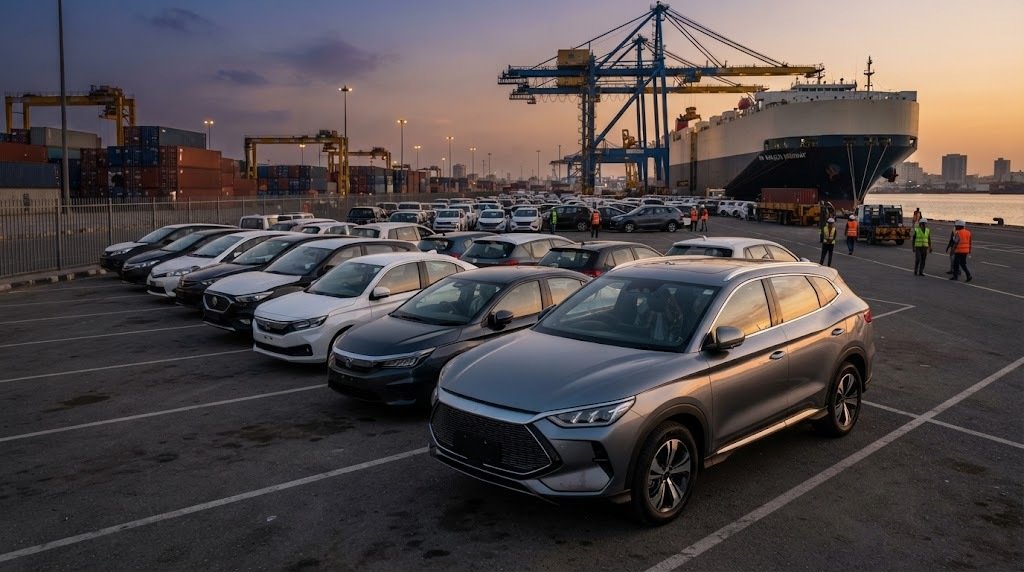


For decades, Pakistan’s economic relationship with China has been easy to see in markets across the country. From electronics and machinery to solar equipment and vehicles, Chinese products have become part of everyday Pakistani commerce.
The bigger opportunity now is very different: what if more of those products were actually made in Pakistan?
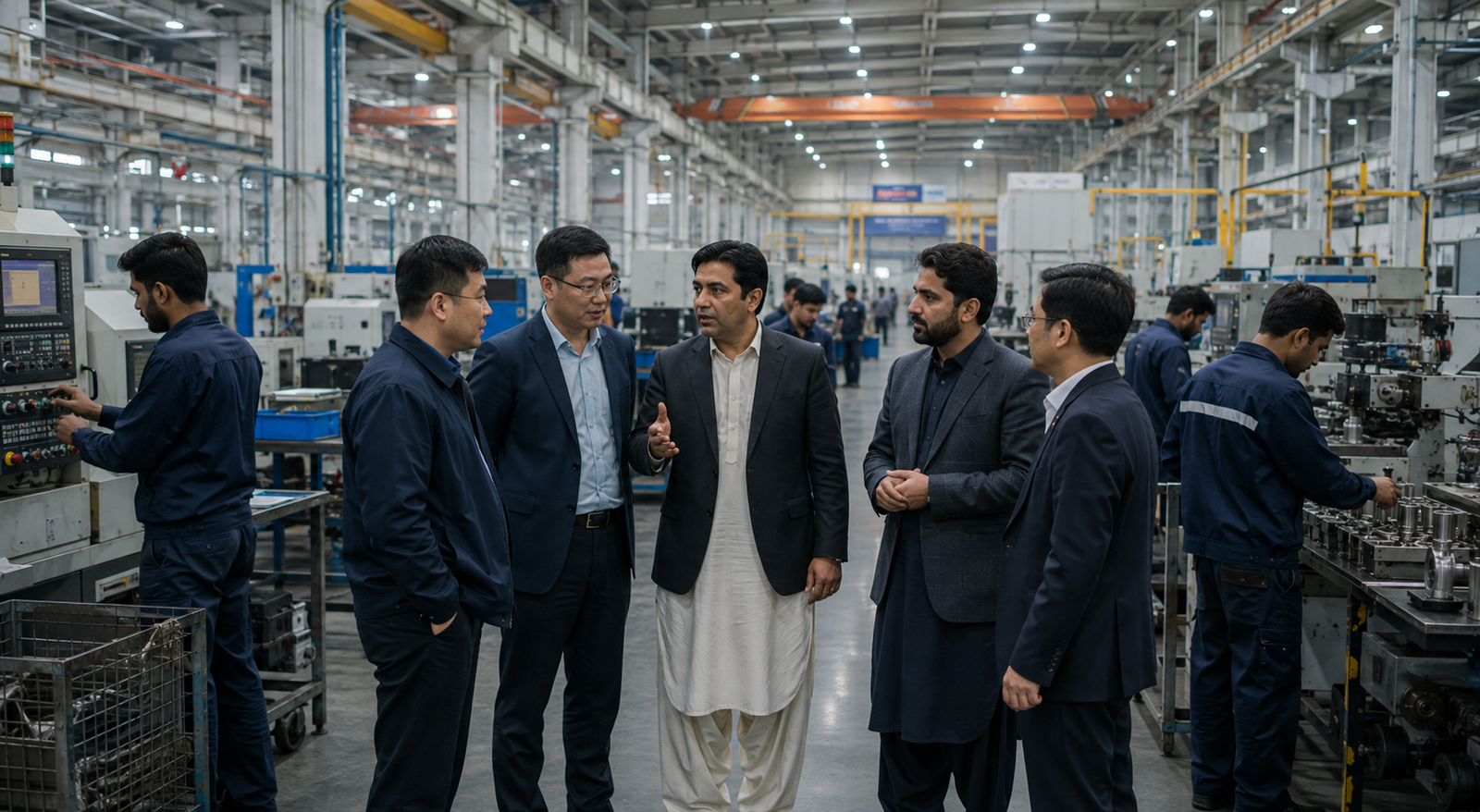
That possibility gained fresh momentum this week as Chinese companies expressed interest in transferring production facilities and technical expertise to Punjab. At a business and investment conference in Guiyang, the provincial government presented Punjab as a potential manufacturing and export hub for Chinese industry.
It is an ambitious pitch — and potentially an important one.
Pakistan Needs Factories, Not Just Imports
Chinese investment in infrastructure has already transformed parts of Pakistan through CPEC. But the next stage of the economic relationship needs to go deeper.
Pakistan does not simply need more Chinese products entering its market. It needs factories, local suppliers, engineers, skilled workers and products that can eventually be exported from Pakistan to other countries.
Punjab believes it has some of the ingredients required to make that happen.
The province has more than 40,000 manufacturing units, major textile and engineering clusters and 10 Special Economic Zones being promoted to Chinese investors. Officials are also highlighting tax and duty incentives, infrastructure and Punjab’s large workforce.
The opportunity extends beyond traditional industries.
Recent Pakistan-China discussions have focused on sectors including electric vehicles, batteries, renewable energy, agriculture, textiles and advanced manufacturing. Pakistan’s federal government has also been pushing CPEC 2.0 toward greater business-to-business and industrial cooperation rather than concentrating primarily on large infrastructure projects.
Technology Transfer Is the Real Prize
A Chinese factory in Pakistan matters more when Pakistani companies become part of its supply chain.
Imagine an electric vehicle assembled in Punjab. If most sophisticated components are imported and only final assembly takes place locally, Pakistan captures a limited share of its economic value.
But if batteries, electronics, plastics, tyres and engineering components gradually come from Pakistani suppliers, the impact becomes much larger.
Localisation creates skilled jobs, develops engineering capabilities and allows domestic companies to learn technologies that can eventually support their own products.
There are already encouraging signs. Chinese investors have discussed local EV and battery manufacturing, while another Chinese apparel investor is developing a manufacturing facility with plans for expanded employment and exports.
The Hard Part Comes After the Announcement
Pakistan has seen many investment announcements before.
The real test is implementation.
Chinese manufacturers will ultimately judge Pakistan on electricity costs, taxation, policy consistency, logistics, security, access to foreign exchange and how easily companies can move goods through ports and customs.
An attractive presentation at an investment conference can open the door. A competitive business environment is what convinces a manufacturer to build the factory.
That is why this latest Chinese interest should be treated as an opportunity rather than an achievement already secured.
If Pakistan can turn these discussions into functioning factories, develop local suppliers and use Chinese investment to produce goods for international markets, the relationship could begin moving beyond the familiar model of China selling and Pakistan buying.
The bigger ambition should be for Pakistan to become part of the network that makes those products.
That is where Chinese investment could shift from increasing trade to transforming Pakistani industry.