

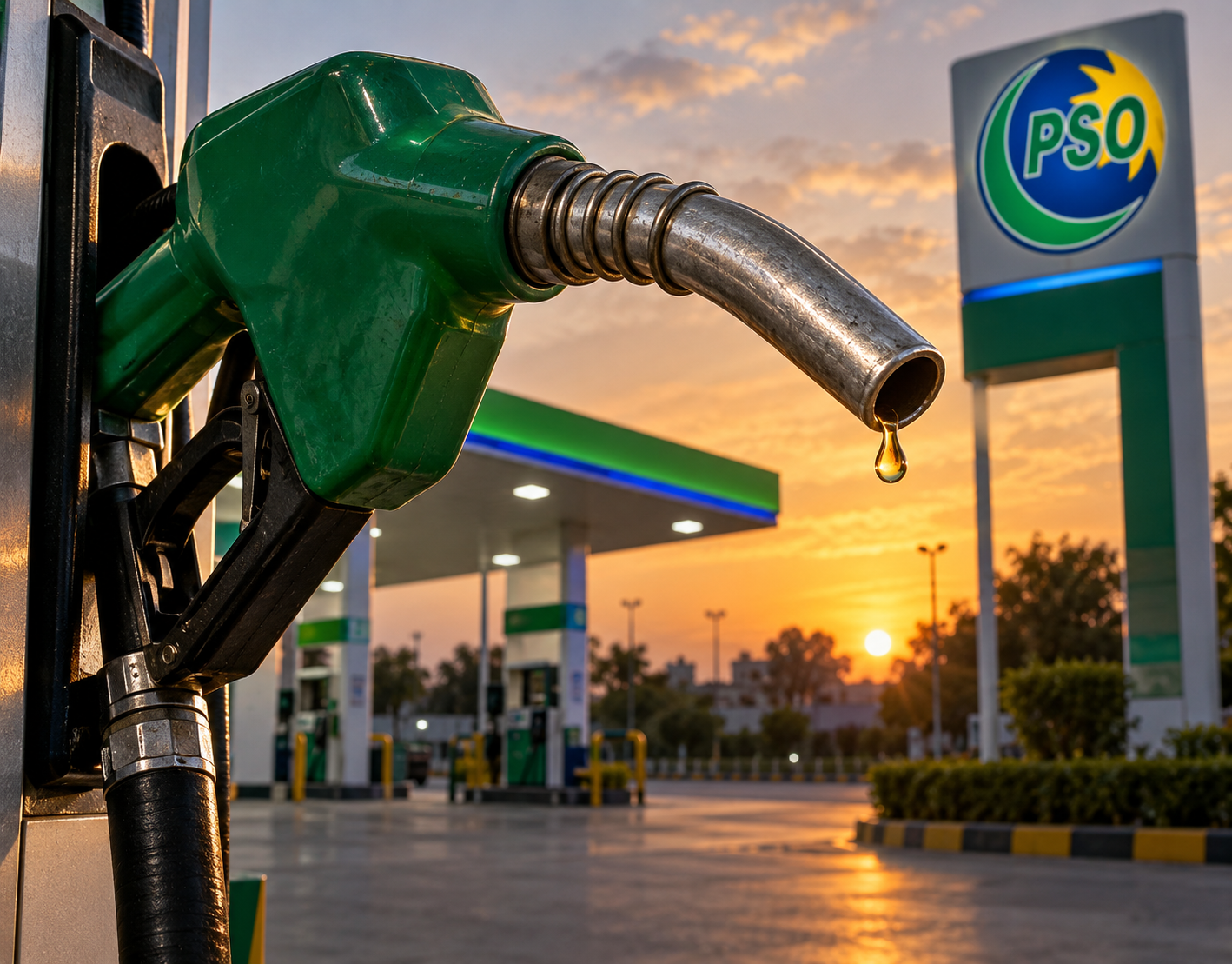
Pakistan is considering a major restructuring of fuel taxation that could reduce the burden on motorists—but replacing the lost revenue may prove far more difficult than cutting the levy itself.
A proposal currently under government review recommends gradually lowering the petroleum levy to between Rs5 and Rs10 per litre. However, this would create an estimated annual federal revenue gap of approximately Rs1.45–1.50 trillion. The plan has been circulated among the Ministry of Finance, Federal Board of Revenue and State Bank of Pakistan for examination, but it has not yet been approved.
The proposal has emerged as rising fuel costs place renewed pressure on households and businesses. Petrol increased to Rs375.82 per litre and high-speed diesel to Rs403.32 on September 12. In response, the All Pakistan Goods Transport Alliance announced a five-percent increase in freight charges—raising concerns that transportation costs will soon filter into food, construction materials and consumer goods.
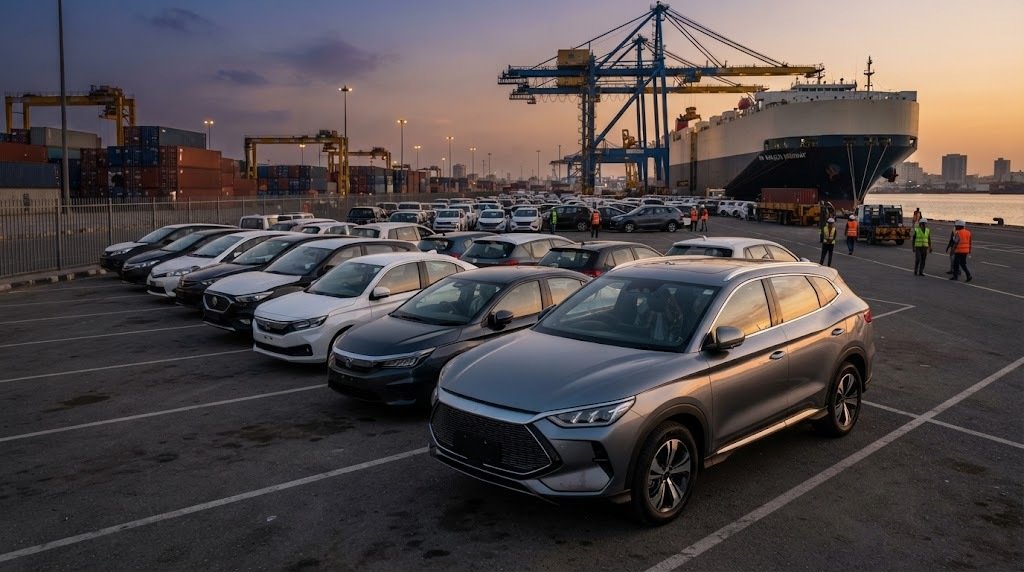
Under the proposed framework, the government could replace petroleum-levy revenue through higher duties on luxury imports, additional taxes on large corporations and wealthy individuals, improved taxation of agriculture and property, and stronger documentation of the retail sector.
Technology would also play a central role. Data matching across bank accounts, utility connections, travel records, property ownership and retail transactions could help the FBR identify tax evasion. Satellite and GIS technology may also be used to locate under-declared commercial and industrial properties.
The economic logic is compelling: petroleum taxation affects nearly every business because goods must be transported. Reducing the levy could lower logistics costs and ease inflationary pressure across the economy. But the alternative taxes must be carefully designed. Excessive taxation of documented businesses could discourage investment, while another failed attempt to bring retailers, property owners and agricultural income into the tax net would leave the government facing a significant shortfall.
Pakistan’s economy is showing signs of recovery. Provisional GDP growth reached 3.7 percent in FY2025–26, while large-scale manufacturing expanded by 4.98 percent, according to the Pakistan Bureau of Statistics.
That recovery remains vulnerable to expensive energy, weak tax enforcement and external oil shocks. A gradual petroleum-levy reduction could support businesses and consumers, but only if Pakistan finally broadens its tax base instead of repeatedly increasing the burden on fuel buyers and already-documented companies.
The real test is therefore not whether the government can reduce the levy—it is whether it can collect revenue more fairly and efficiently elsewhere.