


When you watch a film, you naturally assume that the sounds you hear—the crunch of footsteps on snow, the rustle of clothing, or the shattering of a glass—were recorded live on set during the actor’s performance. In reality, production microphones are designed almost exclusively to capture clear human dialogue. Nearly every other everyday sound effect is entirely artificial, created later in a studio by a specialized group of artists known as Foley walk-ins.
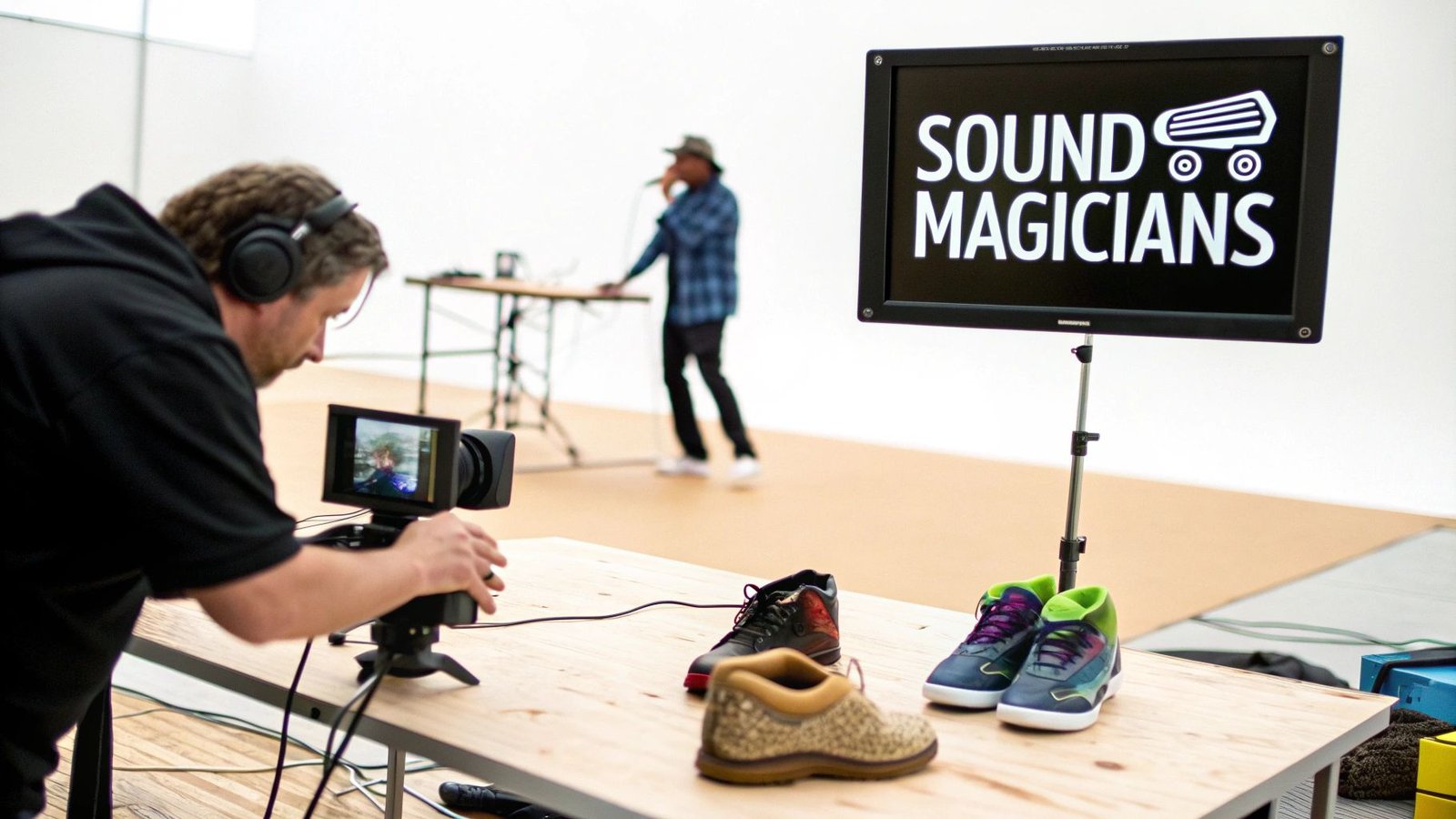
Named after sound pioneer Jack Foley, this discipline requires an incredible amount of lateral thinking and creative problem-solving. A Foley studio looks less like a high-tech recording lab and more like an eclectic junkyard, packed to the rafters with mismatched shoes, car doors, various gravel pits, and old weapons. The artists watch the finished film on a massive screen and perform the sound effects in real-time sync with the actors on screen.
The secrets of the trade are brilliantly bizarre. To simulate the sound of bones snapping in a brutal fight scene, a Foley artist will violently twist a bundle of celery or snap frozen romaine lettuce. The fluttering wings of a startled bird are often replicated by waving a pair of feather dusters or leather gloves rhythmically in front of a microphone. Walking through deep snow is perfectly mimicked by stomping a leather pouch packed tightly with cornstarch.
Foley is a deeply psychological art form; it operates completely invisibly when done correctly. If the audience actively notices a sound effect, the illusion is broken. But when woven seamlessly beneath the musical score and dialogue, Foley work grounds the cinematic world in a tangible, physical reality, manipulating the viewer’s subconscious emotions without them ever realizing it.