

As tensions across the Middle East continue to threaten regional stability, Pakistan is using diplomatic engagement and security-level contacts to keep dialogue open and prevent further escalation.
Why Pakistan’s Regional Role Matters
For Pakistan, regional security is not simply a matter of protecting its borders. Developments in Iran, the Gulf, and neighbouring countries can affect trade, energy supplies, economic stability, and the safety of millions of people. This is why maintaining communication with regional governments has become an important part of Pakistan’s foreign policy.
The country also has relationships that require careful handling. Its ties with Iran, longstanding partnership with Saudi Arabia, and broader engagement with Türkiye place Islamabad in a position where dialogue with different regional partners can be particularly valuable.
However, maintaining these relationships requires more than diplomatic statements. It calls for consistent communication, a clear understanding of each country’s concerns, and a willingness to find common ground.
The Significance of the October 26 Tehran Talks
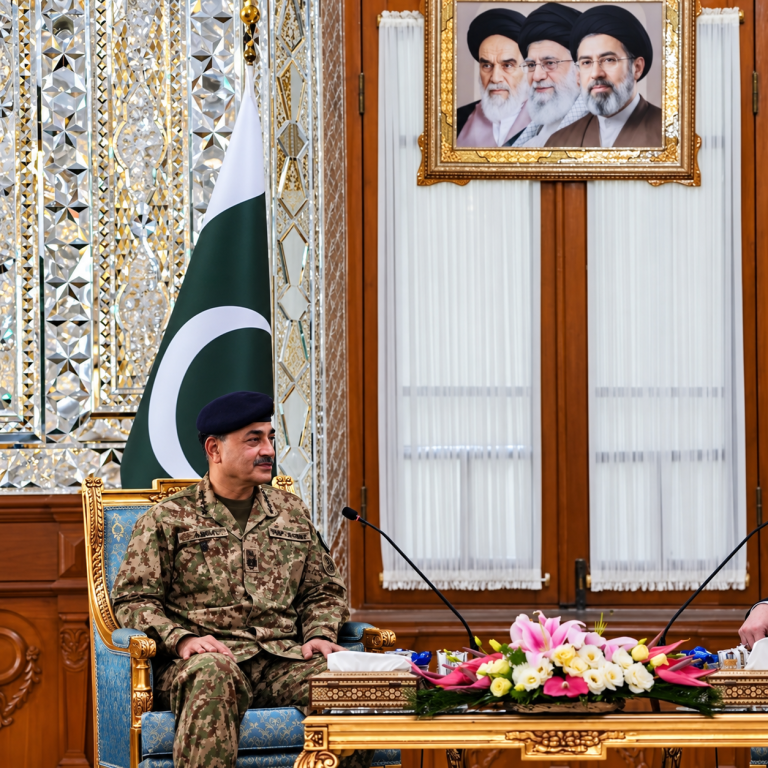
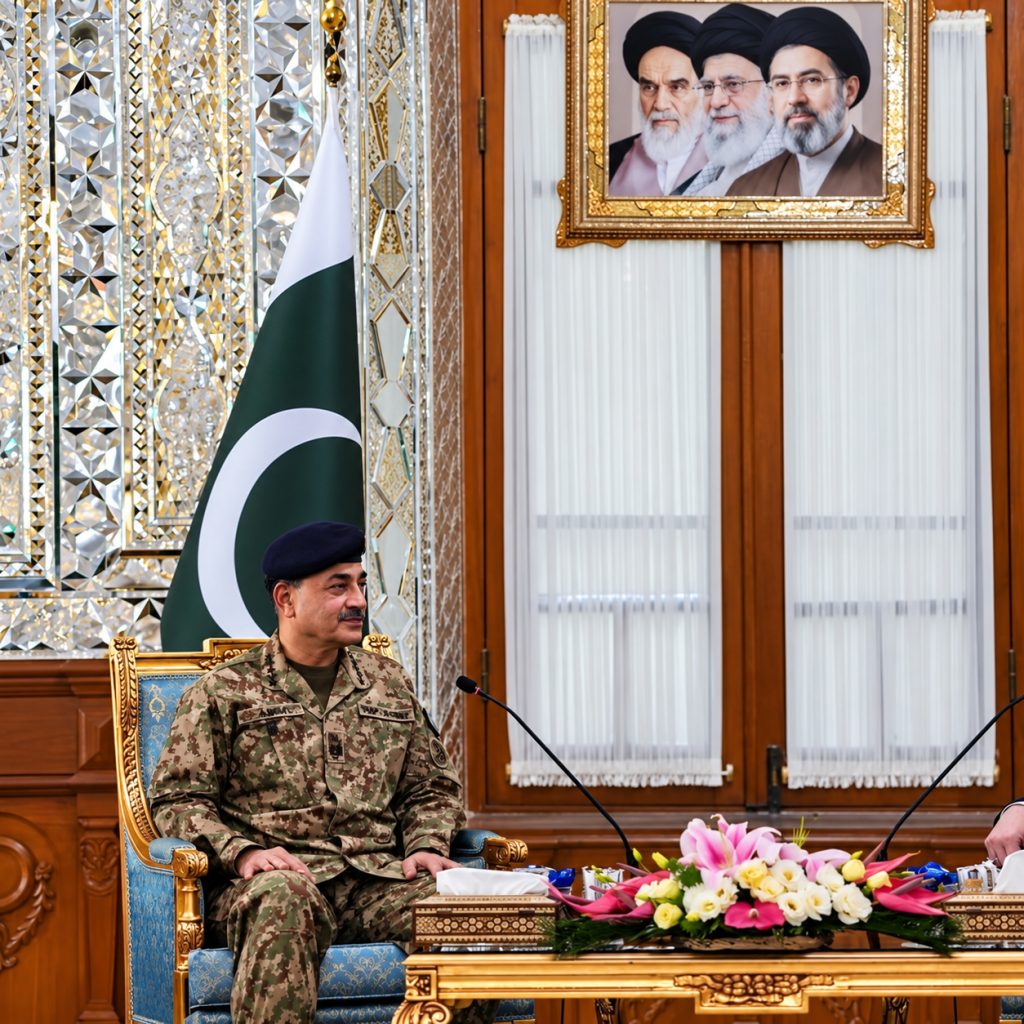
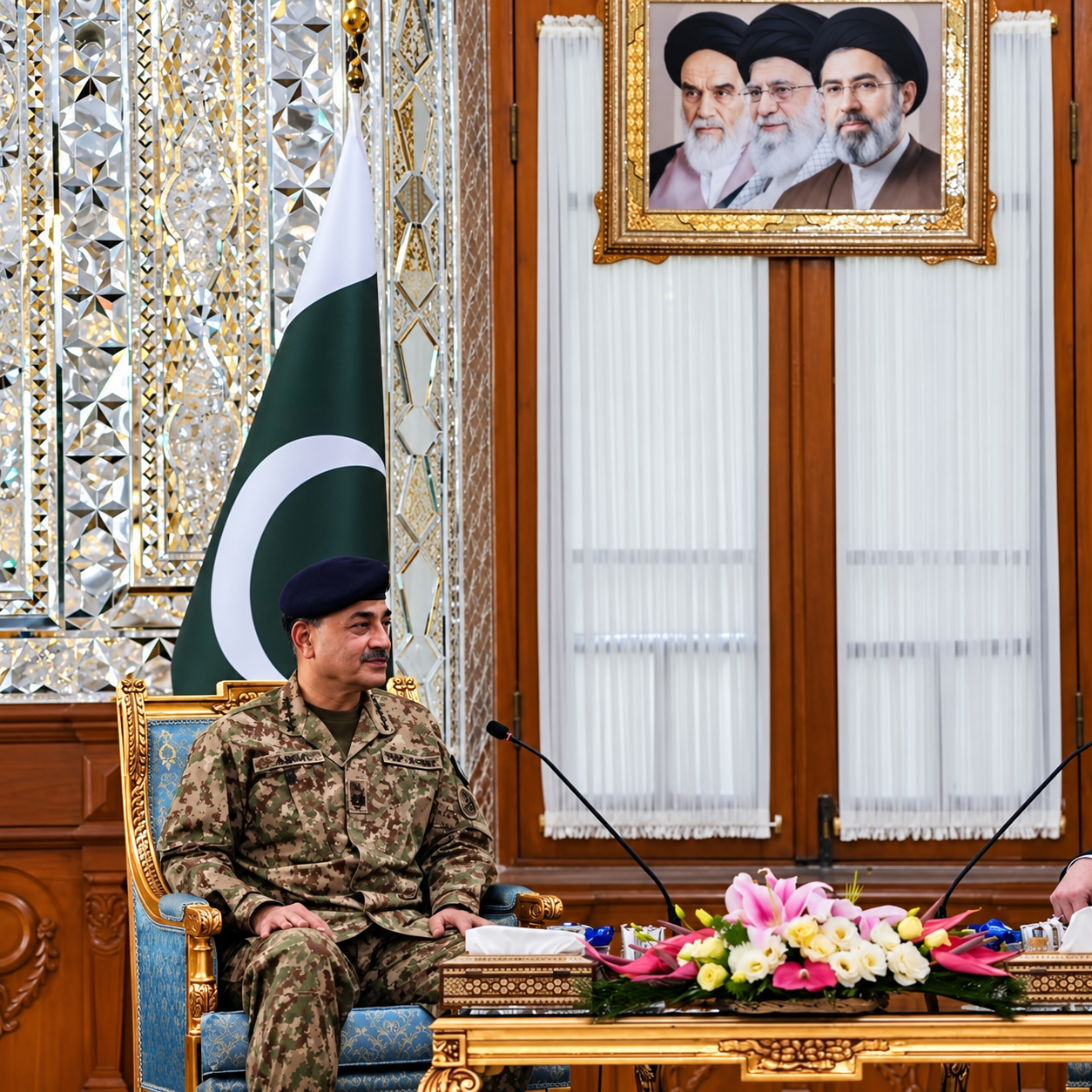
Pakistan’s military diplomacy came into focus on October 26, 2026, when Field Marshal Asim Munir joined senior officials from Saudi Arabia and Türkiye for talks with Iranian leaders in Tehran. According to Reuters, the discussions were intended to help reduce regional tensions and prevent a return to military escalation. <Cite refs={[“turn452310view0″,”turn452310view1”]}/>
The meeting took place against a difficult regional backdrop, including growing tensions involving Iran, the United States, Israel, and Yemen’s Houthi movement. Concerns over attacks on Saudi territory and disruptions affecting the strategically important Strait of Hormuz added to the urgency of diplomatic engagement. <Cite refs={[“turn452310view0″,”turn452310view1”]}/>
The four countries agreed to continue discussions on regional peace and security. That decision was a meaningful diplomatic step, although it did not amount to a comprehensive settlement of the wider conflict. <Cite refs={[“turn452310view1″,”turn452310view2”]}/>
Understanding the Role of Military Diplomacy
Military diplomacy can serve a purpose that traditional diplomatic channels do not always fulfil on their own. Senior military officials can discuss security concerns directly, clarify intentions, and help keep communication open when political tensions make negotiations difficult.
Pakistan’s participation in the Tehran meeting illustrates how security-level engagement can support wider efforts to reduce tensions. Field Marshal Munir’s presence alongside senior Saudi and Turkish representatives also brought together countries with shared security concerns but different relationships with Tehran.
Still, a meeting should not be confused with a breakthrough. Lasting progress depends on whether the countries involved can turn discussions into practical agreements and maintain communication after the meetings end.
Why Civilian and Military Coordination Is Essential
Military engagement is most effective when it supports a coherent national foreign policy. Pakistan’s civilian leadership, particularly the prime minister and foreign ministry, has an essential role in setting diplomatic priorities, communicating official positions, and ensuring that international commitments remain consistent.
The military can contribute security expertise and direct contacts with regional counterparts, while civilian institutions provide political direction and diplomatic continuity. Neither role needs to compete with the other. Their value lies in working towards clearly defined national interests.
For Pakistan, this coordination is particularly important when dealing with Iran and Saudi Arabia, maintaining relations with Türkiye, and engaging with wider international efforts to ease regional tensions.
The Road Ahead for Pakistan
Pakistan’s regional diplomacy will ultimately be judged by its results. Keeping communication channels open is important, but the larger challenge is to turn dialogue into sustained restraint, stronger regional cooperation, and fewer risks to neighbouring populations and economies.
The October 26 Tehran meeting has provided another opportunity for regional engagement. Whether that opportunity produces lasting progress will depend on the willingness of all parties to continue talking and address their differences through peaceful means. For Pakistan, a steady combination of civilian diplomacy, security-level communication, and practical cooperation offers the clearest path towards protecting its interests while supporting greater stability across the region.