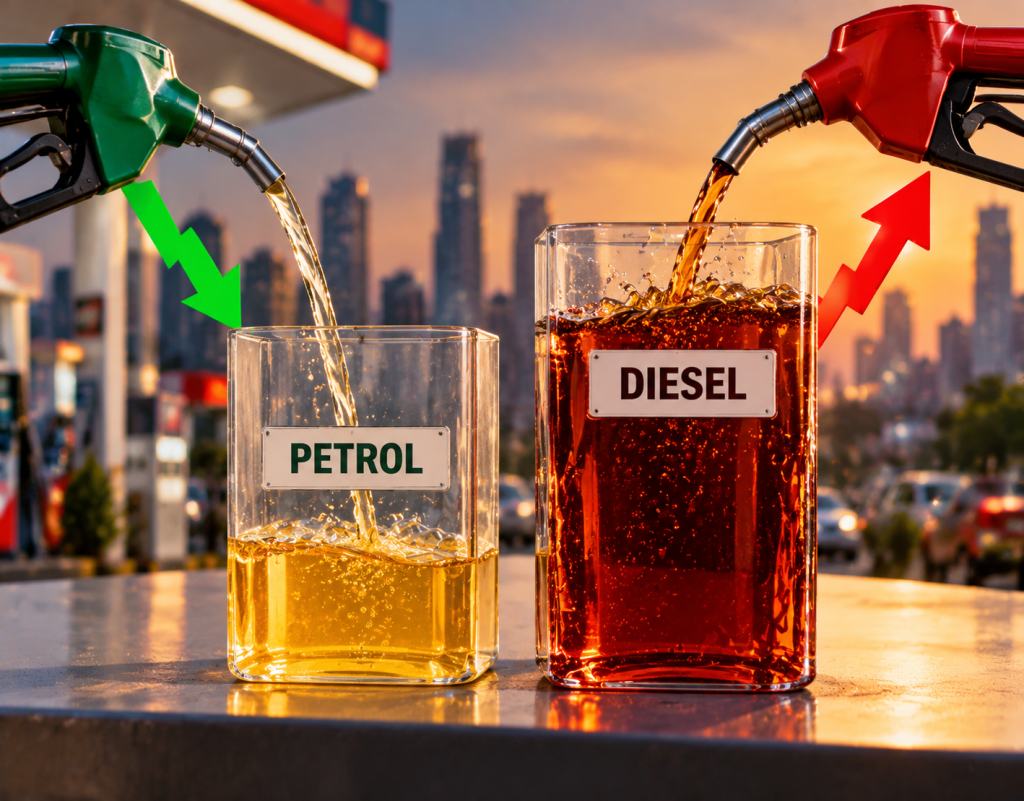


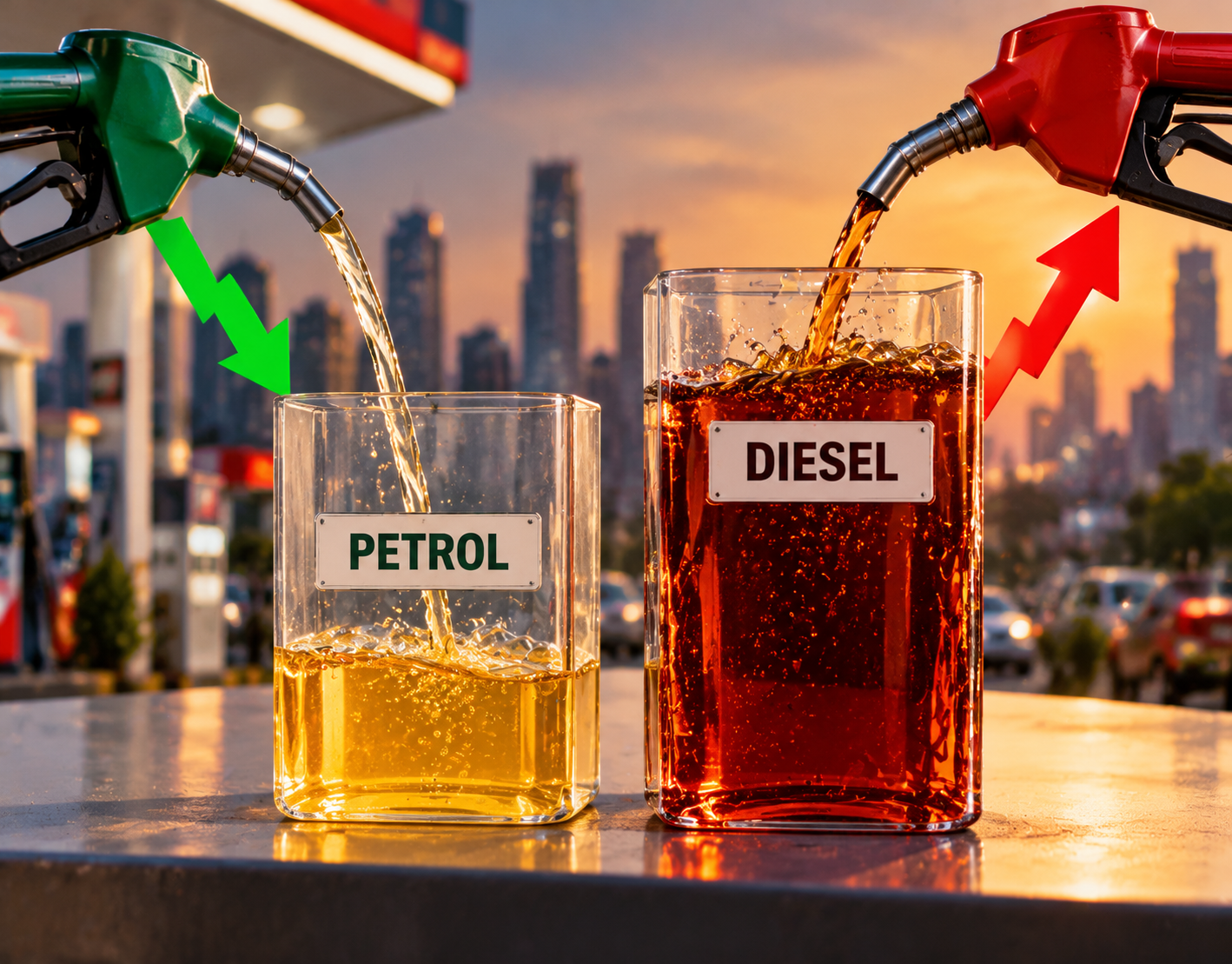
Pakistan’s latest fuel price adjustment has offered motorists some relief at petrol pumps, but the increase in diesel prices presents a different challenge for transport operators, businesses, and households. The decision highlights how changes in fuel prices can affect different sections of the economy in very different ways.
According to a report published on October 26, 2026, the government reduced petrol prices by Rs3.19 per litre while increasing high speed diesel prices by Rs2.25 per litre. Under the announced rates, petrol stood at Rs376.06 per litre and diesel at Rs398.07 per litre. These rates were reported as applicable until October 28.
Petrol Consumers Receive Limited ReliefPakistan Announces Petrol Price Cut but Diesel Gets More Expensive
For people who rely on motorcycles, cars, and other petrol powered vehicles, the reduction offers some immediate savings. Daily commuters, students, and workers who travel regularly may benefit from paying slightly less for fuel.
However, the actual relief depends on how much petrol a person uses. Someone filling a small motorcycle tank will save less than a driver purchasing fuel in larger quantities.
The reduction may also help households manage their monthly transport budgets, although it is unlikely to resolve wider financial pressures on its own. Food prices, utility bills, rent, and other everyday expenses continue to influence how much families can afford to spend.
For many motorists, the key question is whether future fuel adjustments will provide more lasting relief.
Why the Diesel Increase Matters
Diesel plays a major role in Pakistan’s transport and supply chains. Trucks carrying goods between cities, buses serving commuters, agricultural machinery, and various commercial vehicles depend heavily on diesel.
When diesel becomes more expensive, transport operators face higher running costs. Businesses must then decide whether to absorb those expenses or pass some of them on to customers.
Small transport companies may find it particularly difficult to manage rising fuel bills when operating expenses are already high. Delivery businesses, wholesalers, and distributors can also face additional pressure on their profit margins.
The impact is not necessarily immediate, but sustained increases can influence the cost of moving products across the country.
Could Everyday Goods Become More Expensive?
Transport costs are an important part of getting products from farms, factories, and warehouses to shops and markets. If diesel prices remain elevated, some businesses may eventually adjust their delivery charges or selling prices.
Fresh produce, groceries, construction materials, and other goods transported over long distances could face additional cost pressures.
However, higher diesel prices do not automatically mean that every product will become more expensive. The final effect depends on several factors, including competition, existing stock, transport contracts, demand, and the duration of the price increase.
Businesses may absorb some costs to remain competitive, while others may pass part of the increase to consumers.
What Should Consumers and Businesses Expect?
For households, careful budgeting and combining necessary journeys may help manage transport expenses. Businesses can review delivery routes, improve vehicle efficiency, and monitor operating costs to reduce unnecessary spending.
The government also faces the challenge of balancing consumer relief with the financial pressures affecting transport and commercial activity.
Ultimately, the petrol price reduction is a welcome development for motorists, but the diesel increase deserves equal attention because of its potential effects on supply chains. The wider economic outcome will depend on how long these prices remain in place and whether future adjustments ease or intensify the pressure on businesses and consumers.