

Kindness is one of the defining characteristics of Islam. From the very beginning of his prophethood, Prophet Muhammad ﷺ demonstrated compassion toward family members, neighbors, children, the elderly, strangers, and even animals. His life remains a timeless example of mercy, forgiveness, and generosity for Muslims around the world.
Allah introduces Himself in the Holy Quran as Ar-Rahman and Ar-Raheem—The Most Compassionate and The Most Merciful. These beautiful names remind believers that mercy is central to Islamic teachings. Muslims are encouraged to reflect these qualities in their daily interactions with others.
The Holy Quran says:
“Indeed, Allah commands justice, kindness, and generosity.” (Surah An-Nahl 16:90)
This verse highlights that kindness is not optional but an important part of righteous living.
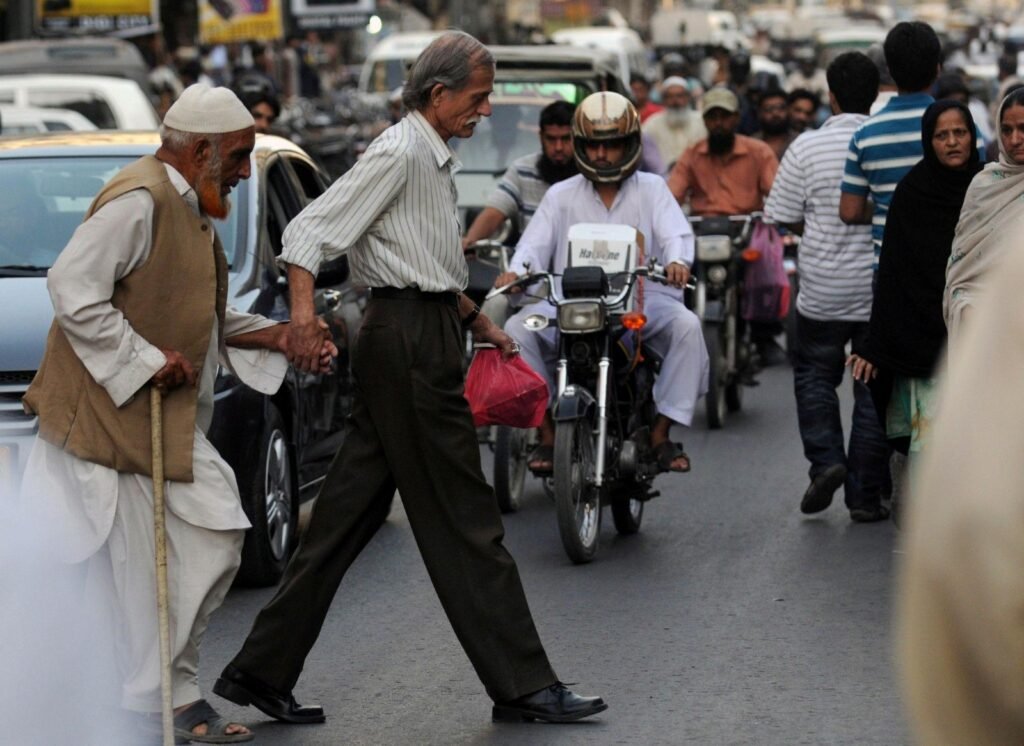
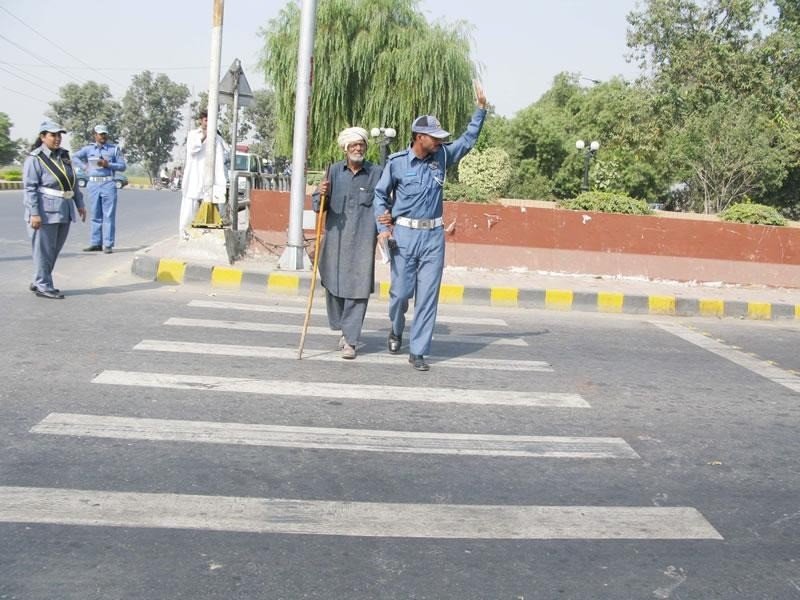
The Prophet Muhammad ﷺ taught that even the smallest acts of kindness are valuable in the sight of Allah. A sincere smile, helping someone carry groceries, feeding a hungry person, comforting a friend, visiting the sick, or speaking gently are all considered acts of charity. Islam teaches that good character often leaves a greater impact than material wealth.
Kindness begins within the family. Respecting parents, showing love to spouses, caring for children, and maintaining strong family ties are among the most rewarding acts in Islam. Healthy families build stronger communities, where compassion becomes a shared value rather than an individual choice.
Helping neighbors is another important teaching. Regardless of their background or beliefs, neighbors deserve respect, safety, and support. The Prophet ﷺ emphasized caring for neighbors so frequently that his companions believed neighbors might eventually receive inheritance rights.
Islam also teaches kindness toward animals and the environment. Providing food and water to animals, avoiding unnecessary harm, and protecting natural resources are considered acts of responsibility. These teachings demonstrate Islam’s comprehensive approach to compassion.
In modern society, kindness can also be expressed through volunteering, supporting charitable organizations, donating to those in need, mentoring young people, and using social media responsibly. Positive words and respectful communication can inspire hope and reduce unnecessary conflict.
Forgiveness is another powerful expression of mercy. While disagreements are a natural part of life, Islam encourages believers to forgive whenever possible. Letting go of resentment strengthens relationships and brings inner peace.
Kindness benefits both the giver and the receiver. People who consistently perform acts of compassion often experience stronger relationships, greater emotional well-being, and a deeper sense of purpose. Communities built on mercy become safer, more united, and more resilient. In a world often divided by conflict and misunderstanding, Islam’s message of kindness remains deeply relevant. Every act of compassion, no matter how small, contributes to building a society based on respect, generosity, and humanity. By following the example of Prophet Muhammad ﷺ, Muslims can become ambassadors of mercy and hope wherever they live.