

Honesty is one of the most cherished values in Islam. It forms the foundation of trust, strengthens relationships, and creates a fair and compassionate society. Long before receiving prophethood, Prophet Muhammad ﷺ was known throughout Makkah as Al-Amin, meaning “The Trustworthy.” His honesty earned the respect of both friends and opponents, making him an example for Muslims in every generation.
Islam teaches that honesty should be reflected in every aspect of life, whether in personal relationships, education, business, or public service. Truthfulness is not simply about avoiding lies; it is about being sincere, fulfilling promises, respecting the rights of others, and acting with integrity even when no one is watching.
Allah commands believers to remain truthful. The Holy Quran states:
“O you who believe! Fear Allah and be with those who are truthful.” (Surah At-Tawbah 9:119)
This verse reminds Muslims that honesty is closely connected to faith and righteousness. Speaking the truth may sometimes be difficult, but it brings peace of mind and earns Allah’s pleasure.
The Prophet Muhammad ﷺ also emphasized the value of honesty in daily life. He taught that truthfulness leads to righteousness, and righteousness leads to Paradise. Conversely, lying leads to wrongdoing and ultimately destroys trust. His teachings continue to guide Muslims in building strong moral character.
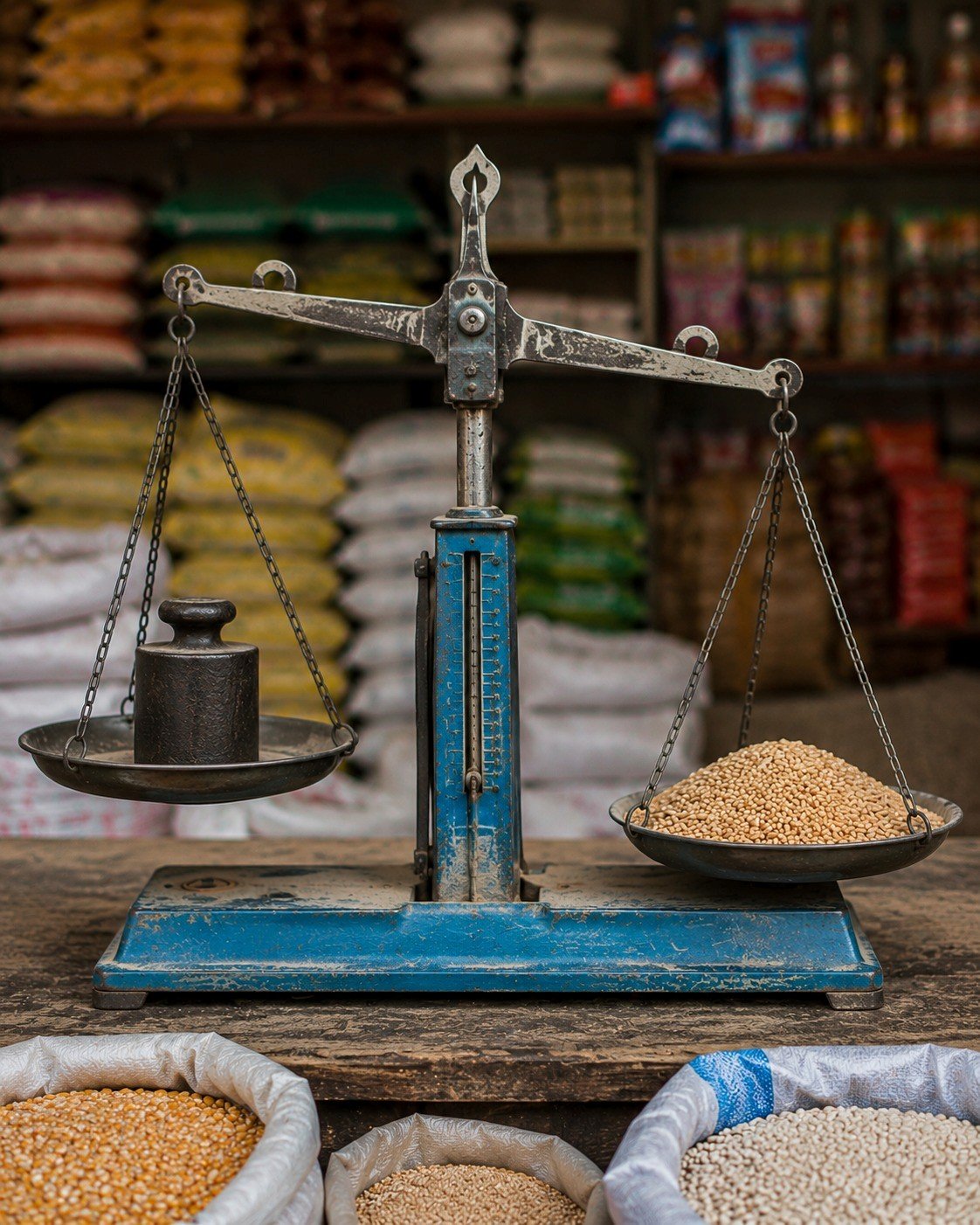
Business is one area where honesty has great importance. Islam encourages traders to deal fairly with customers by providing accurate information, using correct measurements, avoiding deception, and charging reasonable prices. Honest business practices not only strengthen customer confidence but also bring blessings into one’s livelihood. Wealth earned through fairness is considered far more valuable than wealth gained through dishonesty.
Honesty also plays an important role within families. Parents who speak truthfully set a positive example for their children, while children learn responsibility by being honest with their parents and teachers. Trust becomes stronger when family members communicate openly and sincerely.
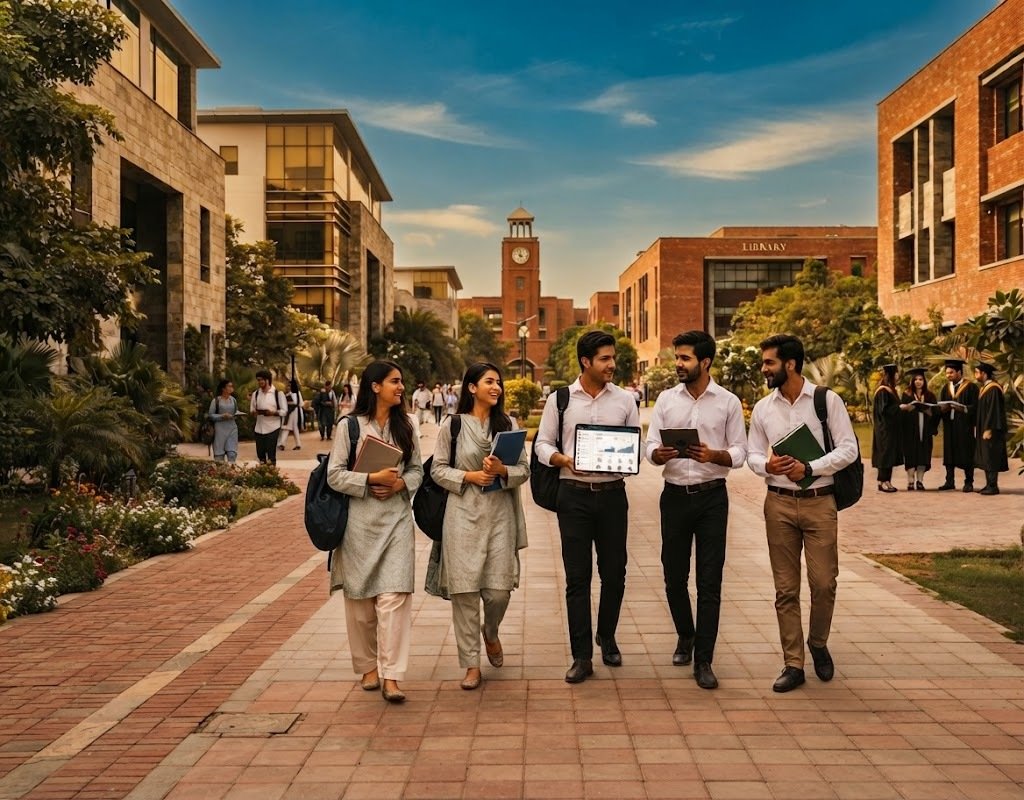
Students are equally encouraged to practice honesty by avoiding cheating during examinations, respecting academic integrity, and completing their work independently. Genuine success achieved through hard work always carries greater value than dishonest achievements that offer only temporary rewards.
In today’s digital world, honesty extends to social media and online communication. Sharing false information, spreading rumors, manipulating images, or misleading others for personal gain contradicts Islamic teachings. Muslims are encouraged to verify information before sharing it and to communicate responsibly in both online and offline environments.
Living honestly is not always easy. People may face situations where telling the truth seems difficult or costly. However, Islam reminds believers that Allah always knows the truth, and honesty ultimately leads to dignity, respect, and lasting success.
A society built on honesty enjoys stronger businesses, healthier families, trustworthy institutions, and greater social harmony. Every truthful word, fulfilled promise, and sincere action contributes to building a better community. Honesty is not simply a moral choice—it is an act of worship. By following the example of Prophet Muhammad ﷺ and remaining truthful in every situation, Muslims strengthen both their character and their relationship with Allah.