

For decades, robotics has been synonymous with heavy industry. Massive, blind mechanical arms have been confined to protective cages in automotive factories, performing repetitive tasks with brutal efficiency. However, a massive convergence of advanced artificial intelligence, lightweight materials, and high-capacity batteries is pulling robotics out of the cage and into the real world. Intelligence is no longer confined to digital screens; it is becoming embodied and autonomous.
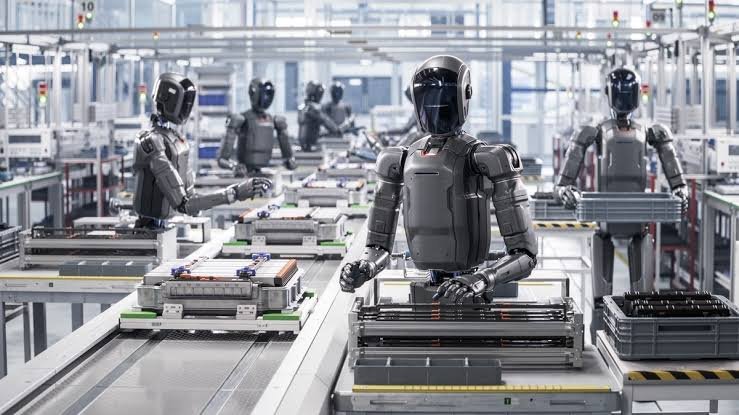
The most prominent manifestation of this shift is the rapid development of humanoid robots. Designed to navigate environments built specifically for human bodies—featuring stairs, standard doors, and human-scaled tools—these machines are moving beyond laboratory novelties and into commercial deployment. Industry leaders predict that hospitals, logistics centers, and factories will soon accelerate the adoption of these humanoid platforms to replace many physically demanding human roles.
What makes these modern robots truly revolutionary is their software. Instead of relying on rigid, pre-programmed code, they utilize AI vision models and deep reinforcement learning to actively understand and adapt to their surroundings. A modern robot can look at a disorganized pile of varied objects, understand what each item is, and determine the optimal physical strategy to sort them, completely without human intervention.
The widespread deployment of autonomous humanoid robots will inevitably trigger profound economic and social disruption. While they promise to solve massive global labor shortages and take over dangerous, undesirable jobs, their integration requires society to fundamentally rethink workforce dynamics. The coming decade will be defined by how successfully we can manage the transition to a hybrid economy where humans and intelligent machines collaborate side-by-side.