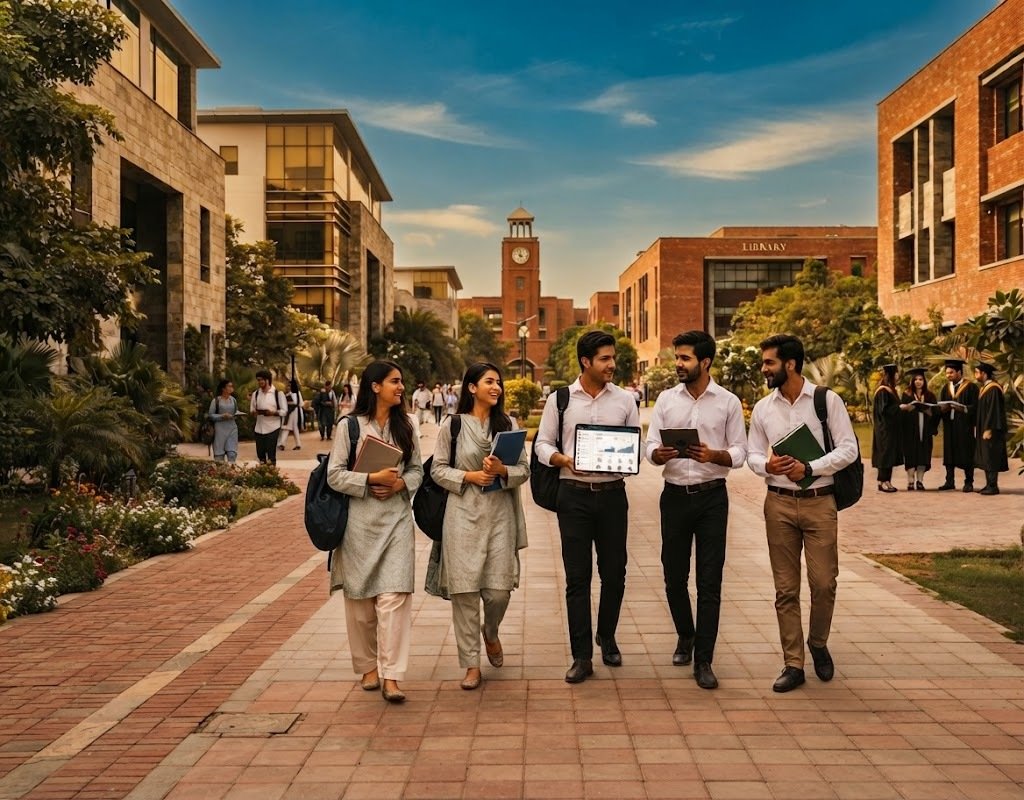



Higher education has historically been a highly localized endeavor, deeply tied to the specific culture and history of the nation in which a university was founded. However, the modern academic landscape has become fiercely international. The world’s top universities are no longer content to simply recruit international students to their home campuses; they are actively exporting their educational brands globally, opening massive satellite campuses in emerging economic hubs across Asia, the Middle East, and Africa.
This globalization strategy serves multiple purposes. For the universities, it provides a massive new revenue stream and significantly expands their global research networks and institutional prestige. For the host nations, welcoming these international branch campuses prevents “brain drain.” By allowing their brightest students to receive a world-class Western education without ever leaving their home region, these nations are rapidly building highly educated, domestic workforces capable of driving local technological innovation.
Furthermore, the globalization of education is fundamentally altering the traditional curriculum. Universities recognize that their graduates will be entering a hyper-connected, transnational workforce. As a result, academic programs are placing a massive premium on cross-cultural competency, requiring students to learn multiple languages, study abroad, and collaborate on projects with peers located in entirely different time zones.
The rapid advancement of digital learning platforms has accelerated this trend, making borders largely irrelevant for knowledge transfer. Massive Open Online Courses (MOOCs) and fully accredited digital degree programs allow a student in rural South America to attend live lectures from a professor in Oxford. This unprecedented democratization of access to high-level knowledge is perhaps one of the most positive, lasting legacies of modern international globalization.