

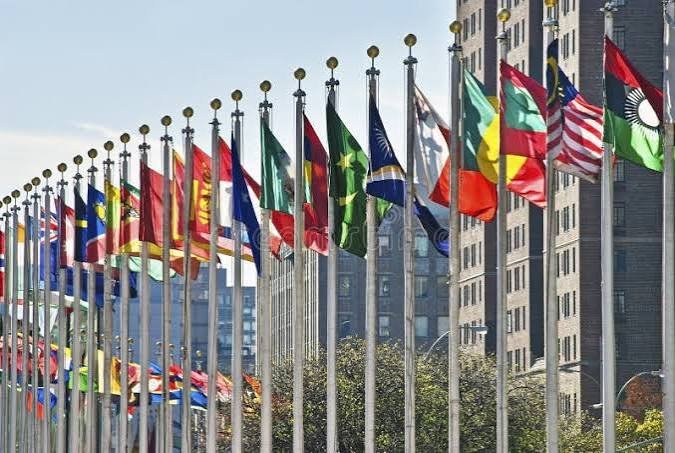
The geopolitical landscape is increasingly being framed by commentators as a return to a Cold War mentality, characterized by a fierce, binary rivalry between major global superpowers. However, a significant and powerful bloc of nations is actively resisting this framing. Countries across the “Global South”—representing massive emerging economies in Africa, Latin America, and Southeast Asia—are actively reviving the concept of non-alignment, refusing to be drawn into exclusively backing one superpower over another.
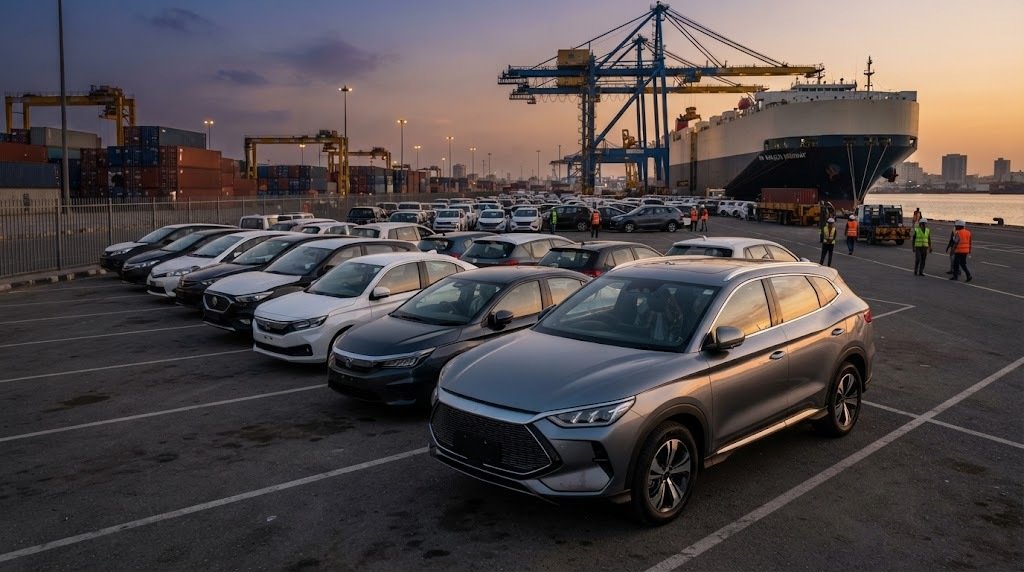
These emerging nations recognize that strict alignment limits their economic and diplomatic flexibility. Instead of signing exclusive treaties, they are practicing “multi-alignment.” A country might rely on Western nations for high-tech security architecture and defense training, while simultaneously deepening trade relations and accepting massive infrastructure investments from Eastern powers. This pragmatic approach allows them to leverage the competition between superpowers to their own domestic advantage.
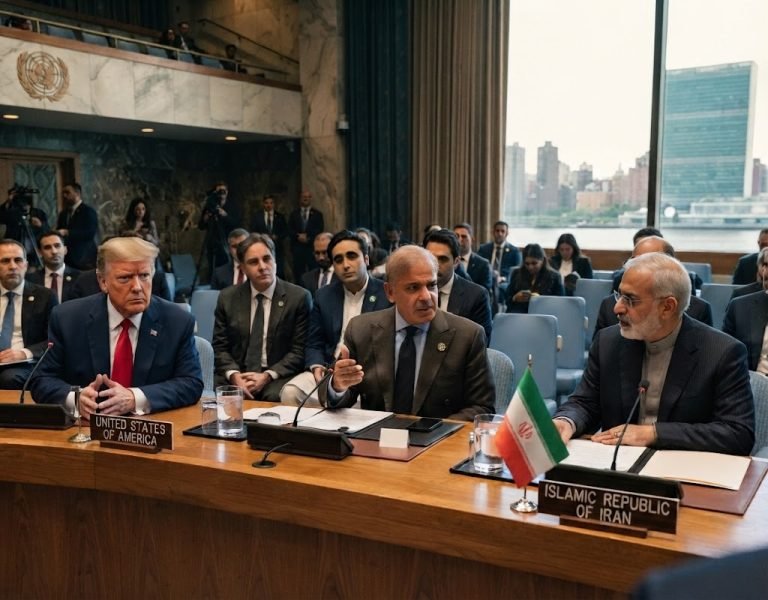
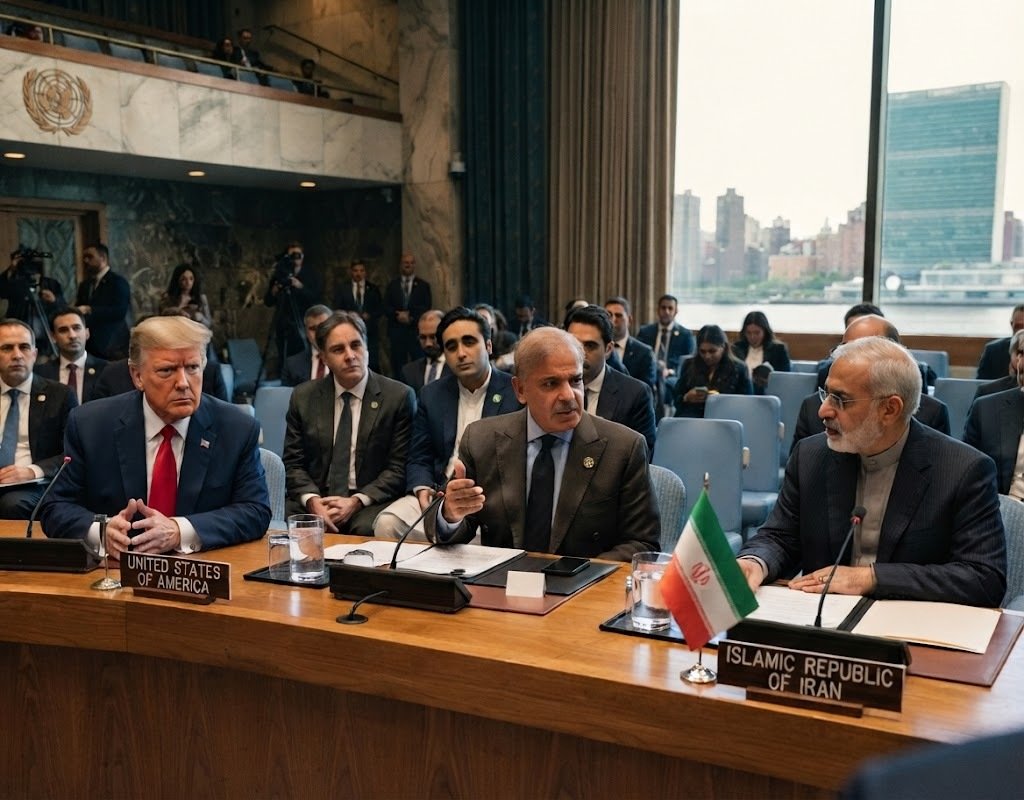
This shift in strategy is deeply frustrating to traditional global powers, who are accustomed to demanding absolute loyalty from their international partners. When global summits are convened to condemn the actions of a specific nation, many Global South countries are increasingly opting to abstain from voting, citing a desire to maintain neutral trading relations and avoid entanglement in conflicts that do not directly affect their sovereign borders.
The growing economic clout of these non-aligned nations means their strategy cannot be ignored. Organizations like BRICS (Brazil, Russia, India, China, and South Africa) are actively expanding their membership and exploring alternative global financial systems designed to bypass traditional Western economic dominance. The future of international relations will likely not be dictated by a binary superpower conflict, but by a multipolar world where regional powers demand an equal seat at the negotiating table.