

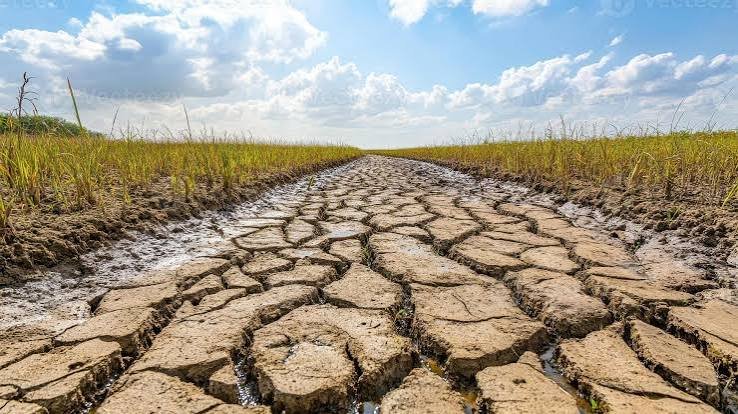
While international conflicts of the 20th century were frequently driven by the pursuit of oil, experts predict that the geopolitical tensions of the 21st century will increasingly be driven by a much more fundamental resource: water. As global temperatures rise and weather patterns become increasingly erratic, severe droughts are threatening the agricultural stability and economic survival of nations around the globe. The management of this vital resource has become a top-tier diplomatic priority.
The most intense flashpoints are occurring where major river systems cross multiple international borders. When a nation located upstream decides to build a massive hydroelectric dam or divert water for aggressive agricultural irrigation, it directly threatens the water security of the nations located downstream. These unilateral actions frequently spark intense diplomatic crises, as downstream nations view the reduction of their water supply as a direct threat to their national sovereignty and survival.
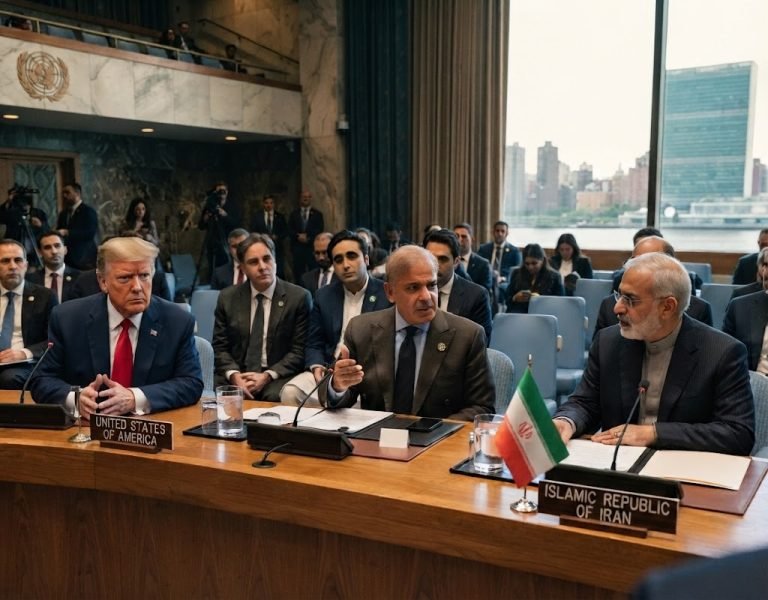
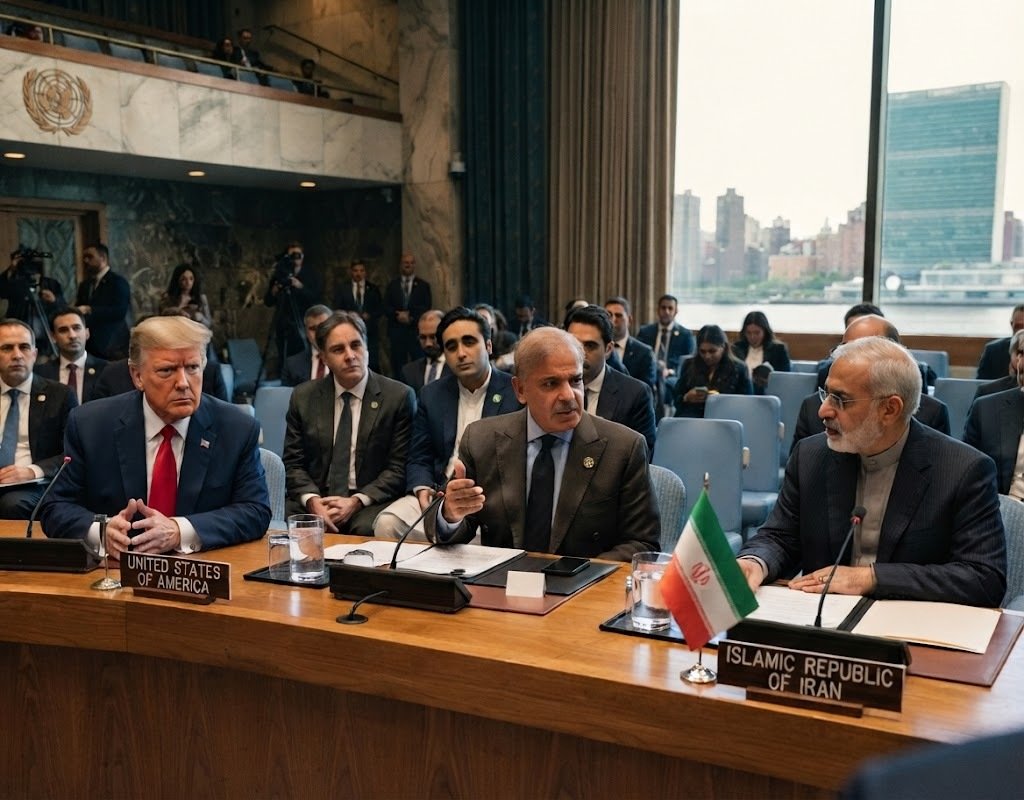
International law regarding shared waterways remains incredibly murky and difficult to enforce. While various United Nations conventions exist to promote the equitable sharing of transboundary watercourses, there is no global police force capable of preventing a powerful upstream nation from exploiting its geographical advantage. Consequently, water diplomacy requires incredibly delicate, ongoing negotiations, often mediated by neutral third-party organizations or global superpowers.
To mitigate the risk of “water wars,” the international community is heavily investing in technological solutions alongside diplomatic ones. Massive funding is being funneled into large-scale desalination plants, advanced wastewater recycling facilities, and precision agricultural techniques that require a fraction of the water of traditional farming. Ensuring equitable global access to fresh water is no longer just a humanitarian issue; it is the absolute bedrock of future international stability.