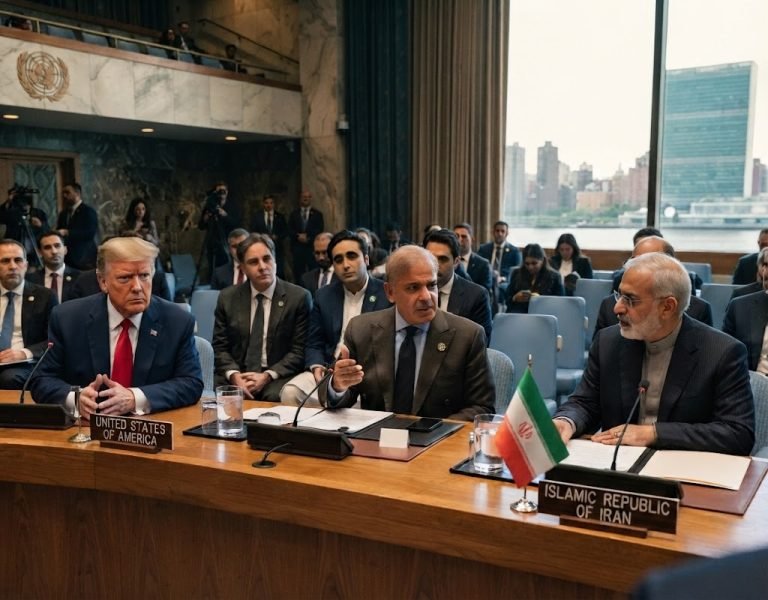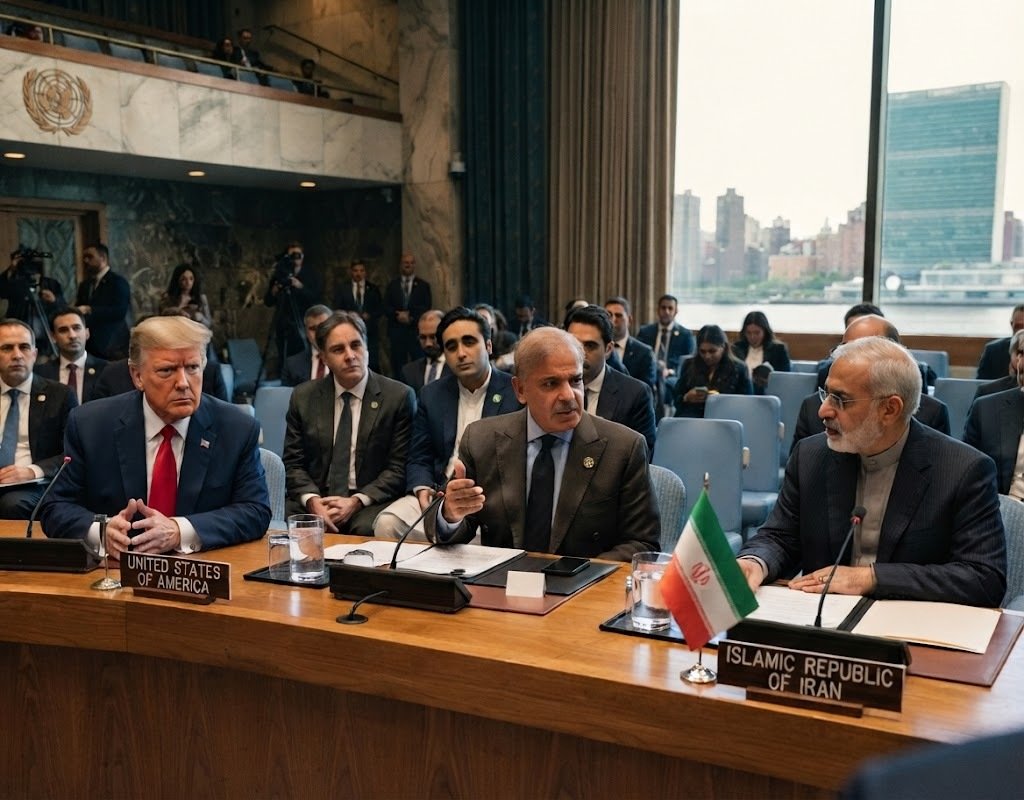



Recent rounds of international climate summits have concluded with a familiar, frustrating pattern: bold declarations of emission reductions followed by intense scrutiny from environmental watchdogs. While nearly every major industrialized nation has committed to achieving net-zero emissions within the next few decades, the legislative pathways to reach these targets remain heavily contested. International policymakers are finding that passing the necessary domestic laws to mandate these changes is far more difficult than signing global treaties.
At the heart of the international climate debate is the profound economic friction of transitioning away from fossil fuels. Developing nations rightfully argue that they are being unfairly penalized and restricted from utilizing the cheap energy sources that historically allowed Western nations to build their massive economies. In response, international “loss and damage” funds are being negotiated, demanding that wealthy, historically high-polluting nations subsidize the green transition for the global south.
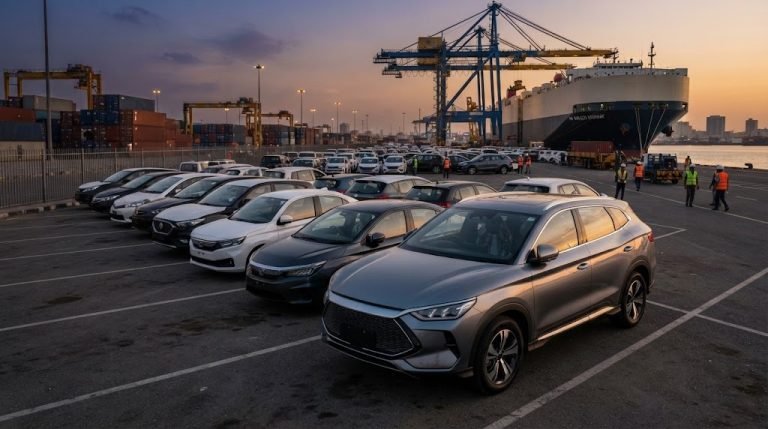
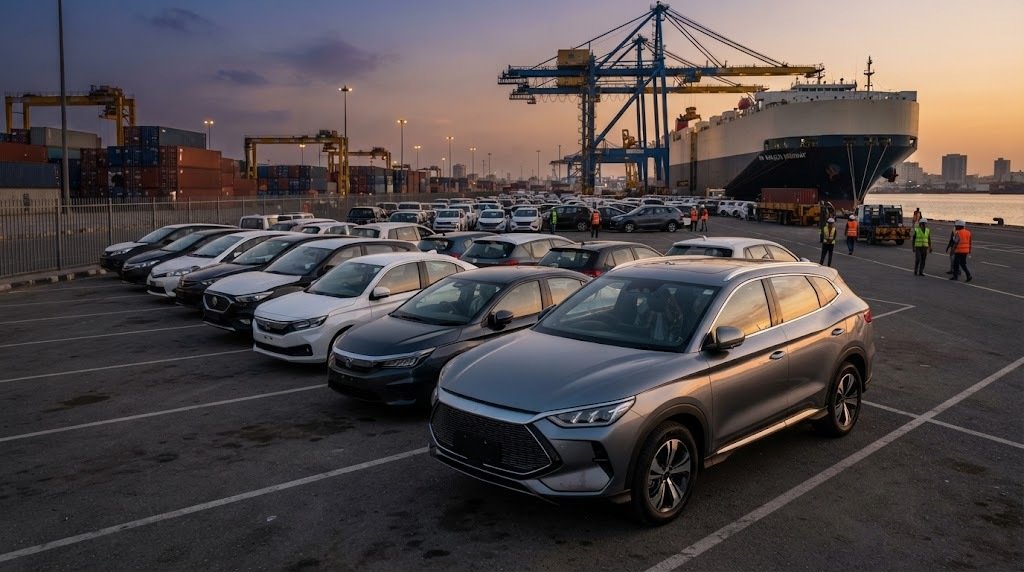
Despite these geopolitical legislative hurdles, the global private sector is largely forging ahead. Driven by shifting consumer demand and rapidly dropping technological costs, investments in renewable energy, electric vehicle manufacturing, and global battery storage are reaching record highs. The cost of solar and wind energy has plummeted globally to the point where it now frequently undercuts coal and natural gas, making the green transition an economic inevitability.
Ultimately, the focus of international climate policy is rapidly shifting from mere mitigation to aggressive adaptation. Acknowledging that a certain degree of warming is now locked into the global ecosystem, governments are beginning to allocate massive budgets toward reinforcing coastal infrastructure, upgrading power grids to withstand extreme weather, and sharing drought-resistant agricultural practices across borders.