

While the political focus on climate change is often directed at electric vehicles and solar panels, the most critical bottleneck in the green transition is the physical power grid itself. Current affairs discussions are increasingly highlighting the fact that much of the existing electrical infrastructure in developed nations is decades old, fragile, and entirely unequipped to handle the complex demands of modern renewable energy distribution.
The fundamental problem is that the legacy grid was designed for a one-way flow of electricity: from a massive, centralized coal or nuclear plant directly to consumers. Renewable energy, however, is highly decentralized. Millions of individual homes with rooftop solar panels are now attempting to feed excess power back into the grid, overwhelming outdated transformers and substations. Furthermore, renewable energy is intermittent—the sun doesn’t always shine and the wind doesn’t always blow—requiring massive upgrades in grid flexibility.
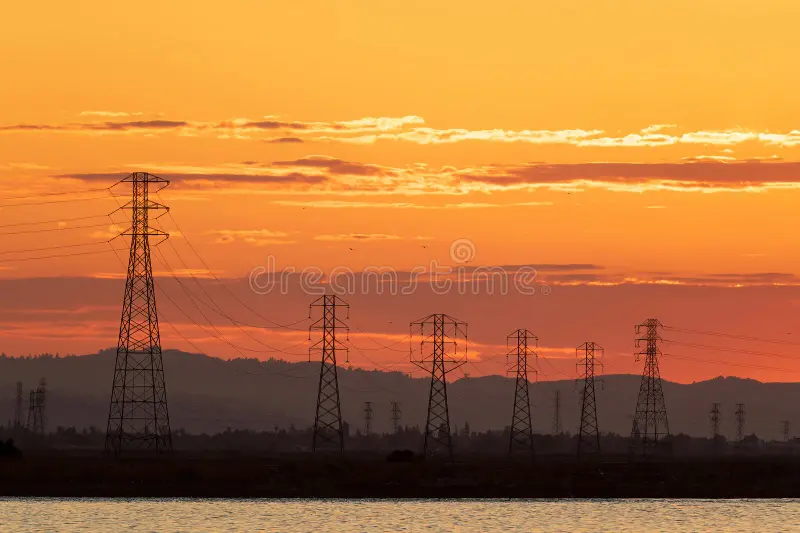
To address this, legislative bodies are passing historic infrastructure bills aimed at building a “smart grid.” This involves laying thousands of miles of high-capacity transmission lines to carry wind and solar power from remote rural areas to dense urban centers. It also involves heavily funding the research and deployment of utility-scale battery storage facilities, which can capture excess energy during peak production and release it when demand spikes.
Upgrading the grid is not just an environmental necessity; it is a critical economic imperative. Frequent power outages caused by extreme weather events and aging equipment cost economies billions of dollars annually in lost productivity. By heavily subsidizing grid modernization, governments are simultaneously creating thousands of domestic construction jobs while ensuring the energy security required for future economic growth.