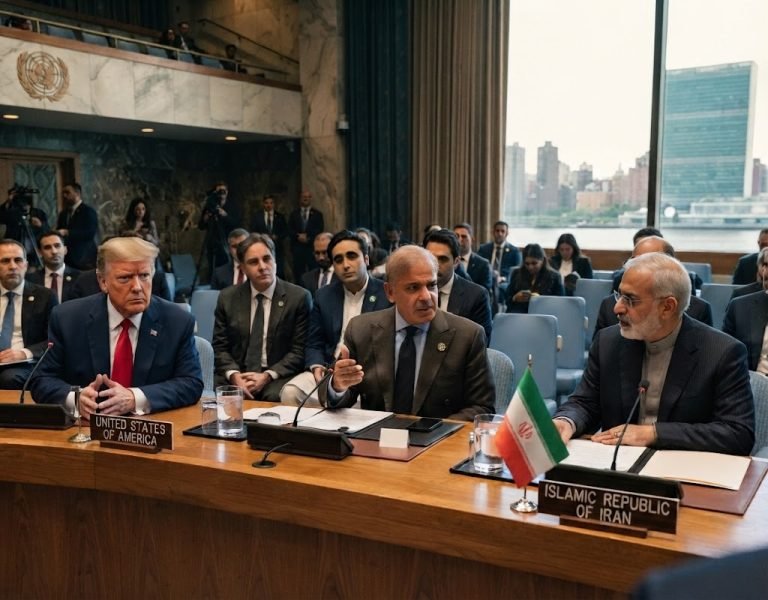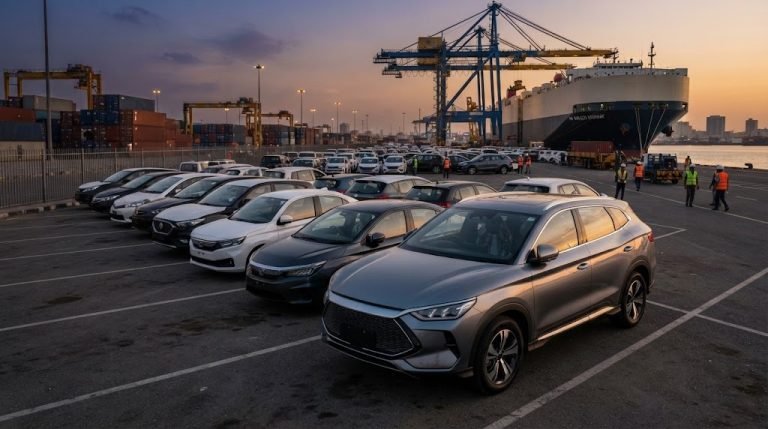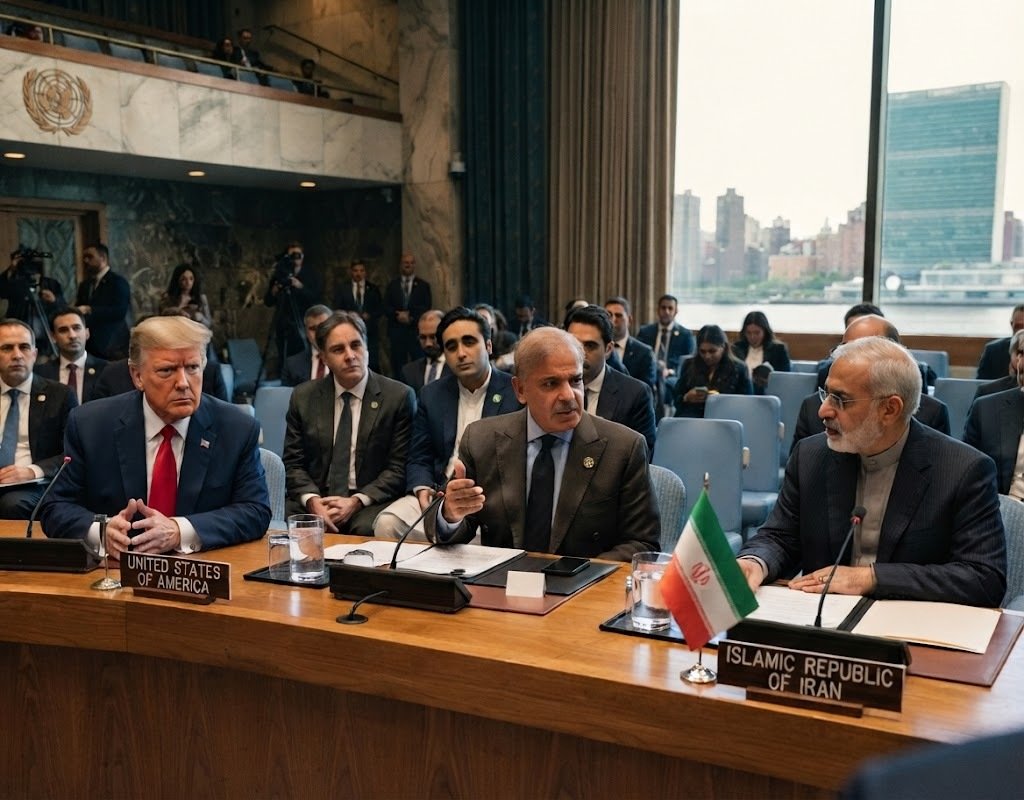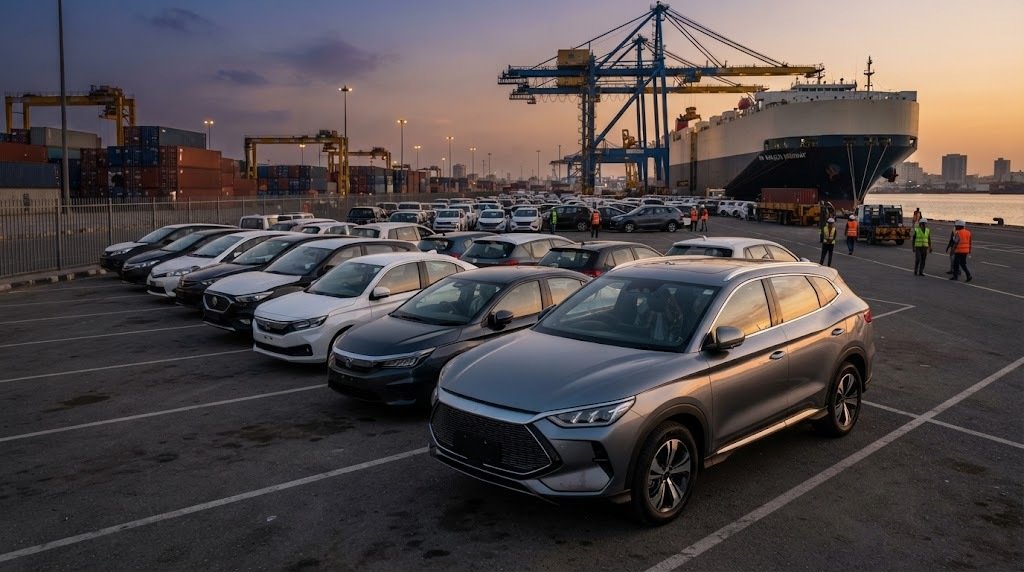


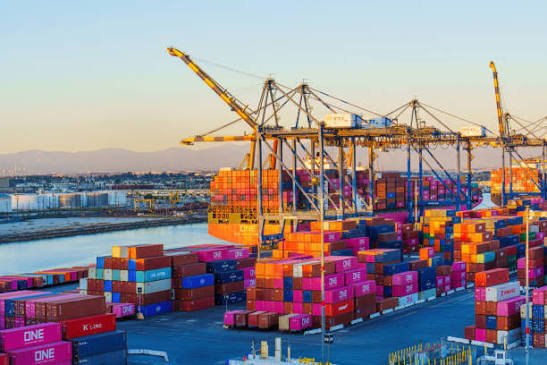
The last few years exposed critical vulnerabilities in the globalized supply chain, proving that relying on distant, concentrated manufacturing hubs is a massive economic risk. In response, a significant shift in current affairs is the aggressive push by governments to domesticate the production of essential goods. This movement, often referred to as “nearshoring” or “reshoring,” has moved from corporate boardrooms directly onto the floors of national legislatures.
Governments are no longer leaving supply chain logistics entirely up to the free market. Massive subsidies and tax incentives are currently being deployed to encourage companies to build factories on domestic soil. The most prominent examples are in the semiconductor and electric vehicle battery sectors, where lawmakers view domestic production not just as an economic boost, but as a matter of urgent national security.
This localized approach to manufacturing does not come without immediate growing pains. Building new, high-tech factories requires a specialized workforce that many countries currently lack, prompting a simultaneous scramble to fund vocational training and engineering programs. Furthermore, domestic manufacturing generally incurs higher labor and operational costs, which inevitably puts upward pressure on the final retail prices paid by consumers.
Despite the risk of mild inflation, the political consensus across various ideological spectrums is that supply chain resilience is worth the cost. The era of prioritizing absolute efficiency and the lowest possible production cost is ending. In its place, a new economic paradigm is emerging—one that values stability, local job creation, and guaranteed access to critical technologies above all else.