


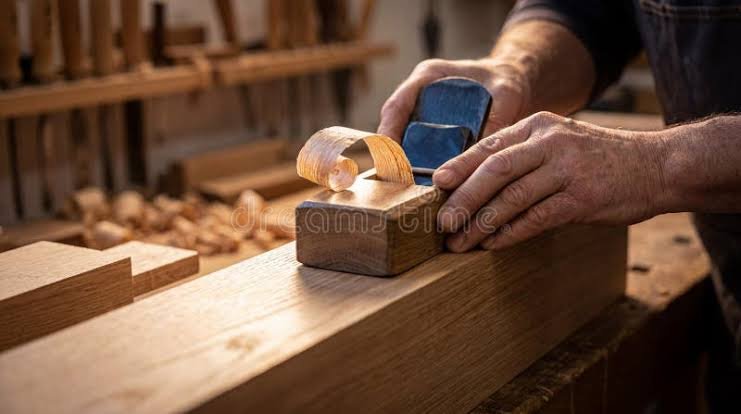
In our professional lives, we deal almost exclusively in the intangible. We send emails into the cloud, manipulate data on spreadsheets, and attend virtual meetings. At the end of a long workday, there is often no physical evidence that we accomplished anything at all. This lack of tangible output creates a subtle, lingering sense of dissatisfaction. This is why a resurgence of traditional, analog hobbies is sweeping through modern culture.
Engaging in tactile activities like woodworking, knitting, pottery, or film photography provides a profound psychological counterbalance to digital work. These hobbies require us to use our hands to manipulate physical matter in real space. There is no “undo” button in woodworking; if you cut a board too short, you have to adapt and problem-solve in real-time. This forces a level of deep, focused presence that screens actively discourage.
The slow, deliberate pace of analog hobbies is part of their magic. In a world where we expect instant results, the process of knitting a sweater or developing a roll in a darkroom demands immense patience. It teaches the brain to delay gratification. The reward is not a quick hit of dopamine from a social media “like,” but the deep, lasting satisfaction of creating something beautiful and enduring with your own two hands.
Furthermore, these hobbies offer a much-needed break for our overstimulated senses. The smell of freshly cut cedar, the texture of rough clay, or the mechanical click of a vintage camera shutter engages the physical senses in a highly grounding way. By carving out time for analog pursuits, we reconnect with the physical world and rediscover the simple, profound joy of making things just for the sake of making them.