


The word “frugal” often carries a negative connotation, conjuring images of extreme couponing, refusing to turn on the heat in winter, and a life devoid of joy. This is a severe misunderstanding of the concept. True frugality is not about depriving yourself; it is about highly intentional resource allocation. It is the conscious decision to stop wasting money on things that do not bring you joy, so you have abundant resources for the things that do.
The foundation of a frugal lifestyle is breaking the cycle of lifestyle creep—the tendency to increase spending every time your income rises. Modern marketing is designed to convince us that upgrading our cars, phones, and wardrobes is a necessary marker of success. The frugal individual sees through this illusion, recognizing that buying a slightly older, reliable car in cash provides far more peace of mind than a massive monthly payment on a luxury vehicle.
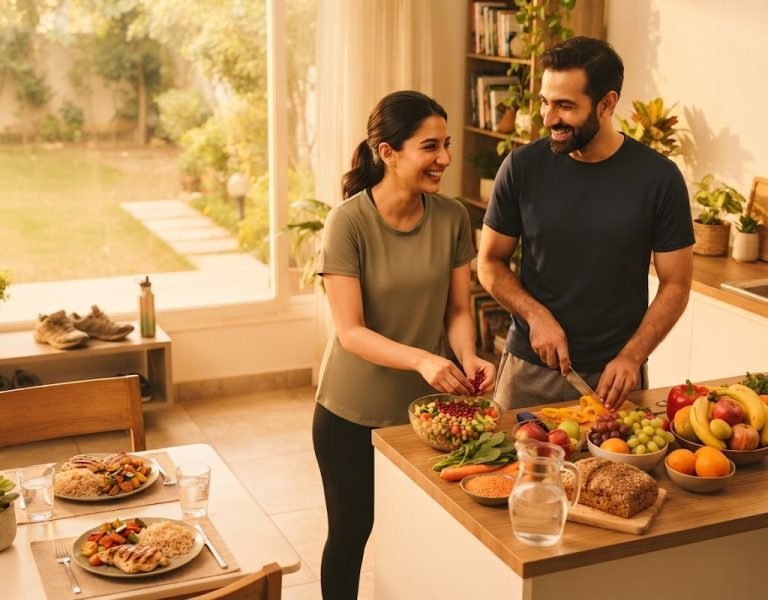
Food is often the easiest area to apply frugal principles with massive results. The modern habit of relying on food delivery apps and daily coffee shop runs drains wealth at an astonishing rate. By mastering the art of meal planning, buying staple ingredients in bulk, and learning to cook restaurant-quality meals at home, households can easily slash their monthly food budgets in half without sacrificing nutrition or taste.
The ultimate goal of frugality is not to amass a giant pile of unspent cash, but to purchase freedom. When your living expenses are low, you are no longer a hostage to a toxic job. You gain the financial flexibility to take a sabbatical, start a business, or transition to a lower-paying career that you actually love. Frugality transforms money from a source of constant stress into a powerful tool for designing your ideal life.