

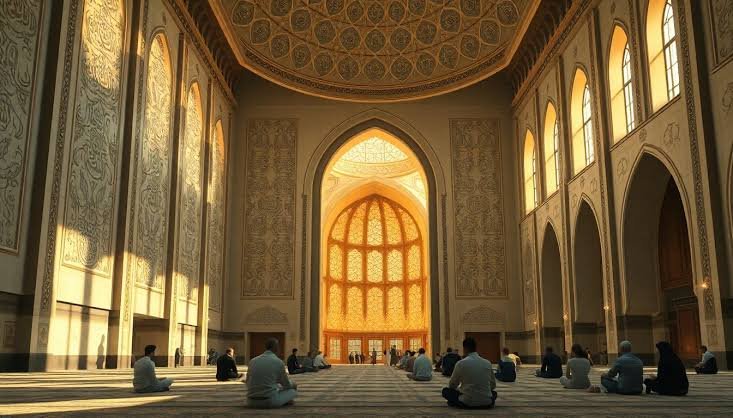
To view a mosque (Masjid) simply as a place to perform ritual prayers is to severely misunderstand its historical and contemporary function. Since the dawn of Islam, the mosque has served as the absolute epicenter of community life. While its primary purpose is indeed the facilitation of communal worship, modern mosques have evolved to meet the complex social, educational, and emotional needs of their congregations in a rapidly changing world.
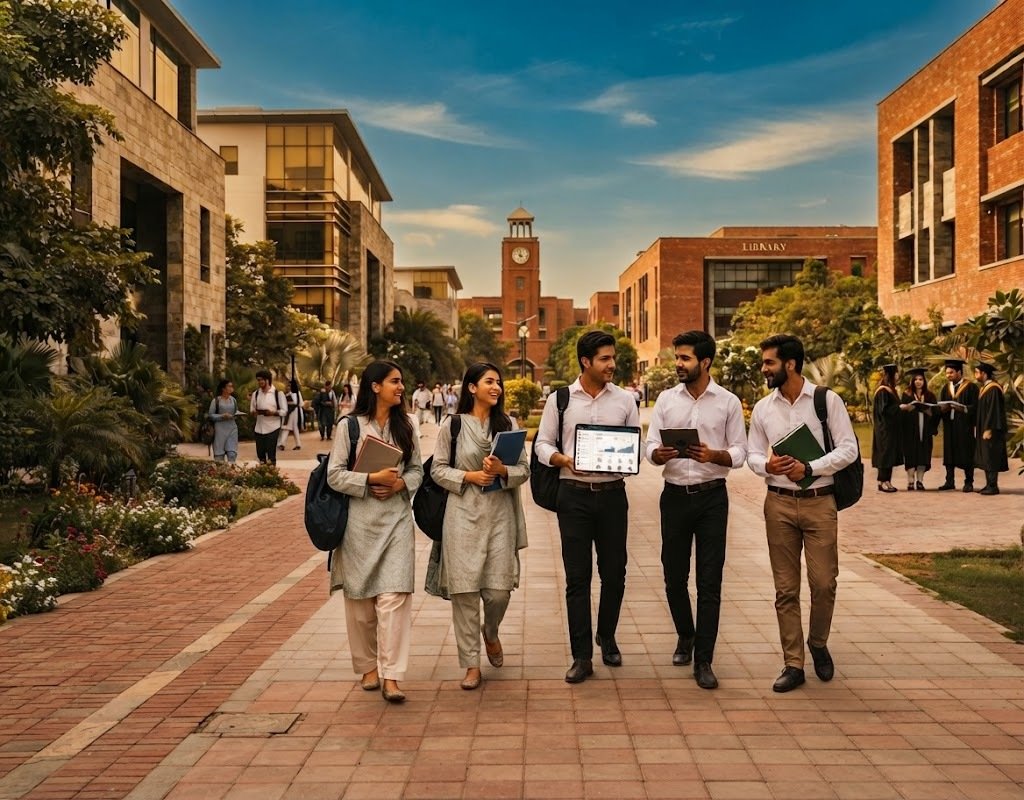
Education is one of the most vital functions of the modern mosque. Most facilities host extensive weekend schools for children to learn Arabic, Quranic recitation, and Islamic history. However, this educational mandate extends to adults as well. Mosques regularly host seminars on diverse topics ranging from Islamic finance and marital counseling to youth mental health and civic engagement, acting as a crucial center for continuous lifelong learning.
Furthermore, mosques operate as highly effective social welfare hubs. They are the primary collection and distribution points for Zakat (charity) and local food drives. During crises, such as natural disasters or economic downturns, mosques are often the first institutions to open their doors as emergency shelters or distribution centers for all community members, regardless of their faith background.
As Muslims navigate life in Western countries and globalized cities, the mosque provides a crucial sense of belonging and identity. It is a space where cultural traditions are preserved, friendships are forged, and professional networks are built. By offering safe youth programs, dedicated women’s spaces, and interfaith dialogue events, the modern mosque continues to adapt, proving itself to be an indispensable pillar of healthy community life.