

The term “reality television” has always been a brilliant misnomer. While it is true that these shows lack a traditional, pre-written script and utilize real people instead of trained actors, they are far from documentary footage. What audiences see on screen is a highly manufactured, meticulously constructed version of reality, engineered by brilliant producers and editors to maximize emotional conflict.
The construction of a reality show storyline begins long before the cameras even roll, starting with intensive psychological casting. Producers look for specific archetypes—the villain, the underdog, the instigator—and place them in high-stress, isolated environments designed to strip away their social filters. Depriving cast members of watches, internet access, and contact with the outside world accelerates emotional volatility rapidly.
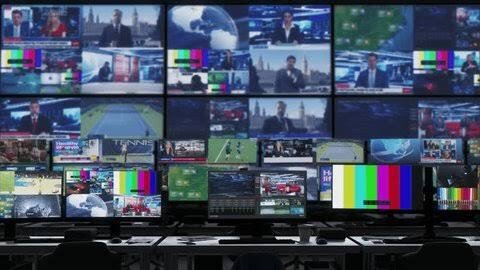
The real storytelling, however, takes place in the post-production editing bay. Editors sift through thousands of hours of footage to piece together a coherent, dramatic 45-minute episode. Through a controversial technique known as “frankenbiting,” editors can slice together individual words spoken by a contestant at entirely different times to create completely new sentences, inventing conflicts out of thin air.
The subtle use of music and sound design also acts as a powerful emotional guide for the audience. A simple dramatic string chord can frame a harmless glance as an act of calculated aggression, while a comedic sound effect can turn a minor mistake into a humiliating blunder. Reality television is a testament to the immense power of editing; it proves that with enough footage, you can write any story you want.