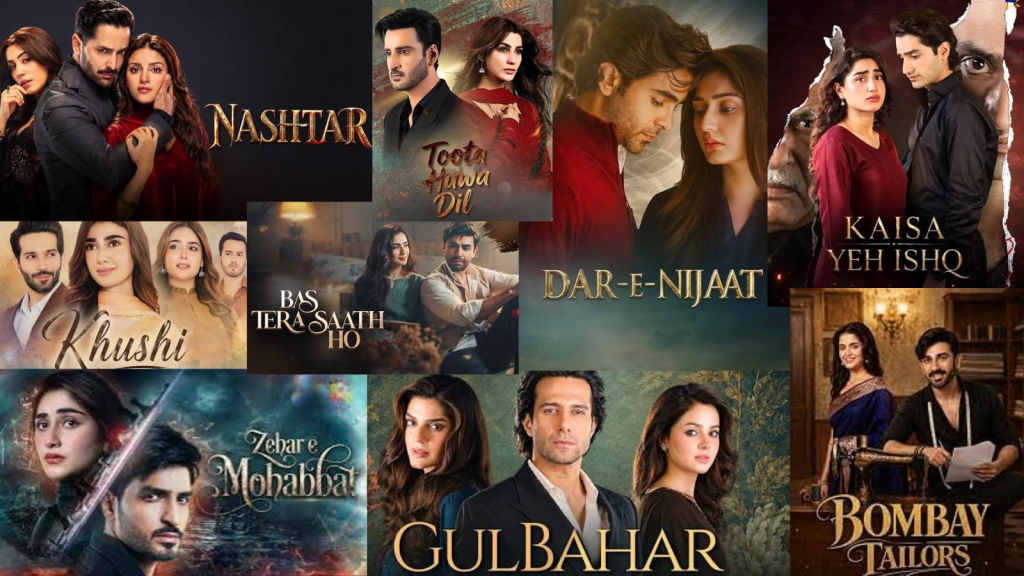


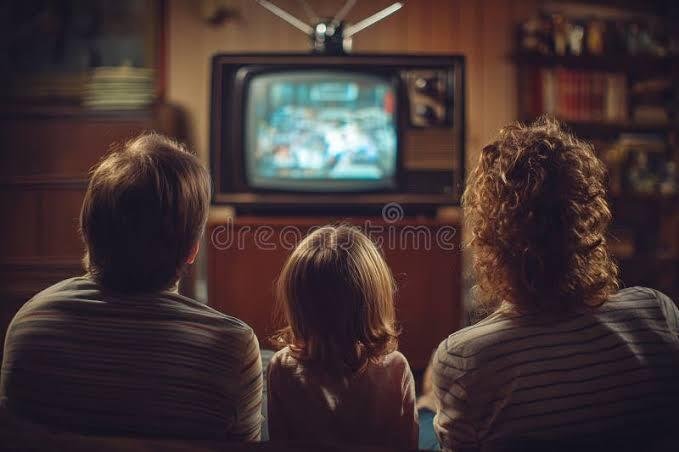
Turn on any major streaming platform or cable network today, and you will be instantly flooded with a wave of intense familiarity. Hit shows from the 80s, 90s, and early 2000s are being systematically systematically resurrected, remade, or given unexpected legacy sequels. While this ongoing wave of nostalgia offers a comforting security blanket for audiences, it raises serious questions about the industry’s willingness to invest in original concepts.
Nostalgia is an incredibly powerful psychological tool, and media executives know it. In a hyper-competitive streaming landscape where hundreds of new shows drop every month, cutting through the noise is incredibly difficult. A brand-new, original concept requires an expensive, uphill marketing campaign to convince audiences to tune in. A reboot of a beloved childhood classic, however, comes with a massive, pre-packaged fanbase ready to watch out of pure curiosity.
This reliance on intellectual property creates a safety loop that can stifle young, upcoming screenwriters. When development budgets are funneled exclusively into safe, recognizable franchises, fresh and avant-garde scripts are left gathering dust. The industry risks creating an echo chamber where the only stories worth telling are variations of stories that have already been told successfully decades prior.
While audience fatigue with reboots is frequently discussed, the ratings continue to show that nostalgia sells. Audiences living through stressful historical times naturally crave the comfort food of familiar characters and predictable plot structures. The challenge for the future of television will be finding a healthy balance: honoring the classics of the past without starving the masterworks of the future.