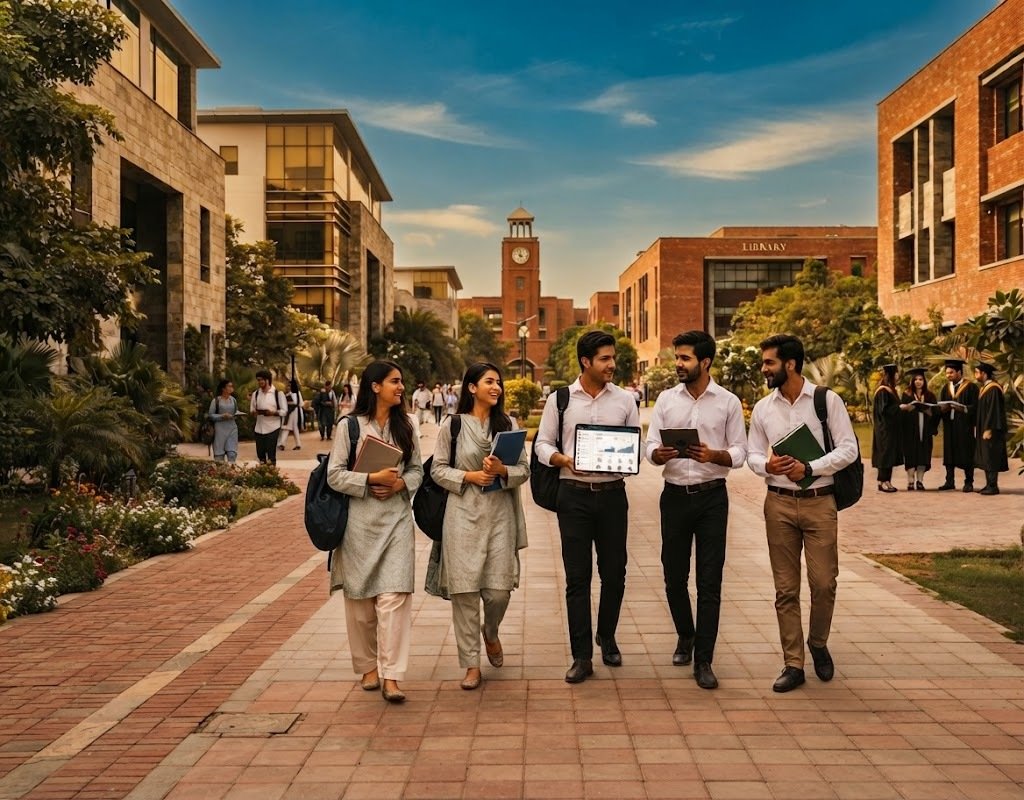



For generations, the educational trajectory was linear: you went to school, graduated in your early twenties, and then relied on that foundational knowledge for the entirety of your career. In today’s rapidly accelerating technological landscape, that model is entirely obsolete. The half-life of a learned skill is shrinking, making lifelong learning an economic necessity rather than a personal hobby.
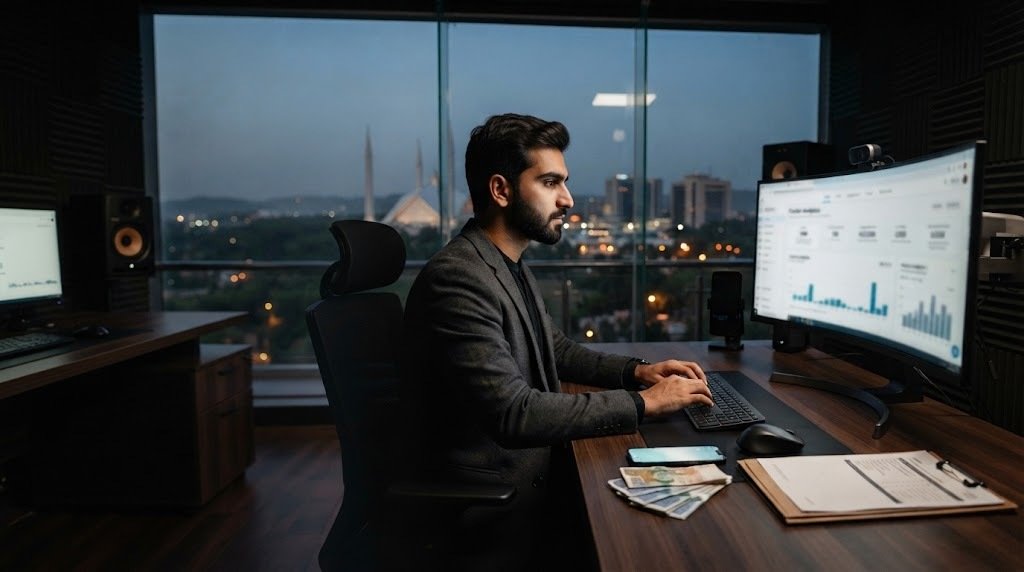
Professionals across all industries are finding that they must continuously upskill just to remain relevant in their current roles, let alone advance. This has given rise to the booming industry of micro-credentials, professional bootcamps, and on-demand video courses. Adults are returning to the virtual classroom to learn data analytics, digital marketing, and artificial intelligence integration on their nights and weekends.
Corporate cultures are also adapting to this reality. Forward-thinking companies are no longer just looking for candidates with pristine college degrees; they are looking for candidates who demonstrate high learning agility. Many employers now offer generous educational stipends, encouraging their workforce to pursue continuous education as a way to keep the company competitive.
The beauty of the digital age is that high-quality education is more accessible than ever. Whether through massive open online courses (MOOCs) or specialized industry certifications, the barriers to acquiring new knowledge have vanished. The most successful professionals of the future will be those who view graduation not as a finish line, but as the starting point of a lifelong educational journey.