

For the past two decades, educational institutions have heavily prioritized STEM (Science, Technology, Engineering, and Mathematics) to prepare students for the modern workforce. While this focus has successfully produced highly capable technicians and engineers, industry leaders began noticing a gap: a lack of creative problem-solving. Enter STEAM, an educational framework that proudly adds an “A” for the Arts.
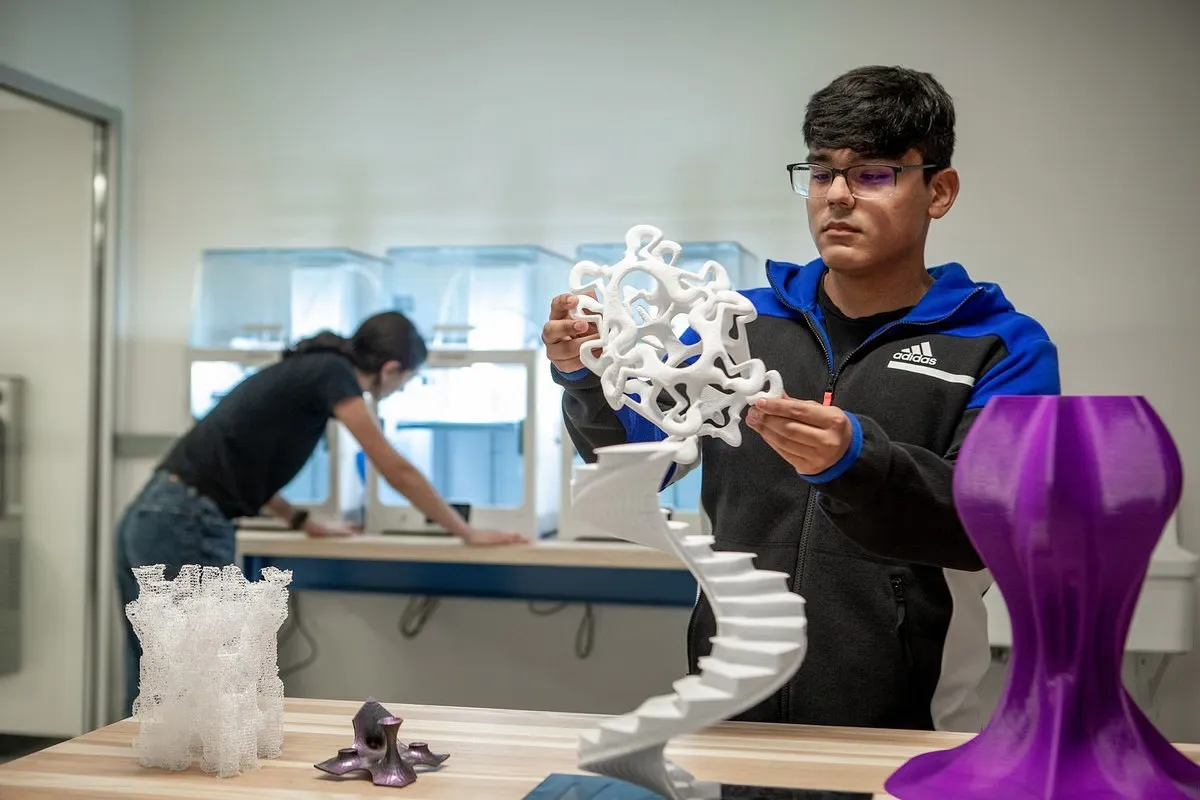
Integrating the arts into technical subjects is not about forcing engineering students to paint landscapes; it’s about incorporating design thinking, creativity, and human-centric approaches into technical solutions. An engineer can build a structurally sound bridge, but it takes an artistic mindset to ensure that bridge integrates beautifully and functionally into the surrounding community.
This multidisciplinary approach mimics the reality of the modern workplace. The world’s most successful tech companies do not just rely on coders; they rely on UX/UI designers, storytellers, and visual artists to make their software intuitive and appealing. By blending these disciplines in the classroom, students learn that logic and creativity are not mutually exclusive, but rather complementary forces.
Ultimately, shifting from STEM to STEAM prepares students to be true innovators rather than just executors. It teaches them to ask not only “Can we build it?” but also “Should we build it, and how will it make people feel?” This holistic education model is essential for navigating the complex, multifaceted challenges of the 21st century.